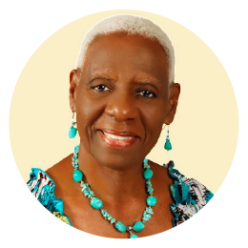
WHY THE HANNAS ARE LIFELONG MEMBERS OF ST. AGNES ANGLICAN CHURCH
© 2023 Rosemary Clarice Hanna
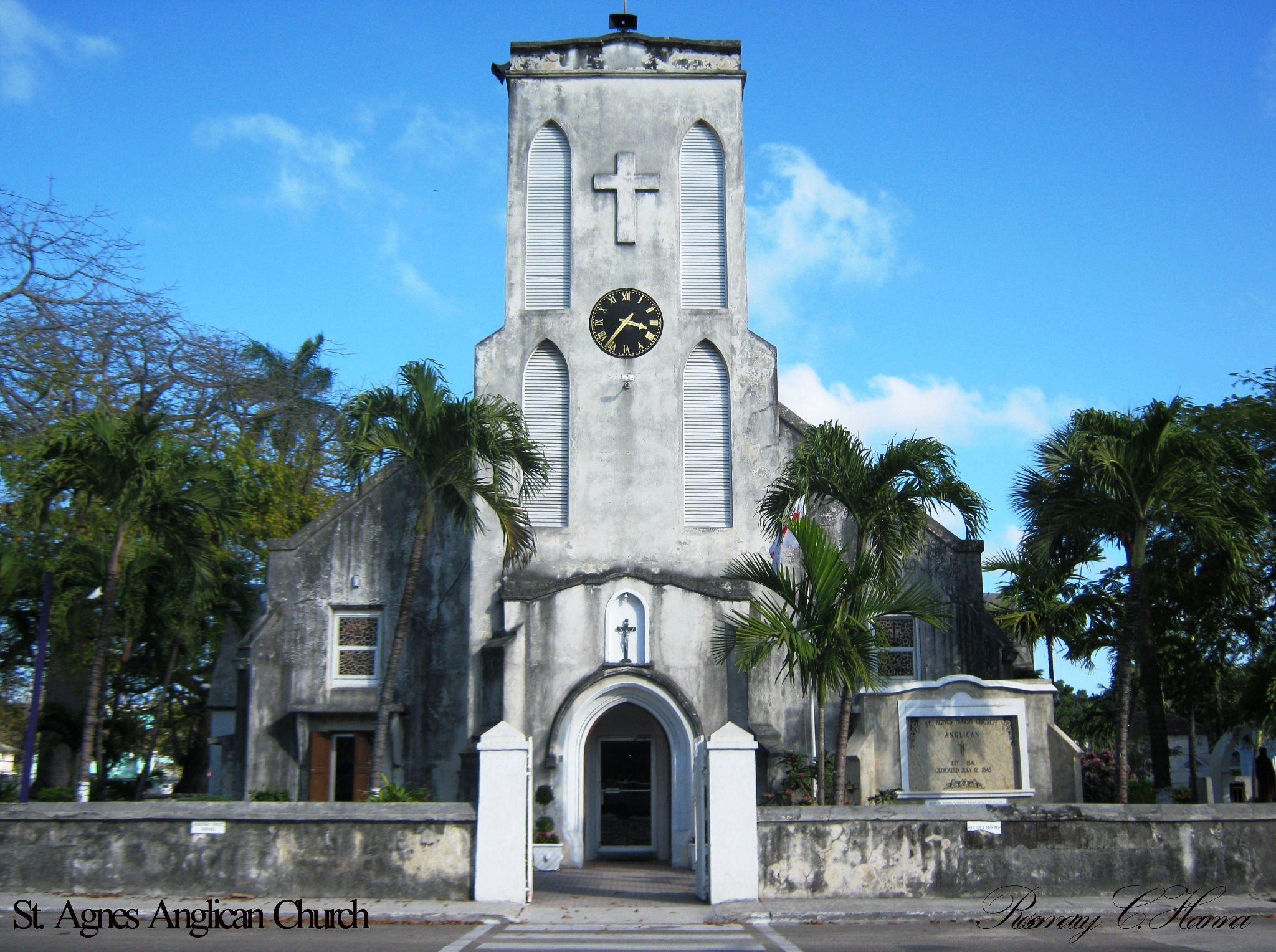
I love St. Agnes Church which is deeply embedded in my heart. Why has the family been faithful member of this Church dating back to the early 1920s? The simple answer is that we had no choice! My parents, Percival James Hanna and Leona Aurelia Butler, were married here on 4th November 1925 and, during the 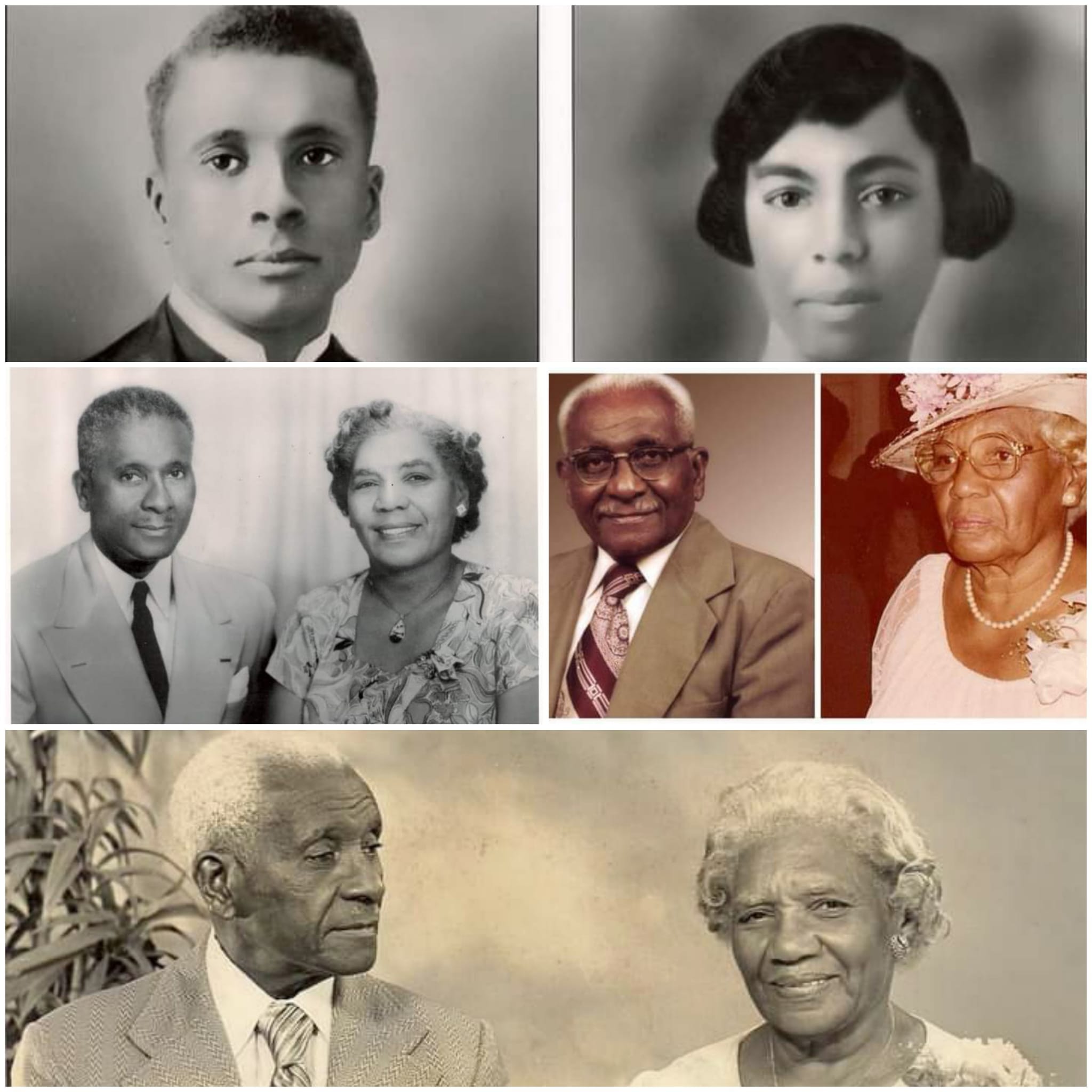 course of their 59 year marriage they produced five sons and two daughters namely: James, Allan, Ivan (deceased), Percival (decades), Paul (deceased) me and Andree. Thro0ughtout the years Mother and Daddy were involved with whatever was going on in the Church and they made sure that we will attended regularly. I will take you through an abbreviated 75 year journey of our participation in the life at St. Agnes.
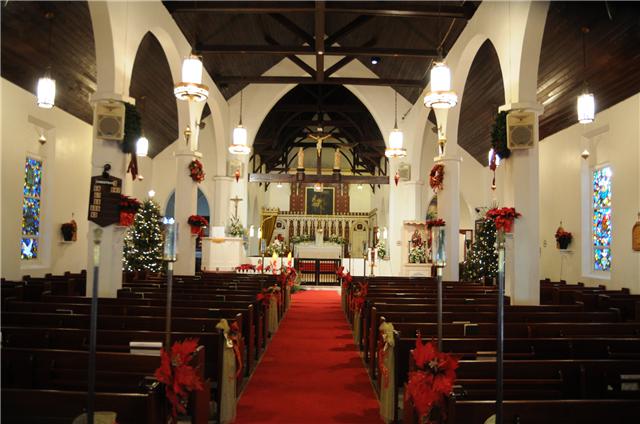
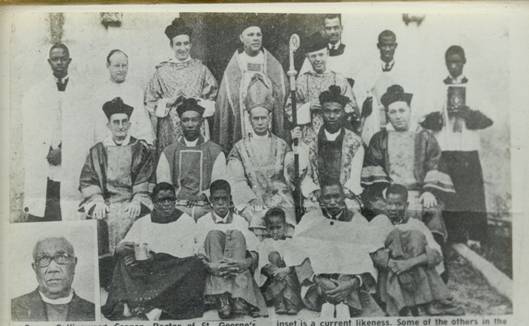
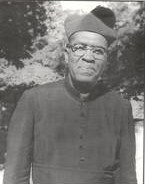
As children, we were all involved in many activities, and attended church three times on Sunday, beginning with 9 am Sunday School in the Schoolroom and then marching quietly in two along Cockburn Street to attend Mass here at the Church at 10:30 am. Then there was Sunday School again at 4 pm here at the Church led by the Rector himself, Canon Milton Cooper. Church was usually full and there was no mingling of boys and girls, with the boys sitting on the south side of the nave and girls on the north. Back then funerals led by lodges and marching bands, were held on Sundays and whenever a funeral was approaching Fr. Cooper w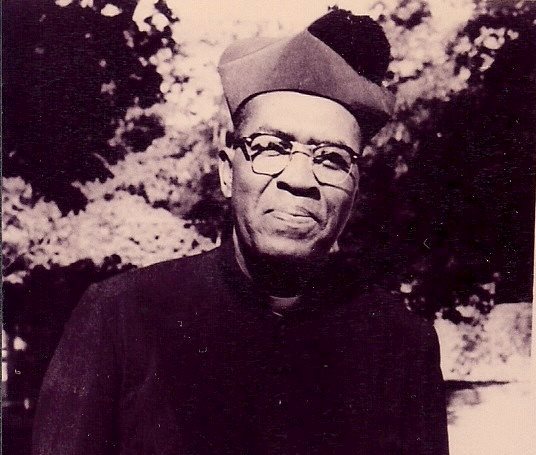 ould have the western door closed so that we would not be distracted. Church continued at 7 pm when we all returned with our parents for Evensong and Benediction which was a delight for me and many others, because we loved to hear Fr. Cooper’s beautiful and melodious voice, especially when he sang the “Divine Praises” during Benediction. The custom of separating males and females during services continued for a long time and to top it off, men went up for communion first followed by the ladies. I don’t remember when that was discontinued, but I was happy when it was stopped.
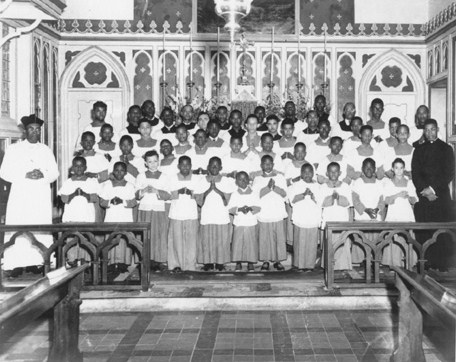
Some of you may not be aware that we had a Junior Choir during the fifties that was led by none other than Mr. Timothy Gibson – the composer of the National Anthem of The Bahamas – who was also the Headmaster of Western Junior School at the time. My sister-in-law Dolores, Fay Gibson (Callender), Freddie Turnquest (McCartney) and Shirley Sawyer (Cunningham) were among the members of that choir. They sat in the front pews on the north side in front of the pulpit. As a child I wondered why Mr. Gibson conducted the choir with a little white stick which I later learnt was a baton. The Senior Choir also sat in the same area, and the Hammond organ was in the spot where the piano is now located.
Childhood activities at St. Agnes included the annual picnic when we travelled by boat to Hog Island (later renamed Paradise Island) and, in addition to the beach we also enjoyed rambling through the bushes and catching soldier crabs. We also had a Girls Guild that was led by Sister Thecla Mary who was the last English nun to serve at St. Agnes. One of our church members is named after her but prefers to use her middle name. We also had the Boys Brigade led by Mr. Alleyne from Ross Corner who was from Barbados.
Another wonderful childhood memory that I have was spending Saturday afternoons here with my Godmother Gwennie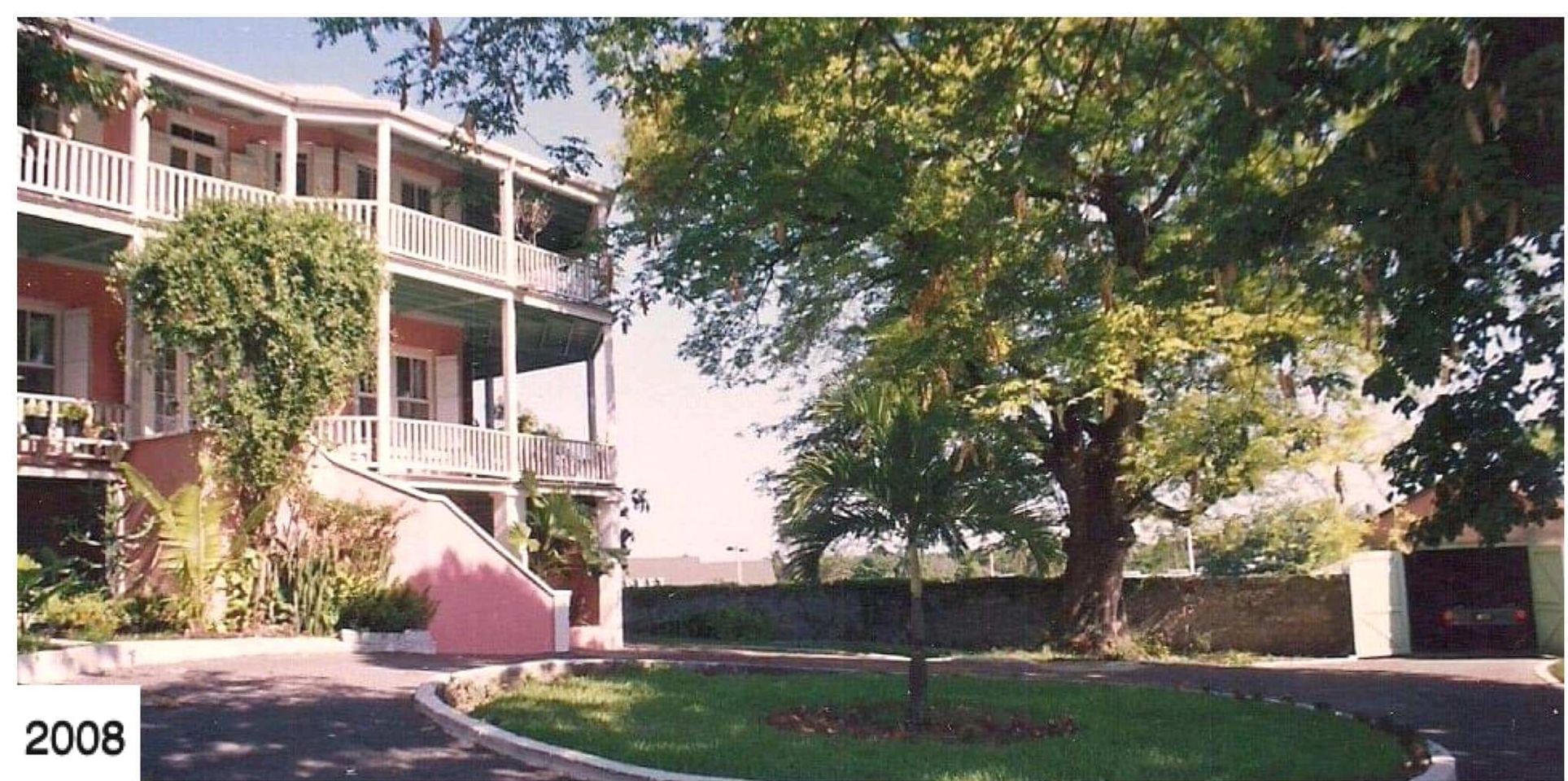 Cooper (wife of the Rector Canon Cooper) and my good friend Jackie Williams Smith cleaning the brass vases, making floral arrangements and dressing the Altar. Jackie’s mother Mrs. Nellie Williams took care of the Altar linens. In those days the flowers came from the members’ gardens and Goddie had a most beautiful one in the large circle at the front of the Rectory at the top of Market Street which, most unfortunately, has been replaced by a parking lot. Easter time was special with Altar being decorated with Queen Anne’s Lace and Larkspur flowers all from the Rectory garden. That is where I met D’Yanza and Doyle Burrows as they used to come down to help their aunt Gwennie in the garden. Doyle still keeps a beautiful garden.
Long before TV our main form of entertainment included the regular programmes and plays held at the Schoolroom. Back then we also put on plays which were usually produced by the late great Basil Saunders who studied drama in the UK. Basil produced and directed a particular play in which the lovebirds Andy Gomez and then Louise Johnson 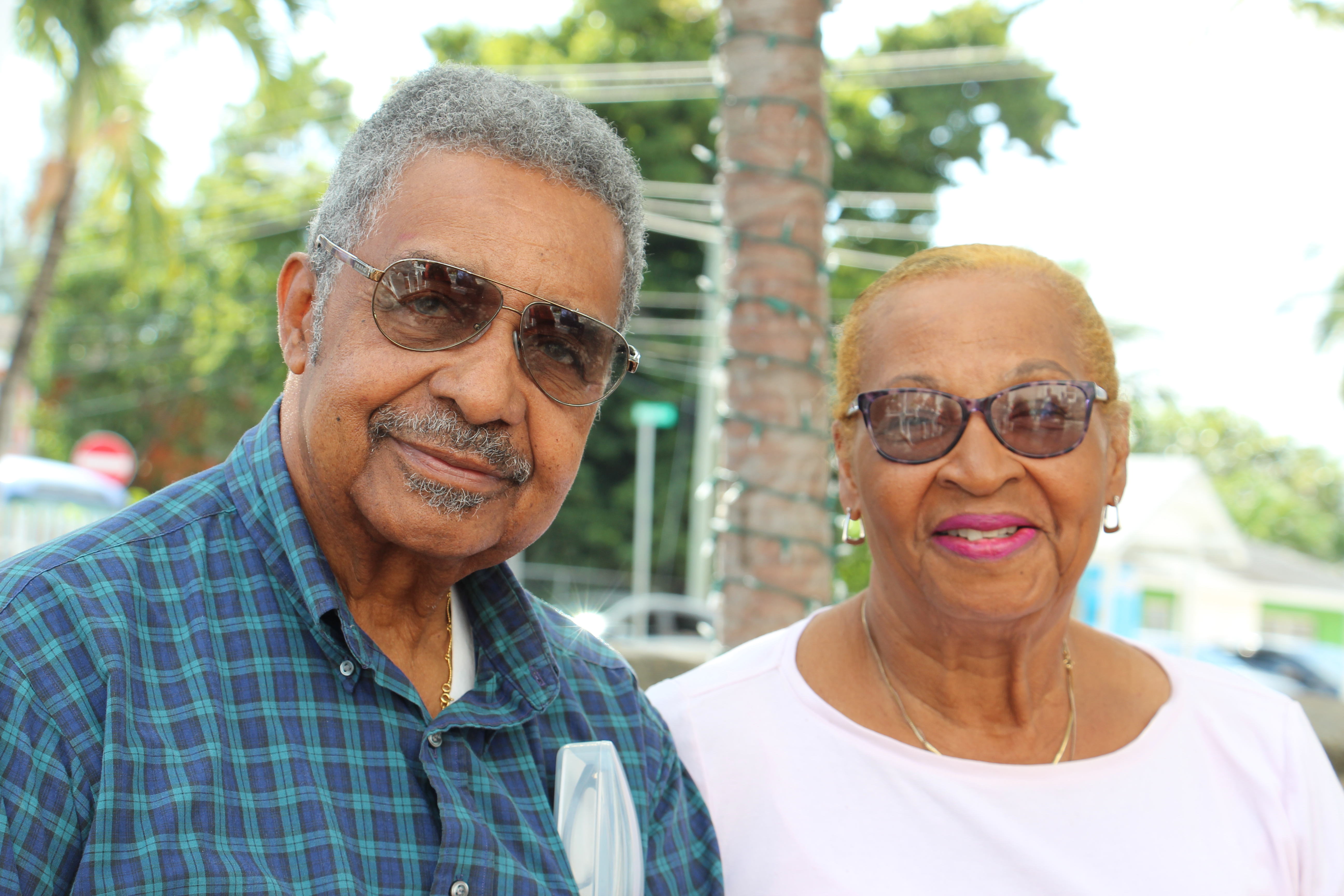 had a roman
 tic scene. And there was astonishment and a lot of giggling amongst us 12-14 year olds when Andy planted real a real kiss and not a quick peck on Louise’s lips. And here they are still inseparable after 63 years of marriage, six children and eight grandchildren.
As young adults we had the Anglican Young People’s Association (A.Y.P.A.) which was sell supported and we interacted with young people from other parishes for joint activities, including debating against each other on current affairs and serious topics. Livingstone Bostwick and I represented St. Agnes in these debates and Archdeacon Thompson was our coach. Life was taken seriously back then and, as young people, we stayed abreast of what was going on around us.
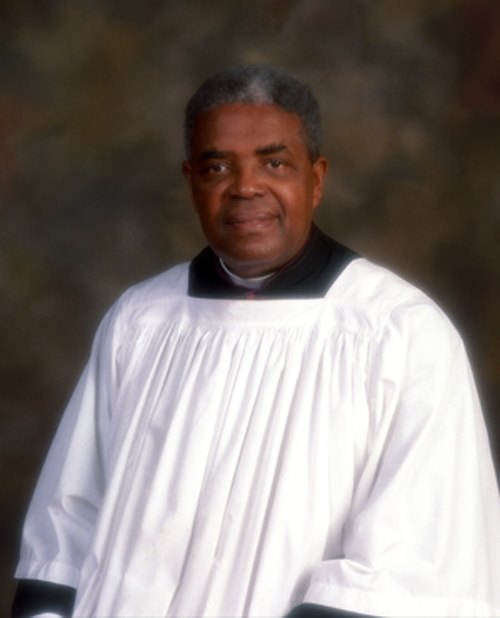
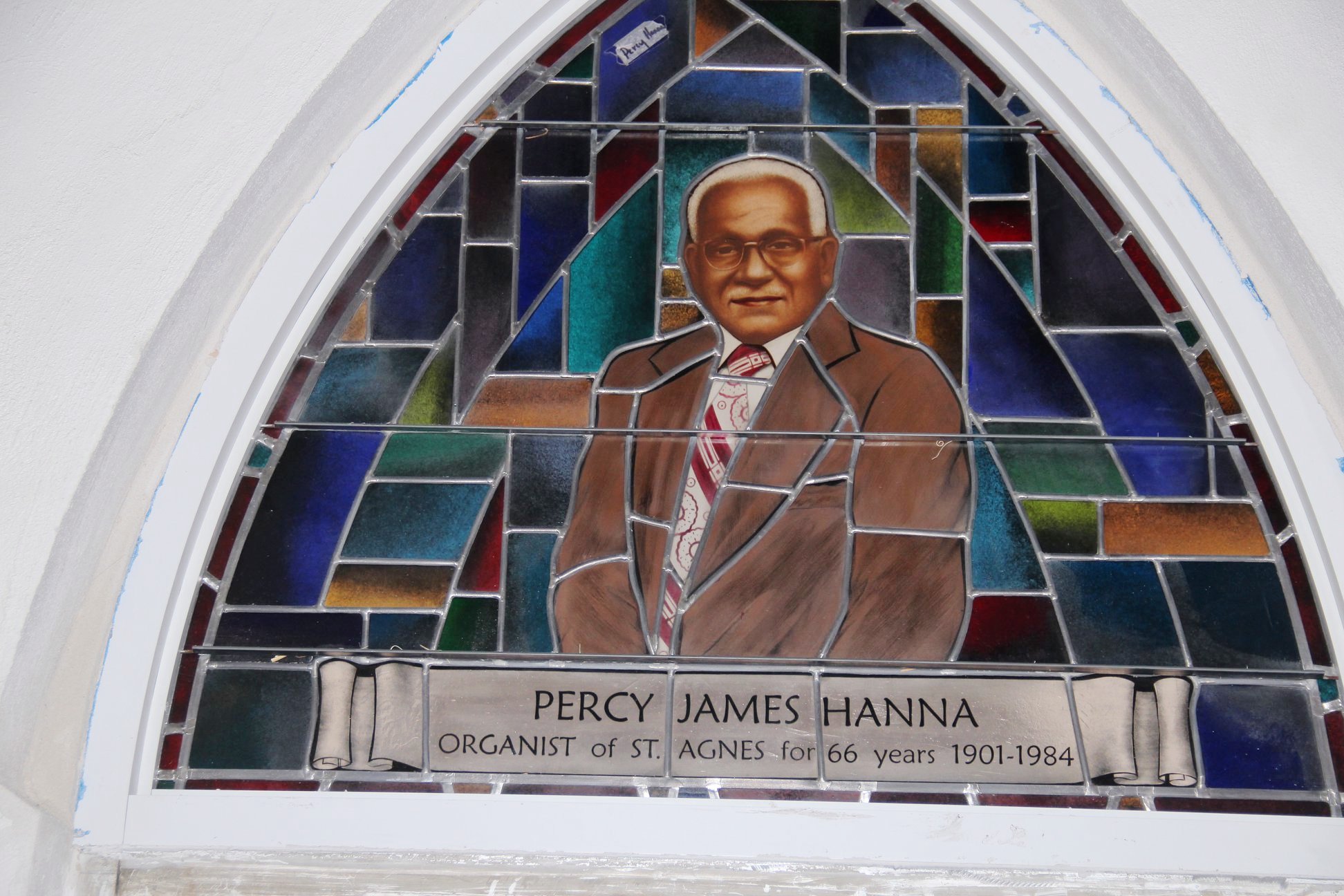 As many of you are aware Daddy served as Organist here for approximately 60 years and he was ably assisted by my brother Ivan who also served for 57 years including the time he assisted Daddy. Portraits of both of them are up in the choir loft and Daddy’s image is in the stained glass window over the southern door. He was a stickler for being on time and was always present at church at least a half hour before services and played beautiful soft and soothing classical music for a congregation that listened quietly and appreciated it. Daddy was also a member of the Vestry during most of my childhood, and a founding member of the Anglican Church Men organization. He served as secretary for both groups for many years.
Ivan was a superb all round musician. As an organist he was known for his beautiful and melodious hymn interludes and the skill and smooth manner in which he modulated from one key to the next without jumping into another key as is so prevalent among some musicians today. He was also a great singer and, for many years, he led the St. Agnes Marching Band while blowing his trumpet. Ivan was a devout Christian and I remember his daughter Gina saying that whenever the family went on vacation they had to find their way to a church on Sundays.
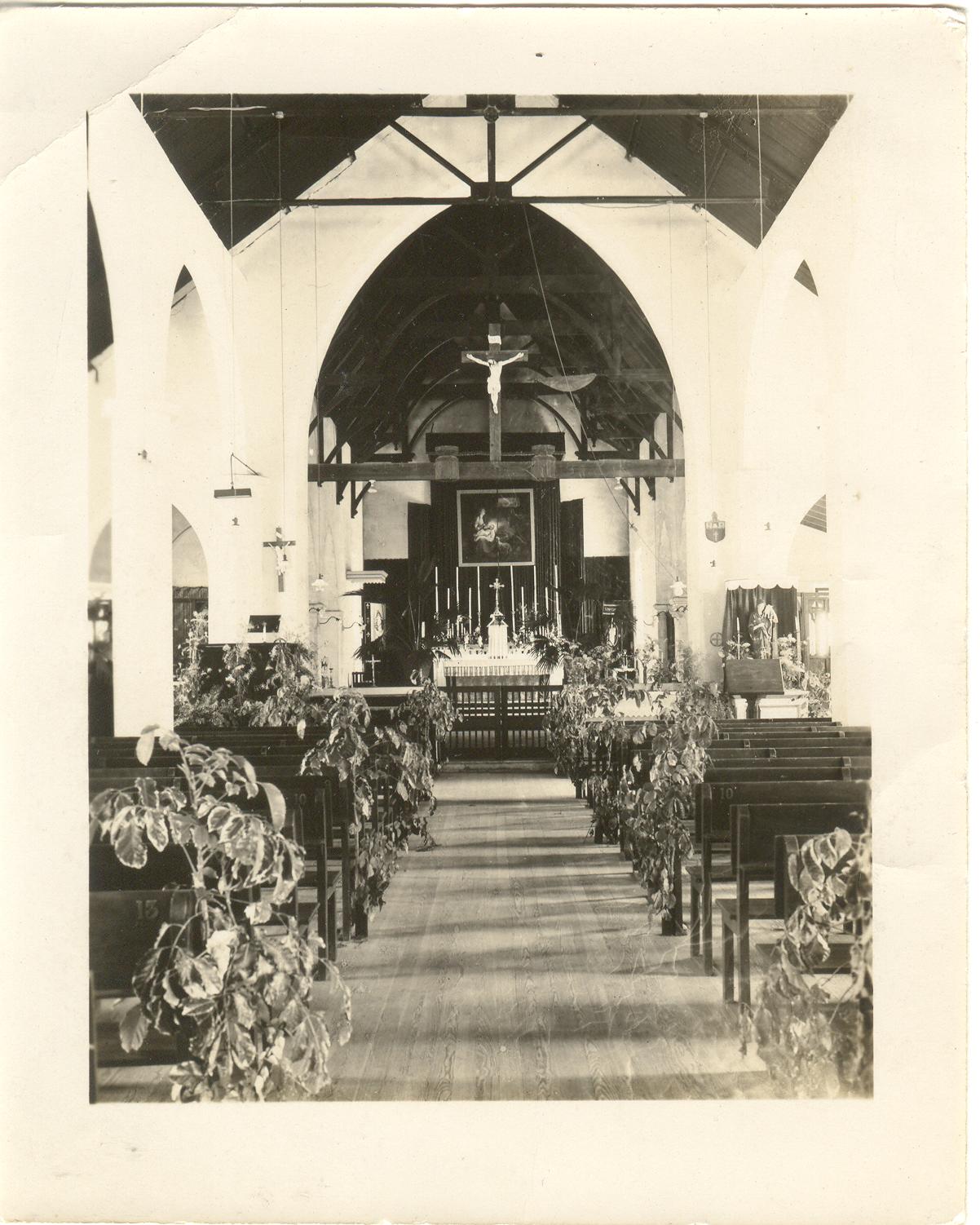
Very few can remember when the Church had a wooden floor and a separate wooden bell tower which was located near the sitting area in the southwest area of the garden. Daddy designed the new bell tower and choir loft and my brother Paul was the engineer on the project. Before the loft and new pipe organ were constructed and installed Ivan invited me to assist him with the choir which I did happily up to the time of his death in 1999 and continued for a total of 20 years. His daughter Gina now conducts the choir and my sister Andree still sings in the alto section.
Long before the Anglican Church Women organization was established by Bishop Bernard Markham there was the St. Agnes Volunteer Group which included Mother, Mrs. Culmer, Mrs. Johnson, Mrs. Gay, Mrs. Bostwick, Mrs. Hepburn, Mrs. Tinker, Mrs. Ferguson, Mrs. Gomez and others. They held events to raise funds for the church. Upon the establishment of the ACW, Mother was elected as the first president and she also served on the ACW Council.
Aside from home, St. Agnes has always been an anchor, not only for the Hanna family but most of our neighbours including the Wilkinsons, Culmers, Johnsons, McDonalds, Gays, Gibsons, Minnises, Bostwicks, Adderleys, Gomezes, Coakleys and others, Despite the fact that most of us have from Over-The-Hill we still come back from all over the Island to worship at this place on Sundays and for other special occasions. When my daughter and I moved to the then wilderness of what is now Seabreeze Lane in 1974, we worshipped at Holy Cross Parish and she was confirmed there. However, St. Agnes kept pulling at my heart and Archdeacon Thompson was happy to welcome s back a few years later.
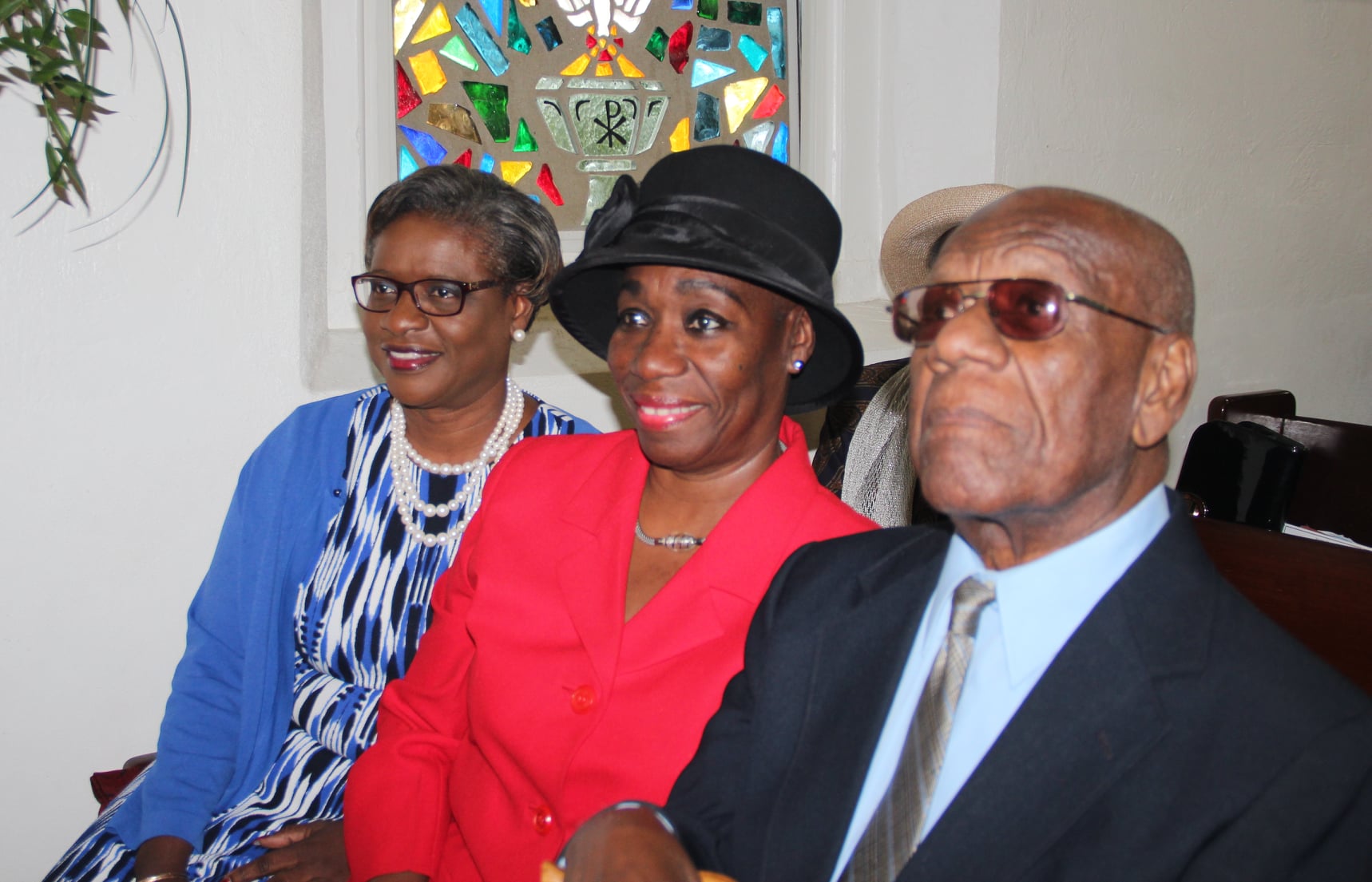 To demonstrate how deep the Hanna commitment to St. Agnes is, my now 95 year old brother Allan married a St. Mary’s woman Marinetta Rolle in May 1952 and he never left St. Agnes. By the same token Marrie, as we called her, never left her precious St. Mary’s. However, their children were brought up in St. Agnes. For years after his retirement, Allan delivered soup to the poor and shut in members of the parish. Before the pandemic he never missed a Sunday 7 am Mass and sat on the southern side of the nave with his daughters Constance and Garnell (who also served as President of the ACW). I followed in Allan’s footsteps after retirement by going out with my partner Patricia Johnson to deliver soup to people who lived between Blue Hill Road and Collins Wall. It was through this activity that I saw firsthand how much the area had changed. It was sad to see how our mostly elderly people were living. This led to my taking pictures of the old homes that still stood; writing a book and producing a documentary film about Over-The-Hill. It was because of St. Agnes that I was able to document the significant role that many of our members and others played in the development of the nation. The documentary can be viewed on YouTube.
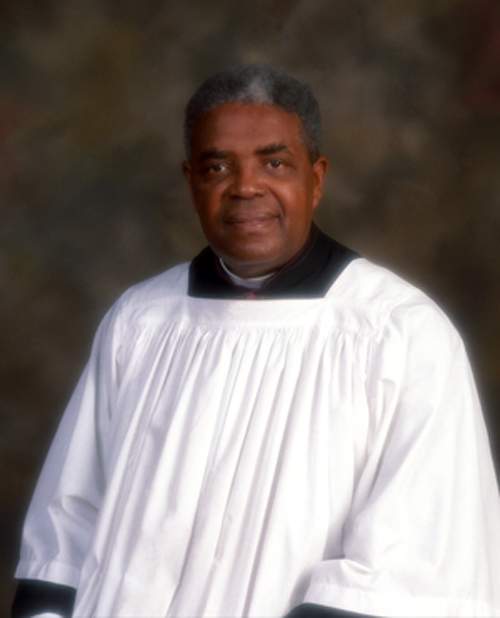
Speaking about photography, I was inspired by my late brother Perce. Somehow I have morphed into being the “official” church photographer and I noticed that the real photographer, David Knowles, stopped bringing his camera to church. Through photography at church I have gained many new little friends especially among the acolytes including some of whom are pictured here. Another one, Daniel, recently asked me if he could have copies of all of the photos that I took of him and, when walking away said: “Every last 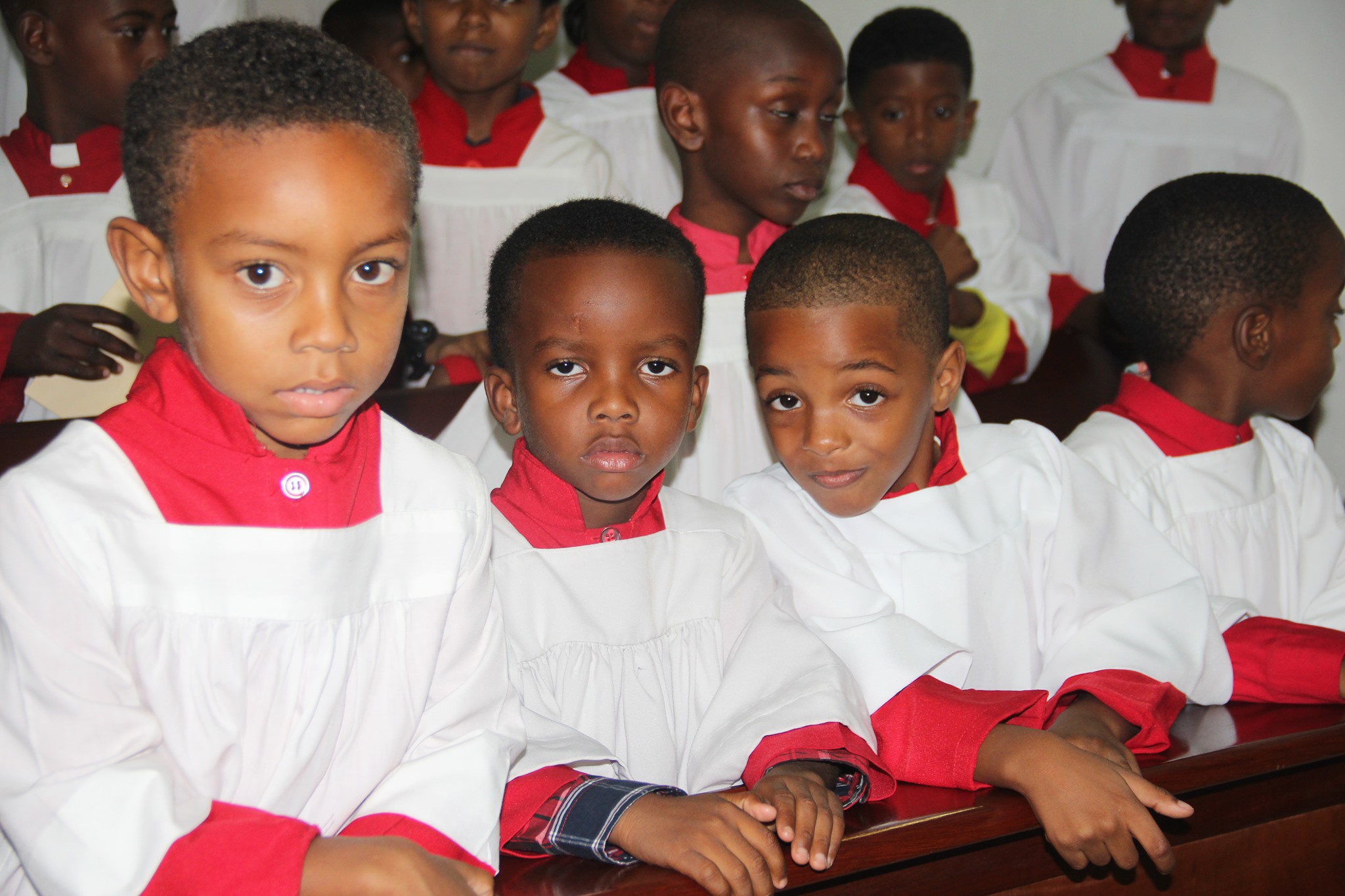 one.” I’m working on it Daniel.
St. Agnes remains a wonderful oasis and beacon of hope in the Grant’s Town community – from the uplifting worship, the cheerfulness of the kitchen workers who feed the acolytes every Sunday, and 400+ people from the community every week, and the ever so beautiful gardens of St. Agnes, lovingly cared for by Michaella Strachan, Esnel Frael and team. I encourage those of you who have not been here for a while to come back come and become a part of a church which ministers in a most profound way to the soul and body.
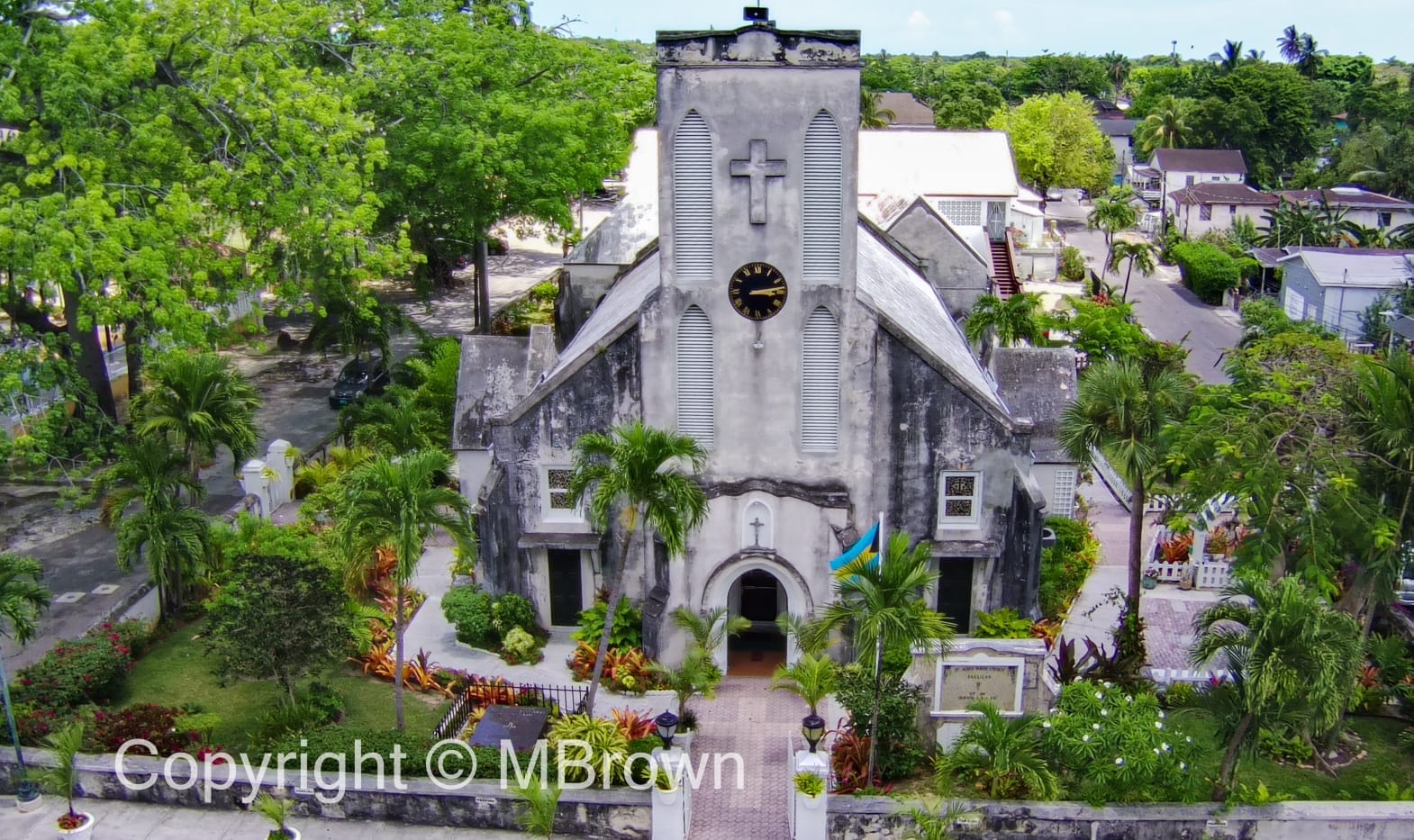
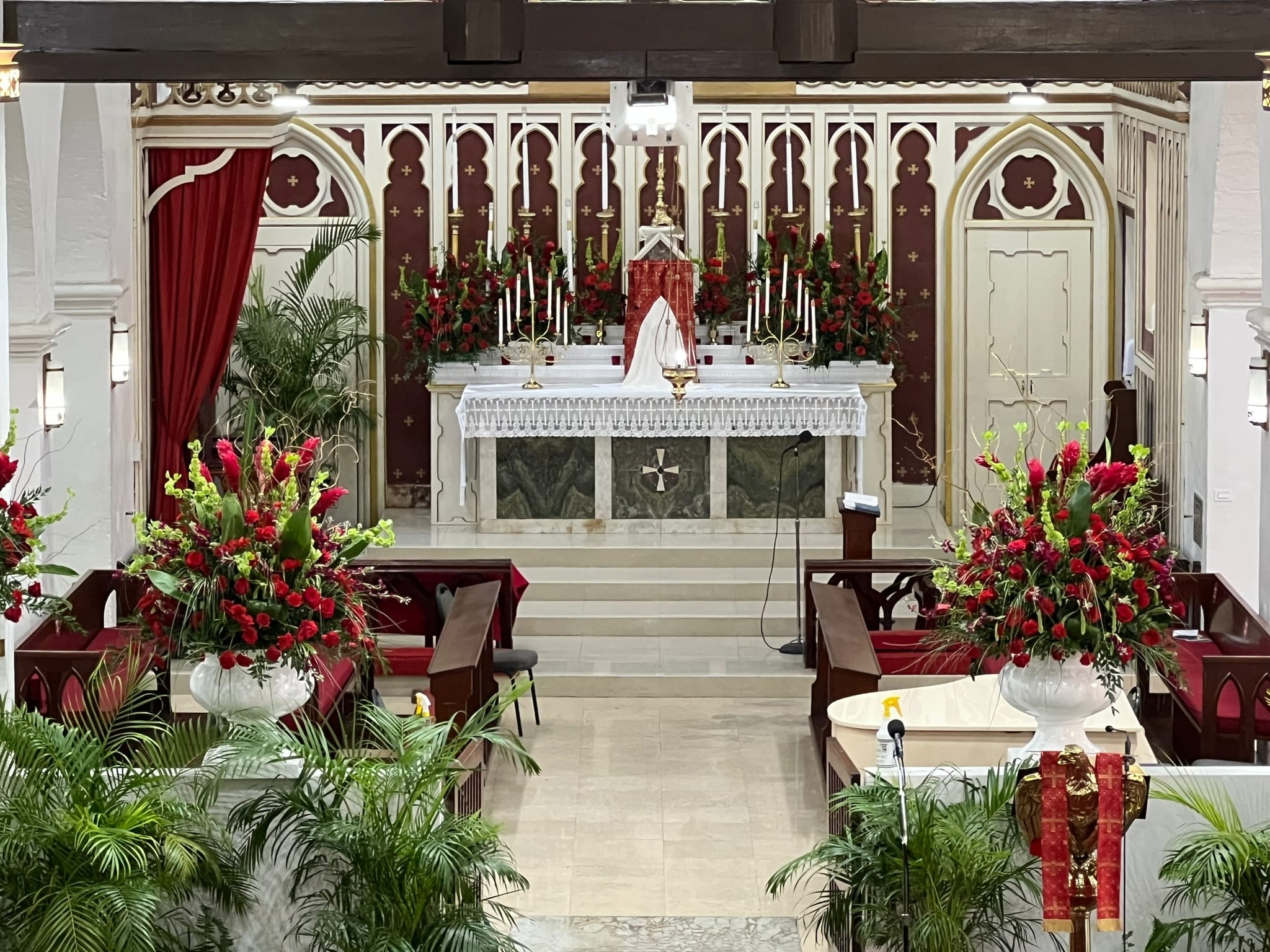
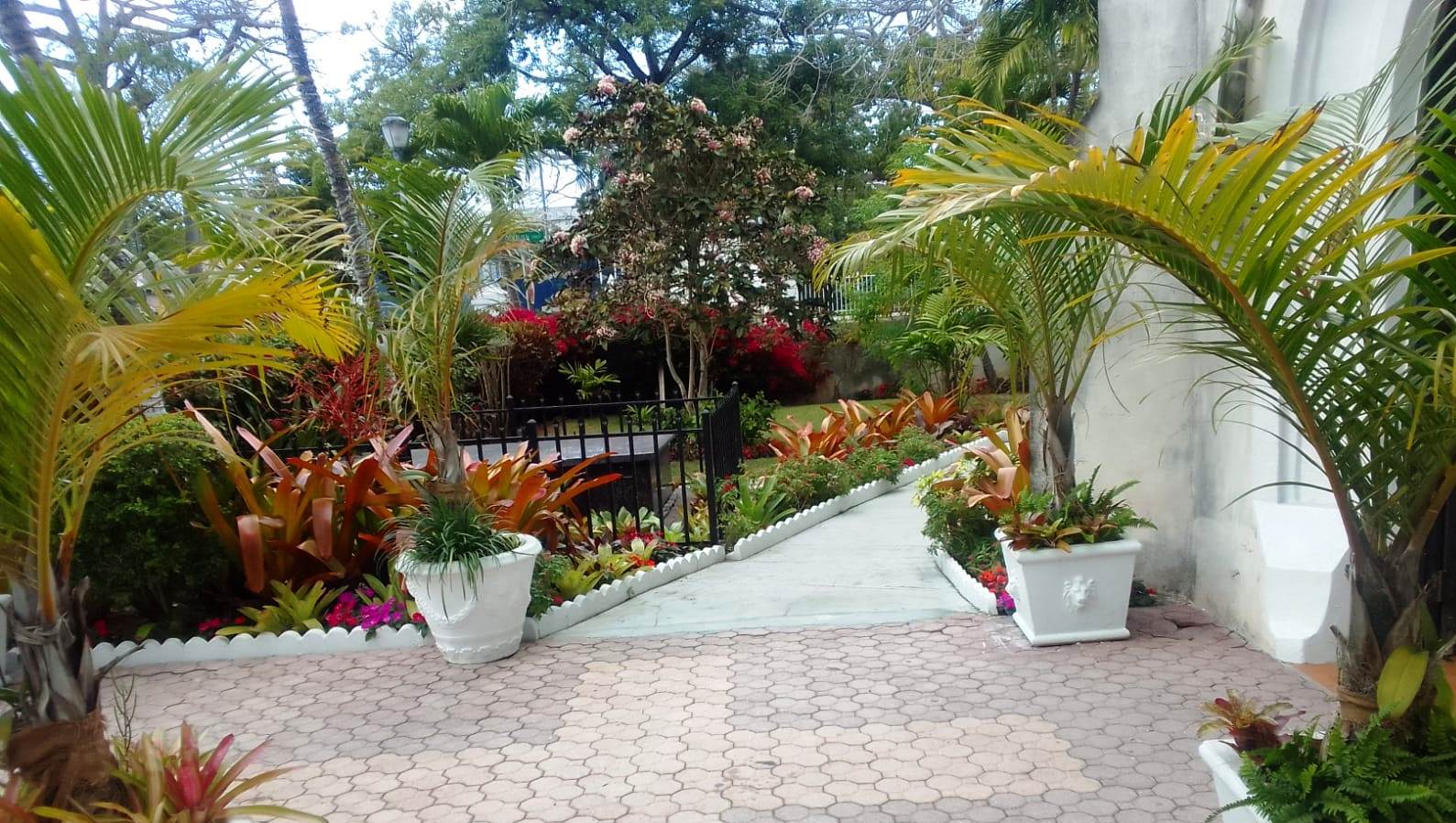
In closing, I want to say to Archdeacon Cartwright, that you brought much joy and happiness when you came back home as Rector of this great church. We all know how you love raising the rafters and making a joyful noise unto the Lord, especially at the podium at the end of services. However, I must say that neither you nor anyone else (including our beloved Archbishop Gomez) can hold a candle 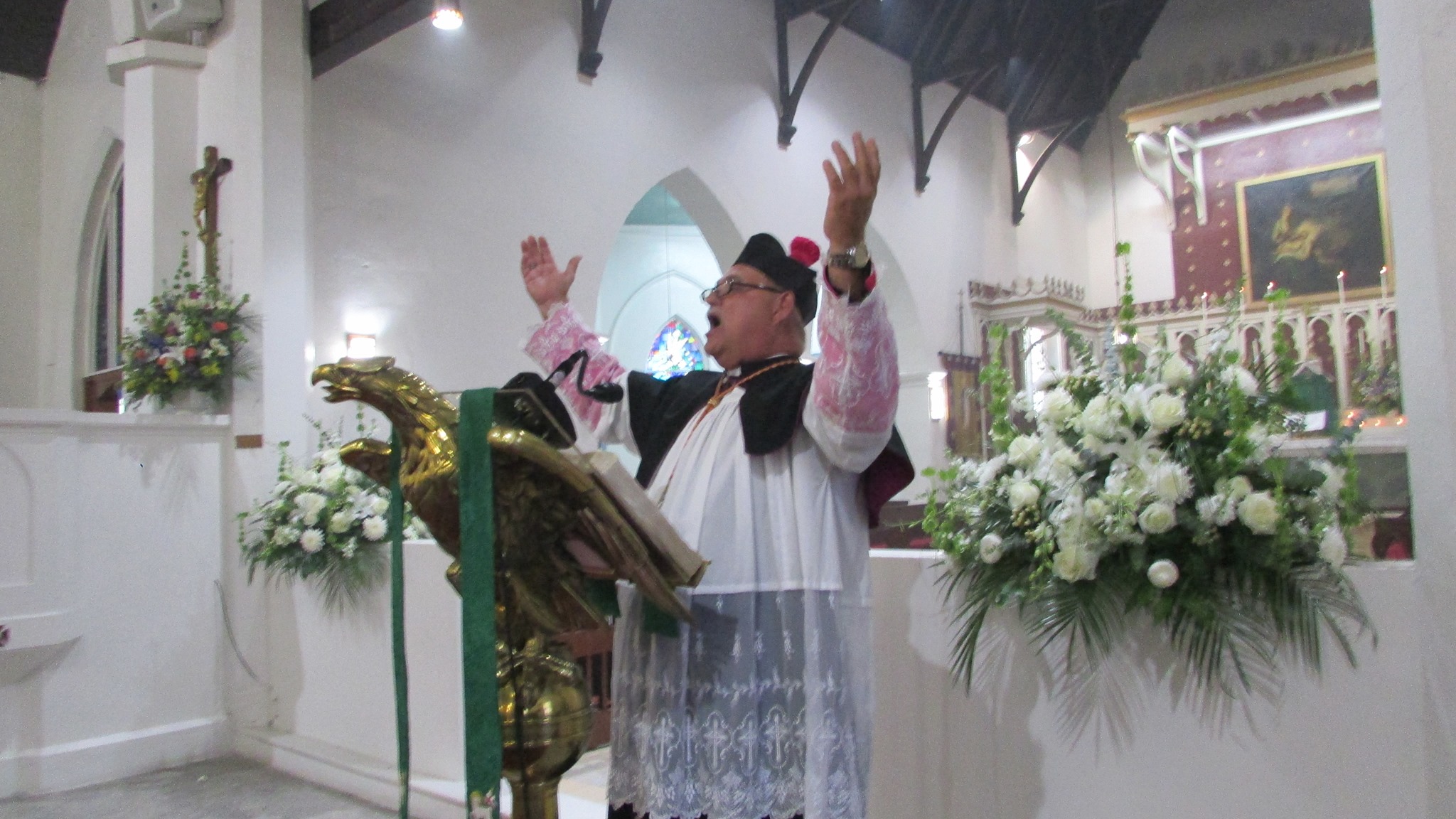 to Canon Milton Cooper when it comes to singing. Nevertheless, I’m going to sing my thanks via this Andrae Crouch song “My Tribute”, and Archdeacon, you are cordially invited to come up, raise the rafters and lead the congregation in the chorus.
How can I say thanks
For the things You have done for me?
Things so undeserved
Yet You gave to prove Your love for me
The voices of a million angels
Could not express my gratitude
All that I am and ever hope to be
I owe it all to Thee
To God be the glory
To God be the glory
To God be the glory
For the things He has done
With His blood He has saved me
With His power He has raised me
To God be the glory
For the things He has done
Just let me live my life
Let it pleasing, Lord to Thee
And if I gain any praise
Let it go to Calvary (Calvary)
Oh, with His blood (His blood) He has saved me (He has saved me)
With His power (His power) He has raised me (He has raised me)
To God (to God) be the glory (glory)
For the things He has done