
Blue Hill Road, Grant’s Town, New Providence, The Bahamas
By Jackson L. Burnside III (1949-2011)
 If only walls could talk the historic church of St. Agnes Parish of Grants Town would tell a fascinating story of the Bahamians who settled in the Over The Hill area of Nassau in the Bahamas.
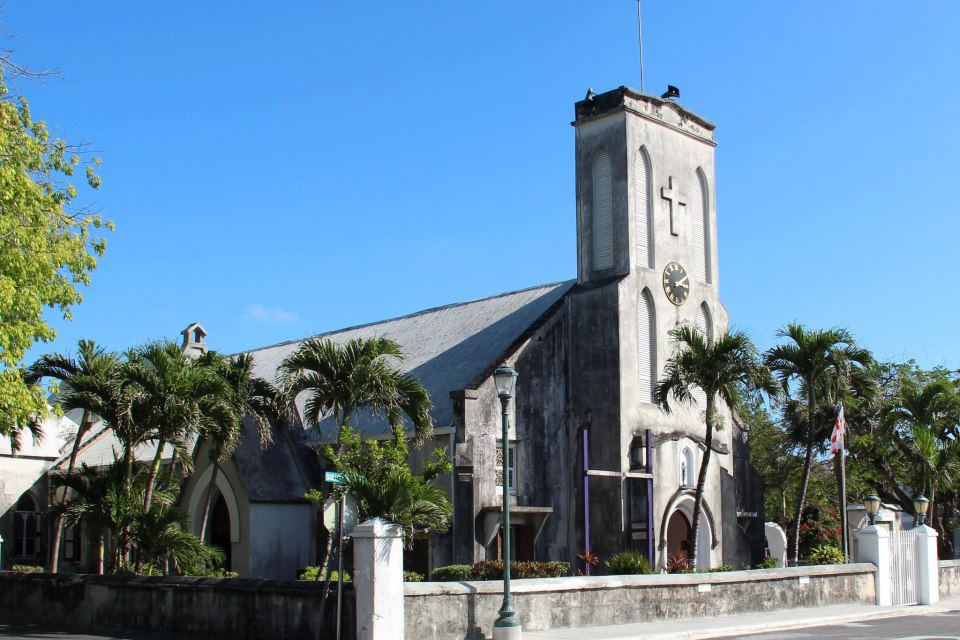
The Architecture of the modern St. Agnes Church, Grant’s Town, is a classic example of the 19th century Gothic Revival that emerged, in England and throughout the colonies, with the then new technologies of steel and reinforced concrete. Though the St. Agnes worship space is not as ornate and finely detailed as the Christ Church cathedral, St. Matthew’s, or St. Mary’s churches, this “cathedral over the hill” is a proud adaptation and modification of the classical themes of Gothic Architecture of the European continent.
Grant’s Town itself emerged as an African settlement on land considered of “no value” just behind the ridge that separated the city of Nassau from the rest of the island of New Providence. This segregation was deliberate, because by the mid-1800s the African population, which swelled with the coming of the Loyalists, overtook the European population and the colonial power felt it necessary to separate the African presence from the town.
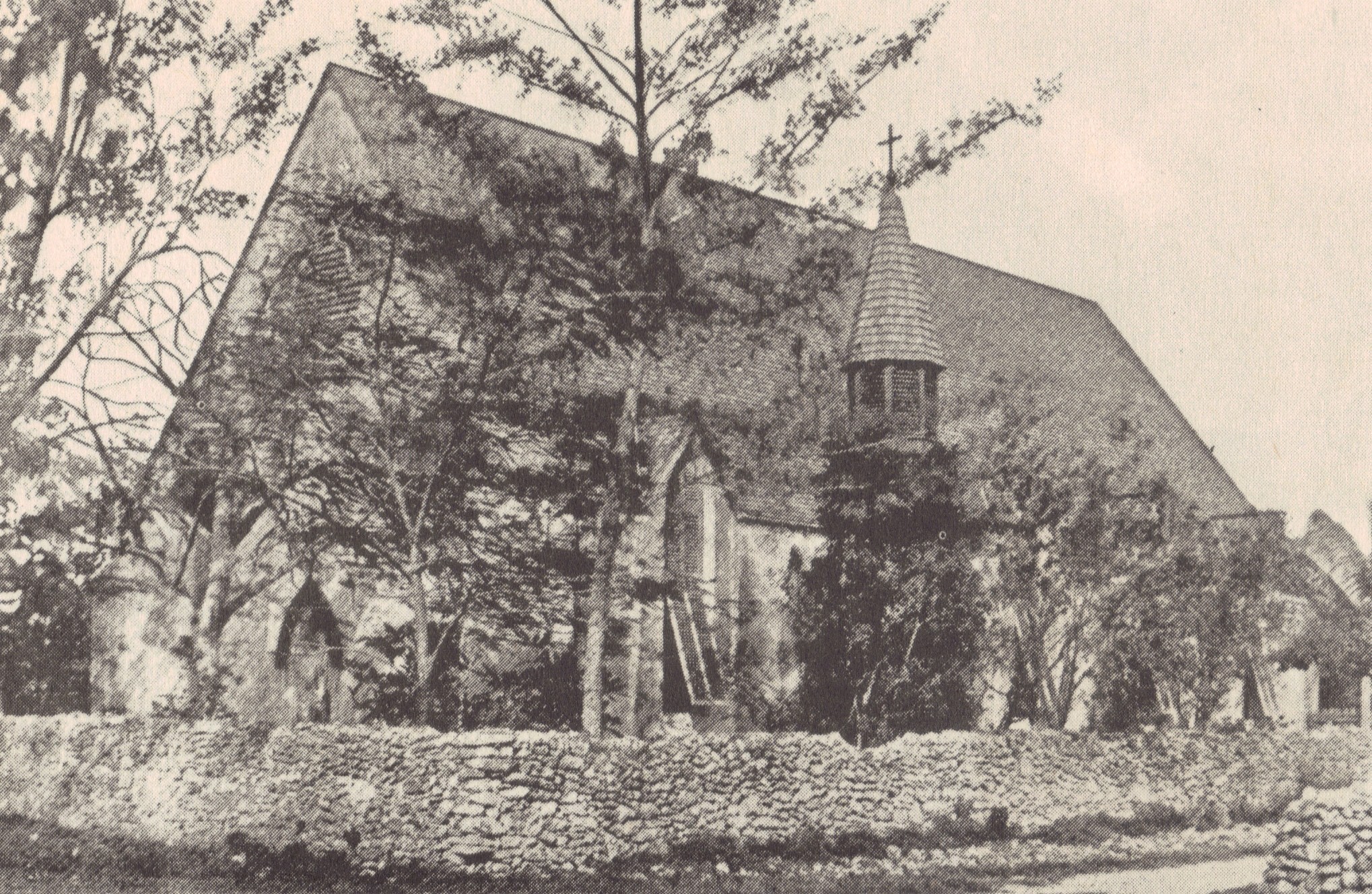 With this physical separation also came separation of worship, and the churches of the Nassau community became established in Grant’s Town. The Baptists came first followed by Wesley Methodist, and then when the Anglican Church could no longer tolerate separate services at the cathedral for the Europeans and the Africans, St. Agnes was established over-the-hill. In 1845 during a visit by Bishop Aubrey Spence, “an old African school room which had been used for divine worship was consecrated under the title of St. Agnes”. Three years later in 1848 Bishop Spence returned and consecrated the new District Church of St Agnes a day after a similar service was held at St. Mary’s Church.
Under the leadership of Father James H. Fisher, a new structure built of limestone masonry was erected with a steep, “high pitched roof covered with corrugated zinc”, large enough to accommodate four to five hundred worshippers. Bishop Addington Venables consecrated St. Agnes on July 12th, 1868. By 1901 the congregation of St. Agnes had outgrown the existing structure, and a new Chancel was called for by Archdeacon Churton. The corner stone ceremony for the new Chancel and Our Lady’s Chapel followed on June 6 1905, and was conducted by the then Bishop Henry Norris Churton.
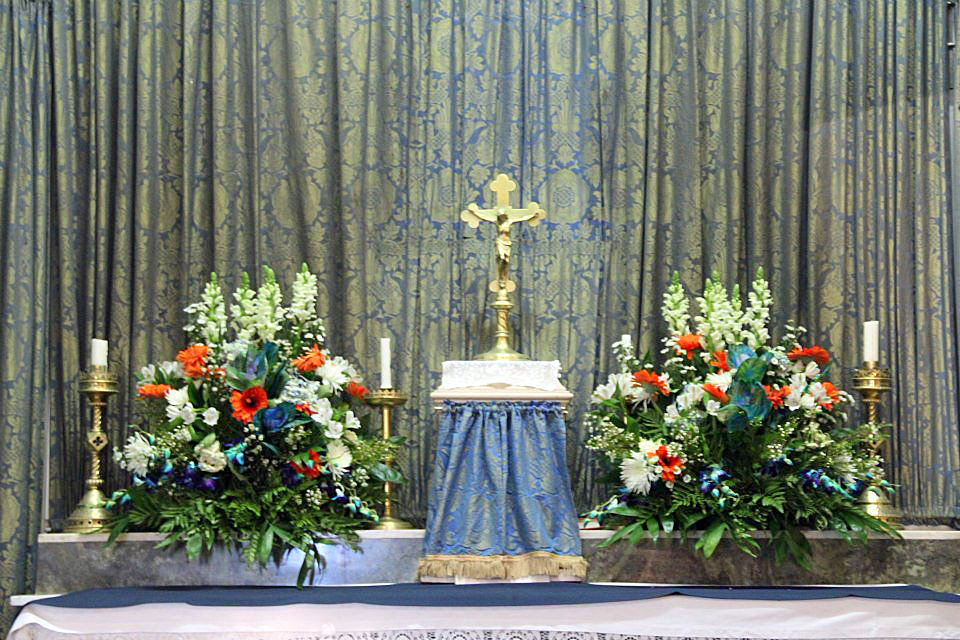 The following year, on St. Agnes Day, January 21st 1906, the intricately decorated chancel, new Altar and our Lady’s chapel were dedicated along with a new vestry. This addition was dedicated by Bishop Wilfred Bird Hornby as a memorial to Bishop Henry Norris Churton who drowned off Ragged Island on January 20th 1904.
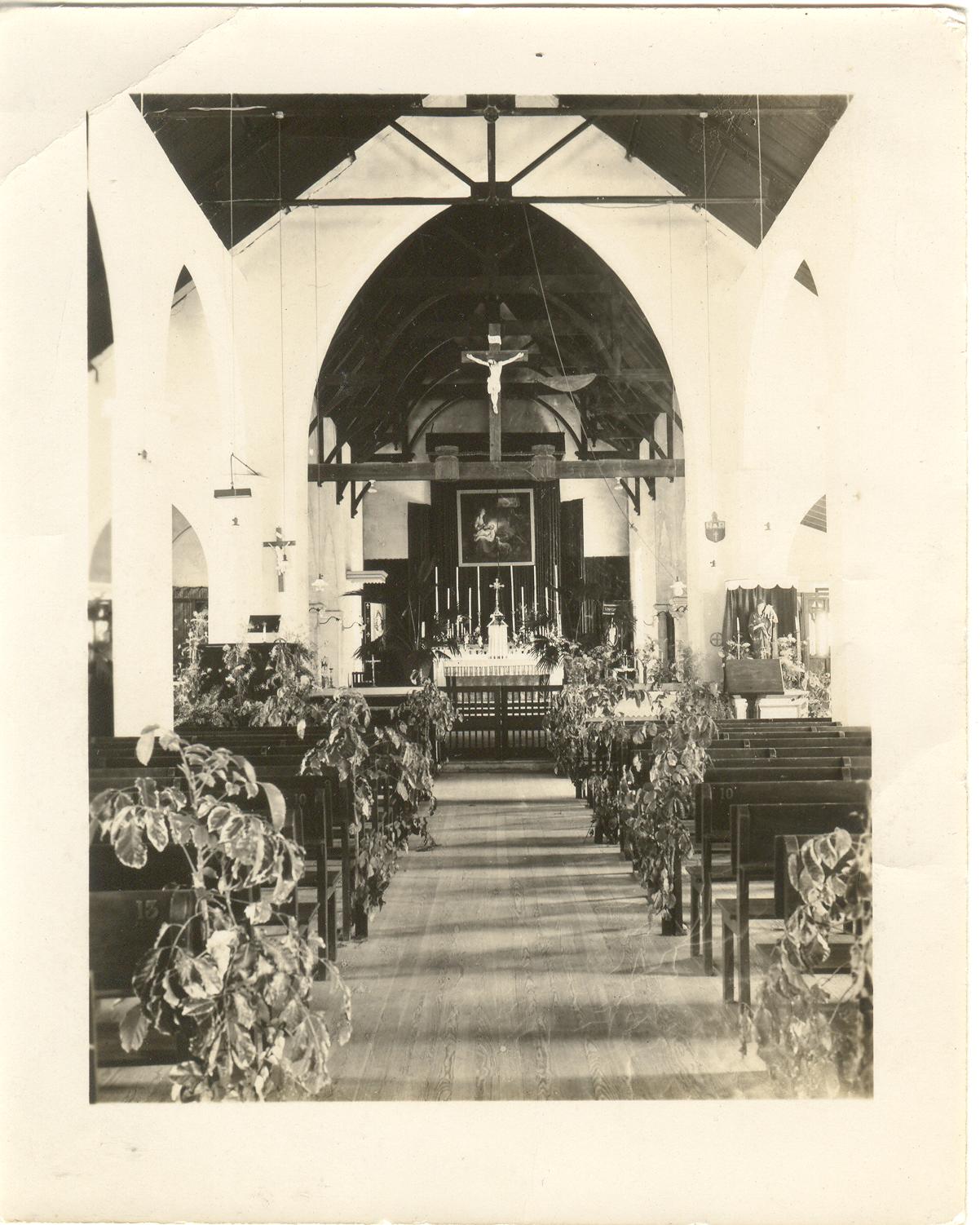 The chancel is separated from the nave by a grand Gothic arch of reinforced concrete. The sophisticated timber “hammer beam trusses”, typical of 14th Century English churches, make a Ceiling worthy of the purpose of the holy space it protects. It is interesting to note that St Mary’s Church, Virginia Street, has the same truss and decorative detail in its chancel. The Altar is of Connemara and Carrava marble with jewels of lapis lazuli and red marble. Two oil paintings were installed above the altars, a nativity scene above the High Altar, and a depiction of the Blessed Virgin and Child over the Lady Altar.
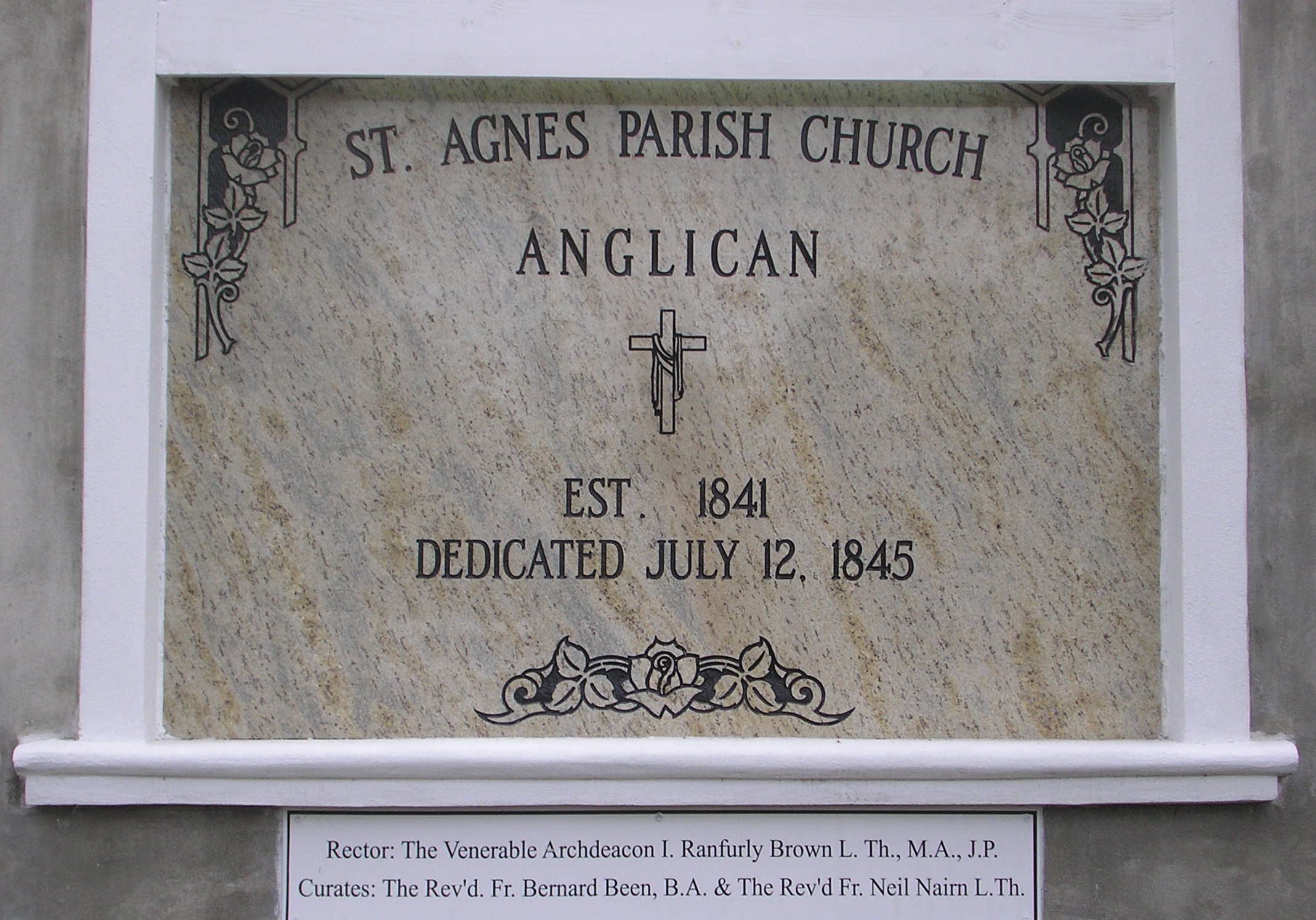
Early twentieth century photographs show a rose window on the Western Elevation above the Main door of the church. This, it is believed, was added in 1916 when the Western porch was built to celebrate fifty years of service of Father James H. Fisher. According to Canon Herbert George, it was this “large rose window” that took the full fury of the 1928 storm and blew in causing the entire roof to collapse. Only the side walls though badly damaged, and the foundations of the Western porch remained.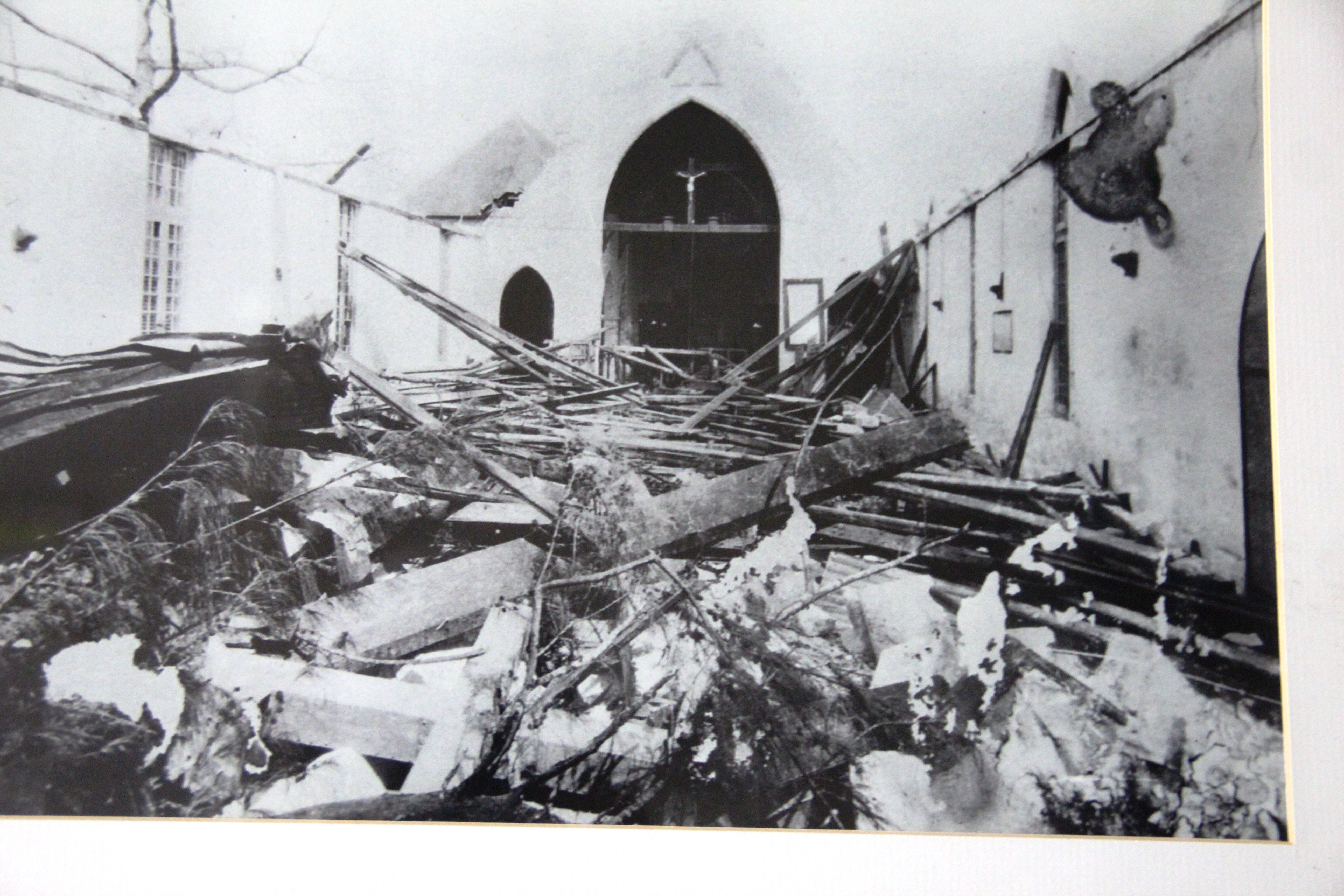
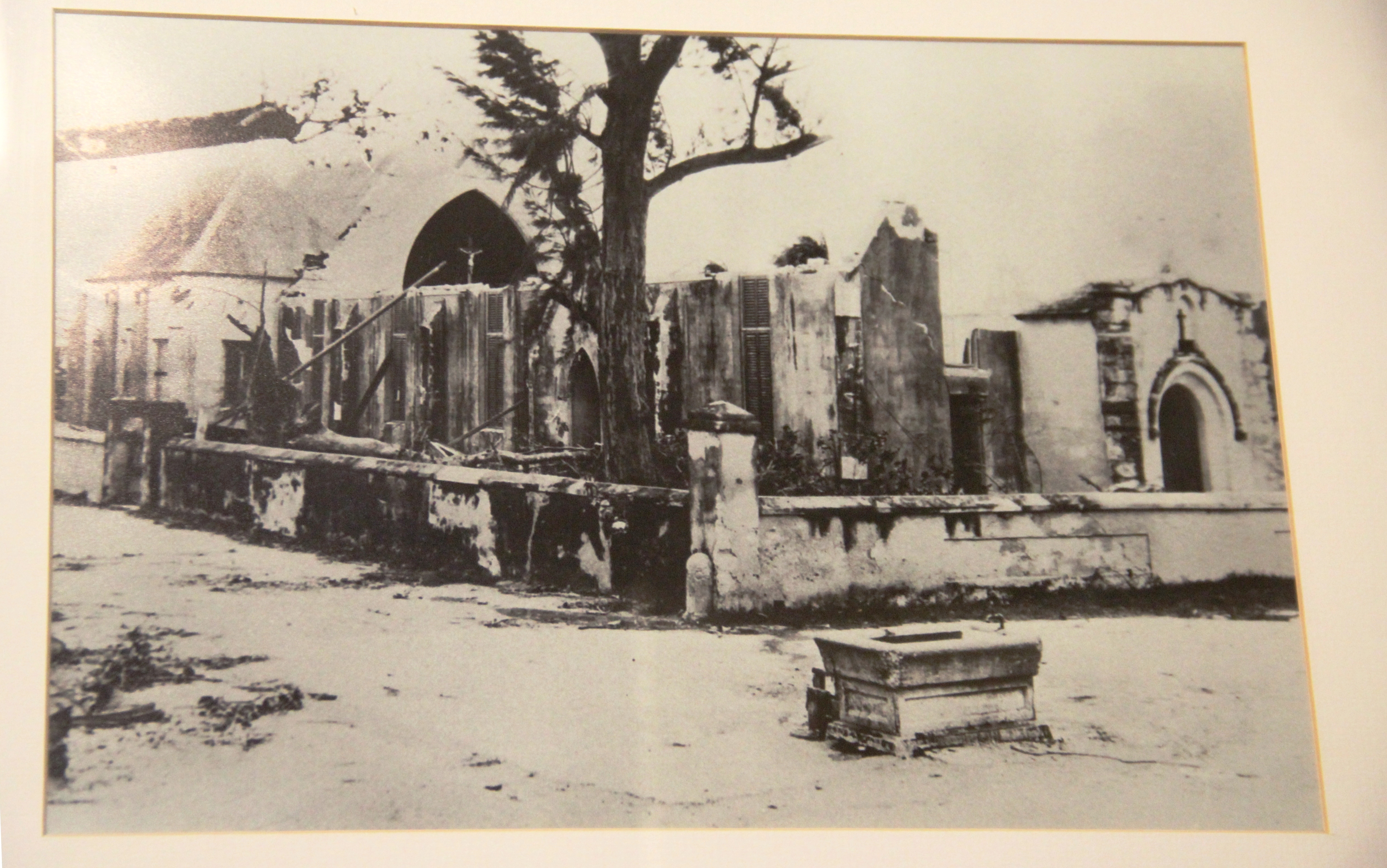
A Mr. A. L. B. Plunkett, a Government Engineer, and a Mr. Langlois redesigned the nave of the Church and reconstruction began the following February 1929. The North and South walls were reinforced with buttresses, and reinforced concrete beams were added to the top of the walls to receive the new steel girders that replaced the timber rafters. On the interior, four pairs of stout hexagonal reinforced concrete columns were installed between the nave and the aisles. Above the columns are large semicircular Roman arches of reinforced concrete. This line of arches ties the chancel arch to the Western wall, and divides the roof structure into trusses above the nave, and rafters above the aisles. The pitch of the roof was considerably lowered from the original structure, and proved to be much stronger as it withstood the even more devastating 1929 hurricane that destroyed many structures in New Providence.
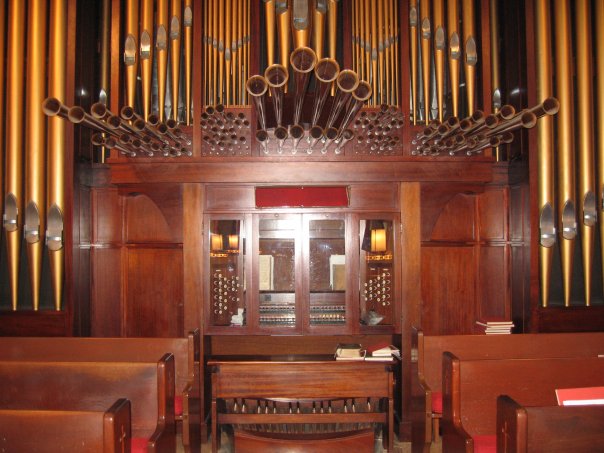
 Several additions were made to the structure in the more than thirty years of Archdeacon William Thompson. Archdeacon Thompson benefited greatly from the service of organist Percy Hanna, who was also a pioneering 20th century Bahamian Architect. Mr. Hanna, along with his son Engineer Paul Hanna, designed the Bell tower over the Western Gate which was dedicated on July 12, 1970.The father and son Hanna team also designed the Choir Loft and in 1982 this addition was dedicated when the new J. W. Walkes and Sons, England, organ was completed. The structure was erected by Carl G. Treco Contractors, and Lloyd M. Toppin & Co. was responsible for the finish mahogany woodwork.
Later in the early 1990’s, Archdeacon Thompson commissioned the design of the Northern and Southern Porches of the church. He enlisted Architect, Jackson Burnside, the Great Grandson of Herbert Burnside who was a member of the first vestry of St. Agnes, and Da Costa Williams was responsible for the construction of these additions. Mr. Williams also donated the larger Southern porch in memory of his parents, Mr. and Mrs. Cardinal Williams of McCollough Corner.
New mahogany doors for all entrances were built by Mr. Lloyd Toppin and donated by parishioners. The Main Entrance, door at the West was donated by Basil Johnson and family in memory of Mrs. Johnson. The Gay family donated doors in memory of their parents, Mr. and Mrs. John Gay and their daughter Claire Gay Newbold of Gaol Alley. The Coakleys of King Street donated doors in memory of the late Mr. and Mrs. Roderick Coakley. The Toppin family gave a door in memory of the late Mr. And Mrs. Milton Toppin of Baillou Hill Road. Shortly after this period air-conditioning was added and the historic plain glass wooden casement windows were removed in favour of modern stained glass windows. The new statue and grotto in the Southern garden donated by Da Costa Williams, was included in the dedication of the doors on July 19th 1993.
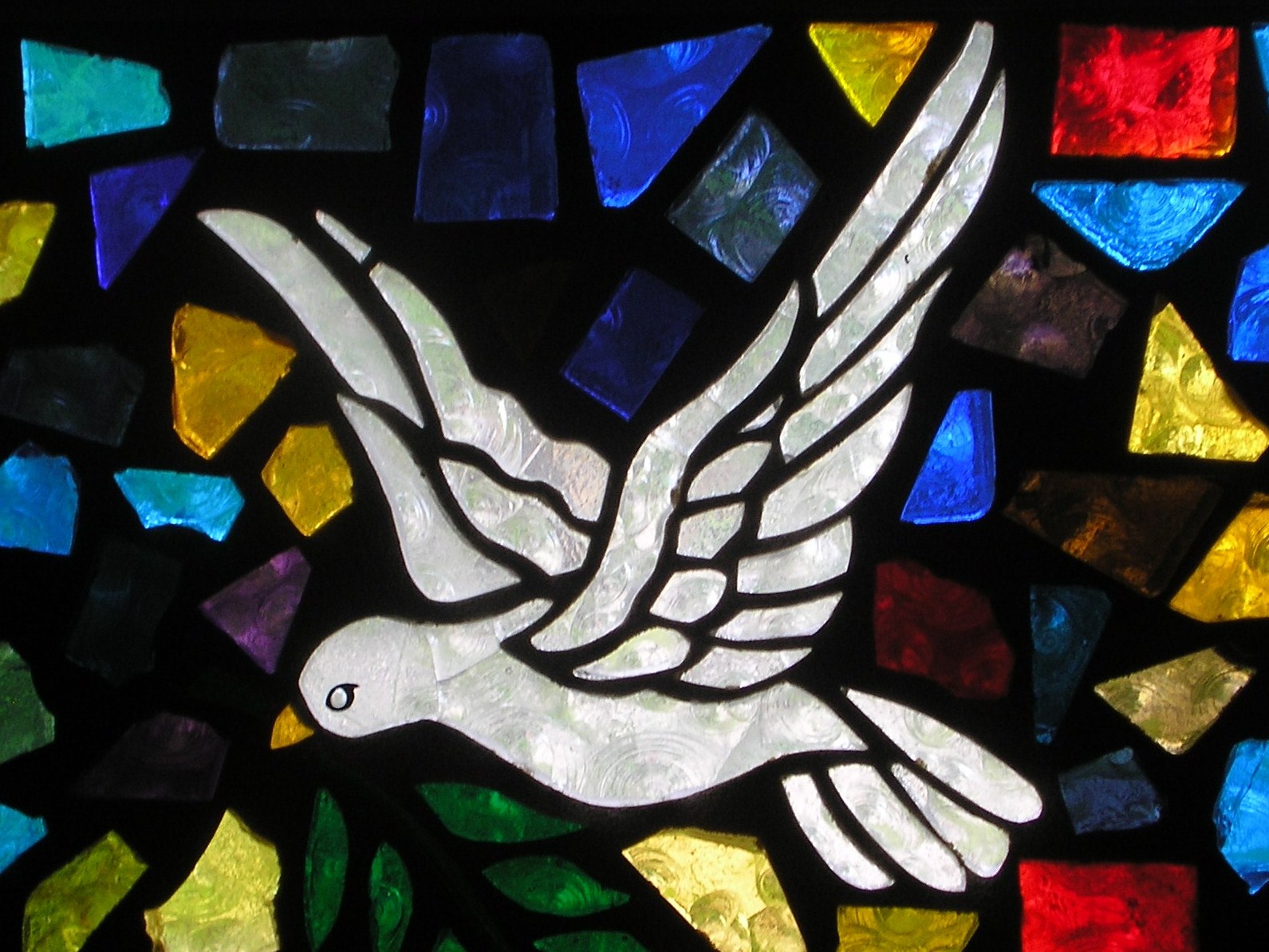
Also in July 1993, modern stained glass windows in metal frames were installed in the original masonry openings. These abstract depictions of the seven sacraments of the church were donated by the family of Samuel Glasgow and Cornelia Williams in their honour. Though built by the Stateville Stained Glass Co., USA, Mr. Lloyd Toppin and Matthew Simmons prepared the necessary woodwork. The pointed arch characteristic of Gothic window openings was blocked in to receive the square frames of these new units.
 The Anglican Church is an important part of the Bahamian legacy. St. Agnes Church has for almost 200 years played a significant part in the continued development of the distinct African, European and other diverse cultures of the population of our Islands. The description of the stones and sticks of this tangible Grant’s Town worship space should provoke the ongoing search by others to mine the rich and valuable stories of our “goodly heritage”.
This article was written by Jackson L.Burnside III (1949-2011) in June 2007 and is recorded here by kind permission of his widow Pamela Burnside.
Excellent! Worthy of widespread publication!
Thank you Rose Mae
This information is pertinent to the connection of our over-the -hill experience and gives us a clear picture of the care and concern which was put into the building of this edifice called St Agnes.It is interesting that the architecture is described as Gothic revival.This Gothic revival also has a connection with the period and time where Gothic music ,Gothic painting and Gothic culture was a way of living and expressing oneself in the Gothic period.My question is ;Who was Saint Agnes? I will also google the question. Good presentation.
Thanks Phil.
I’m very proud to have had a mentor like Mr Burnside.
Thanks for your comment.