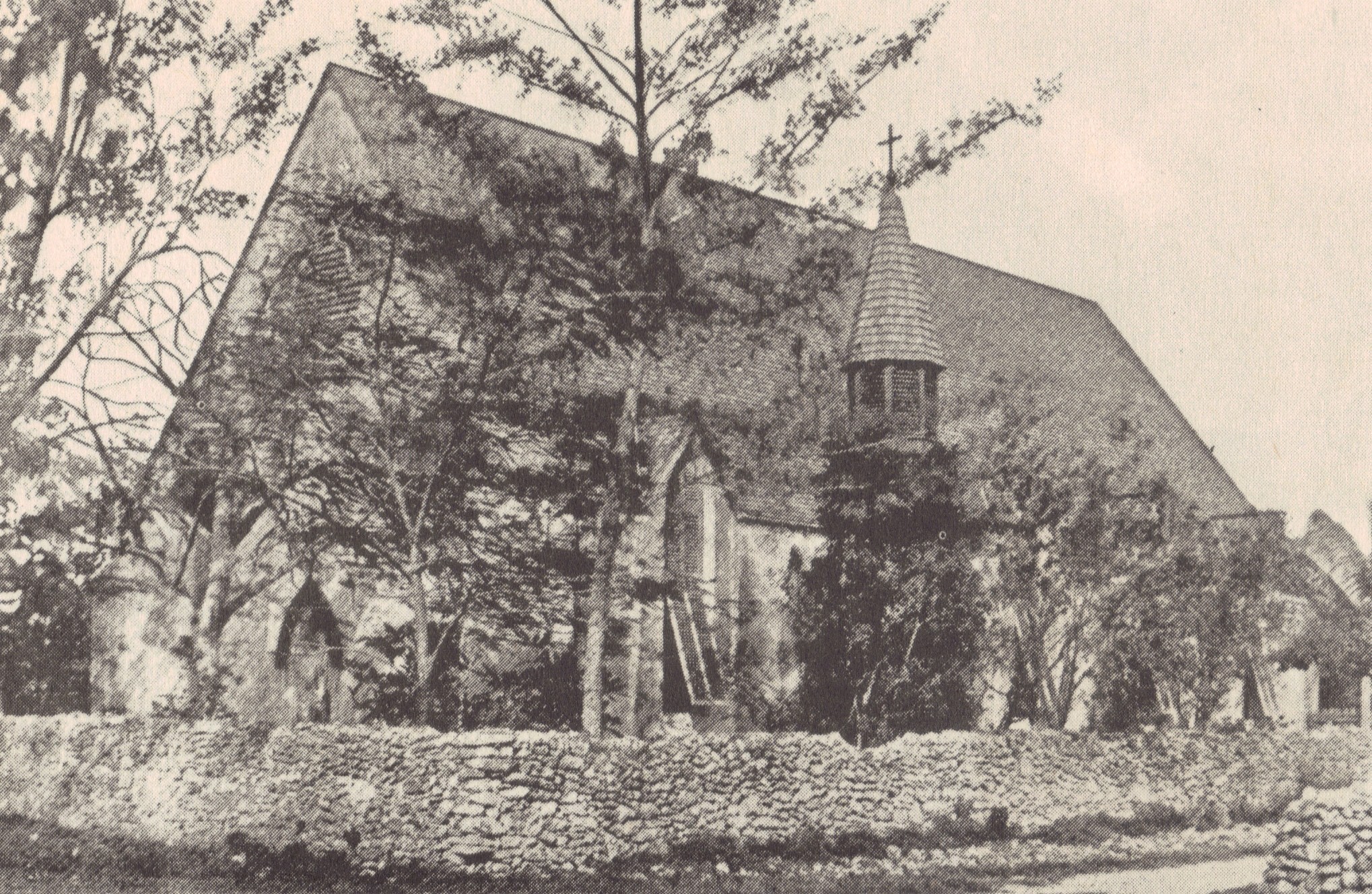
ST. AGNES ANGLICAN CHURCH 150th ANNIVERSARY – LECTURE SERIES
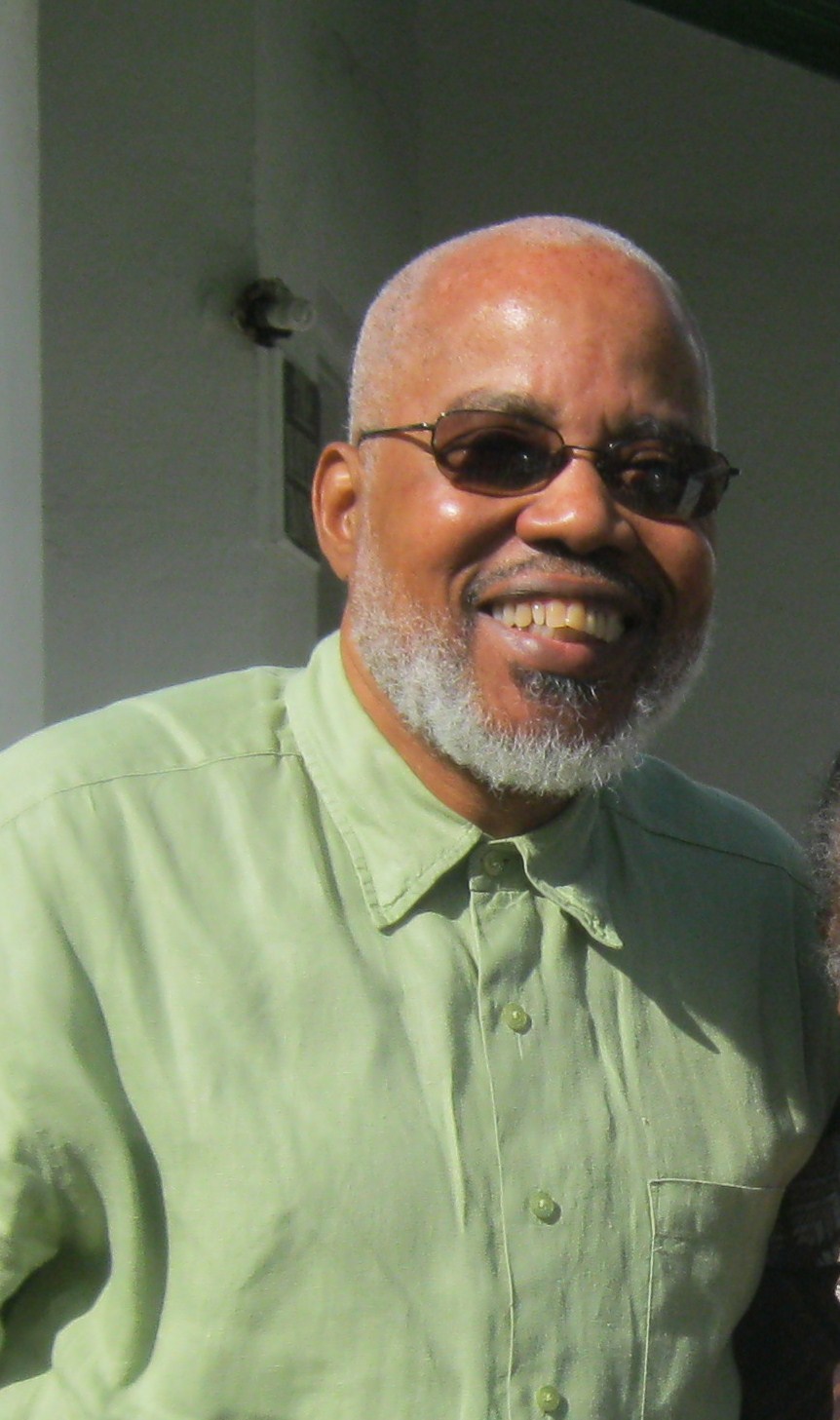
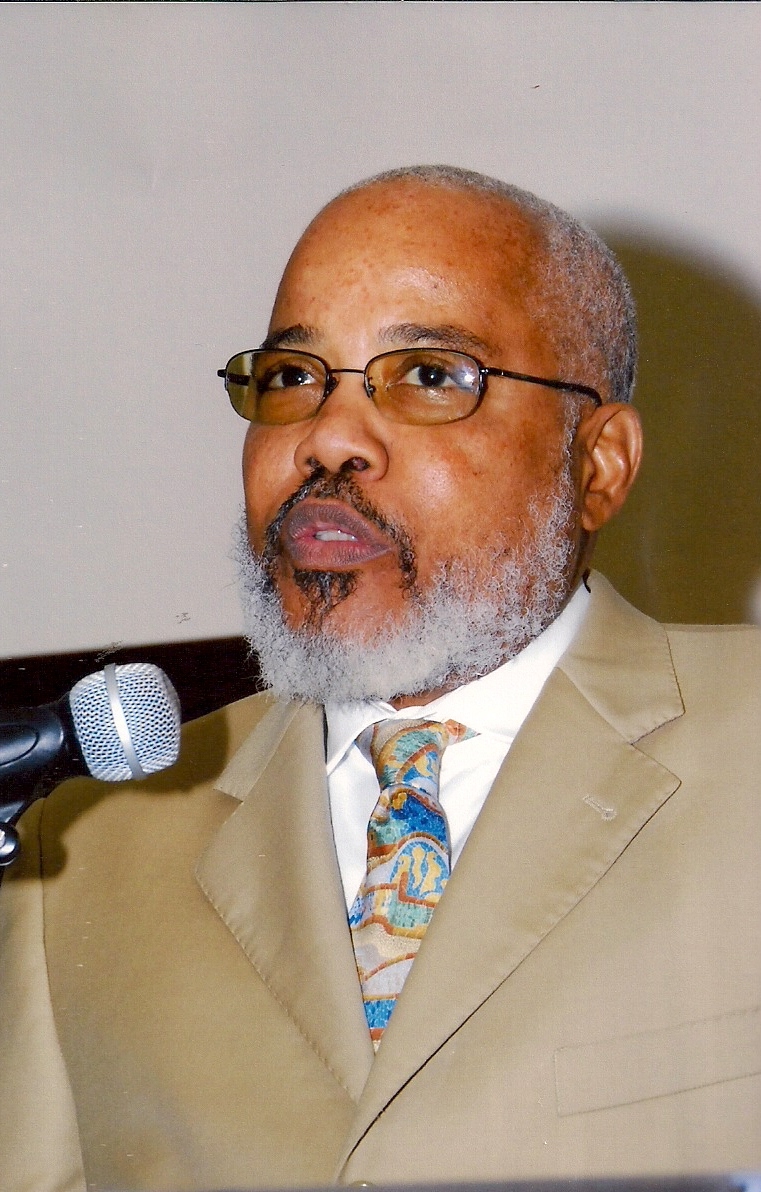
By Ivan A. Hanna – 20th September 1995
 This is a very wide subject and, although I will eventually get into the meat of this exciting topic, there are a few preliminaries I must pass through first.
THE ONE-MAN-BAND
During the forties, there was the One-Man-Band, a contraption built on wheels consisting of drums, different sounding horns, cymbals, tambourines, etc. This gentleman plied his talents throughout the Over-the-Hill area and, for a penny, you could stop him at the side of the street and he would play your requests. He was a popular figure at children’s parties. He resided at Cameron Street.
THE CONCERT SCENE
This particular form of entertainment was very popular through the fifties, and concerts were held very frequently. The main venues for these concerts were: Grant’s Town Wesley Church and Schoolroom, Bethel Baptist, St. John’s Baptist, The African orthodox, St. Agnes Schoolroom, Zion Baptist, and many others. And, of course, we must not forget the musical evenings from house to house. Some of the performers that come to mind are: Naomi Blatch and Dot Sands with their poems or “recitations” as we called them, Sir Randol and his saxophone, my eldest brother, Jim and his trumpet, Mrs. Juanita Poitier and her saxophone, the late Charlie Adamson and his Hawaiian guitar, the late Corporal Butler from Hospital Lane and his string guitars, the late Sidney Woods, Percy Hanna, Bert Cambridge and George Moxey, Mrs. Persis Rodgers, Gwen McDeigan and Earlin Smith. These are but a few, but one lady that stands out, is Miss Vera Love, in her heyday, a superb soprano who did all of the soprano solos and led the chorus during the four hour performance of Handel’s Messiah at St. Agnes Church by the People’s Volunteer Group, under the direction of t he late Charles Fisher, with Pearl Williams on Piano and Percy Hanna on the organ.
During the mid-forties through the fifties, I was an integral part of this group. While rehearsing a trumpet solo, my father told a story about the late Bulla Roberts, my tutor for the trumpet and his daughter at Wesley Schoolroom. The piece we were rehearsing was the same one Bulla Roberts was playing with his daughter at the piano. She turned two pages instead of one, so you could imagine the chaos, the two of them playing different pages. But first, let me explain how they got on the Wesley stage. Bulla Roberts was living in Miami; previously he was a policeman in Nassau, and led the Police Force on a strike for more pay, hence he had to leave town.
During the twenties, there were regular excursions between Miami and Nassau and this was one of those occasions – the big event, the grand concert at Wesley. Bulla was dressed in his three piece tuxedo with tails and there he was on stage messing up in front of a packed hall with the Governor and wife in attendance. “Why the hell you don’t watch your damn music”, he shouted, and his daughter responded likewise. After the late Charles Fisher was able to calm them down, Bulla shouted: “Take it from the top” and, when they were finished, they received a standing ovation led by the Governor and his wife.
MARCHING BANDS
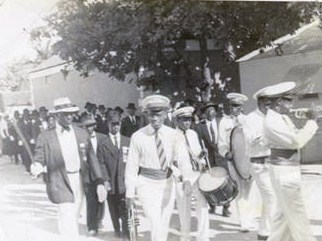
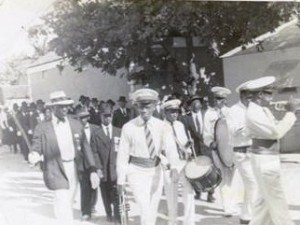 They were the Southern Band, St. Agnes Band, Catholic Band, Eastern Band (and I will explain the connection) the Police Band. The Eastern Band by comparison was so weak that they joined up with St. Agnes and was allowed to retain their identity by turning out on alternate occasions as the Eastern Band. Then came Empire Day 1945: one of my first big days as a musician. Mr. Ted Glover wanted the band for Western Senior, Mr. Donald Davis wanted the band for Eastern Senior, and so you can guess what happened, the Eastern Band folded. The Southern Band, under Bulla Roberts, played for the Roman Catholic processions and one occasion, a few of the men accused Fr. Quentin and Bulla of pocketing money from these processions. It was at this point that Fr. Quentin assisted by Bulla Roberts started the Catholic Band. The catholic Band never attained the popularity of the other bands, but produced some giant musicians, whom I will name later. All of these bands have disappeared with the exception of the Police Band and they almost went under also. Like the Eastern Band, they needed trumpet players to fill the void, and civilians were recruited. So, teenagers Freddie Brown and Ivan Hanna donned police uniforms to play in the band. These marching bands were the first dance bands also and just as they were hired for parades, they were hired for special occasions, just as the Police Band is today.
THE REAL ORCHESTRAS
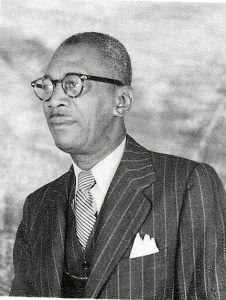
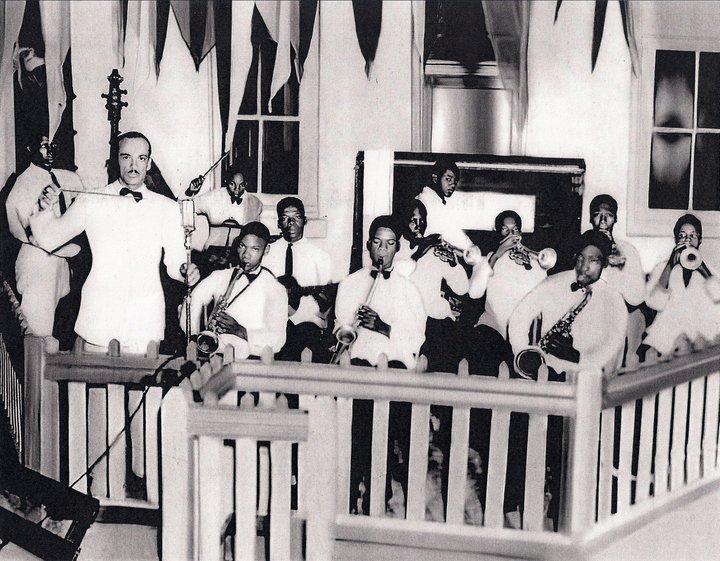
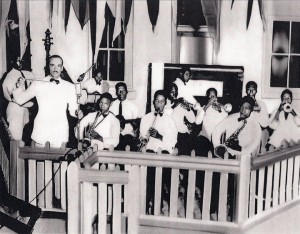 The time came when real orchestras were introduced and, of course, the men from the marching bands became core members – i.e., those who could handle the transition. Special dance halls were the Aurora Hall at the top of Charlotte Street, where the high society blacks went and the second floor of the Elks Hall which was also a peculiar place.
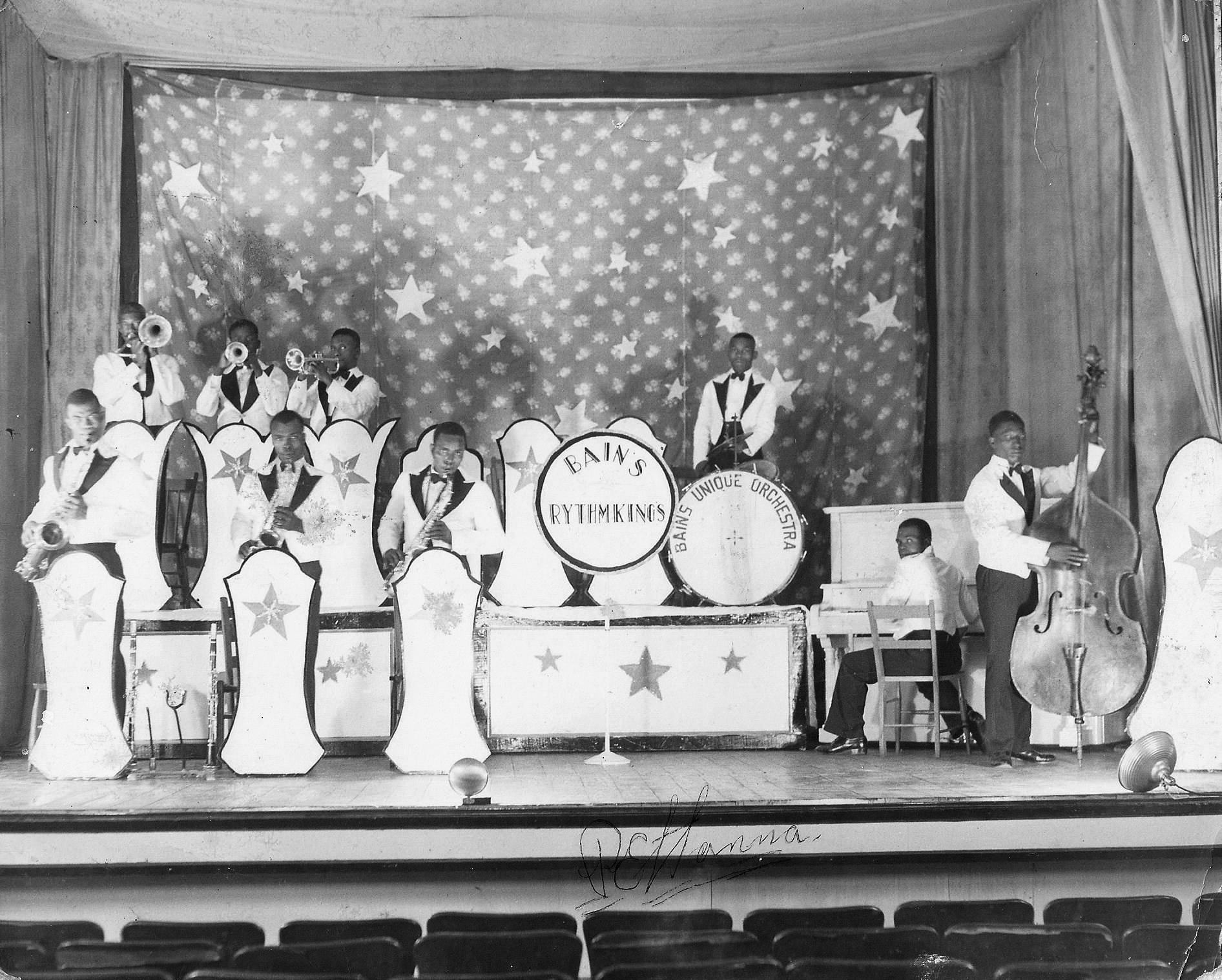
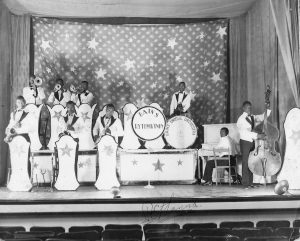 During the twenties and thirties, undoubtedly the best orchestra around was the Bert Cambridge Ensemble. After living in new York for a time, Mr. Cambridge returned home and revolutionized commercial music. This, ladies and gentlemen, was the genesis of the real thing. The only surviving member of the grouping is Mr. Maxwell Thompson, a saxophonist. Musicians who remember speak with reverence about the magnificence of the Cambridge band. Since that time bands from Over-The-Hill that made their presence felt were the Bain’s Orchestra, The Rudy Williams Orchestra, the Lou Adams Orchestra, which is the longest surviving band, the Re-Bops, led by the late Irwin Gibson, the Carl Saunders Orchestra, the Joe Lord Orchestra, the Jimmy Thurston Orchestra, just to name a few. These bands, for the most part, played at tourist functions during the off season.
THE PEOPLE’S THEATRE
Built by Mr. Eustace Duvalier, this large wooden building was on Baillou Hill Road, where the serve around is now located, opposite the Baillou Hill Road clinic. It was a movie theatre, a sports arena, a dance hall, a meeting place, and the main activities place of its time. It was the home, for instance, of the “Elite Social Club”. This building was destroyed by fire some time after the 1942 riot.
 Three blocks south stood the Weary Willis Hotel, built by the late William Willis Neilly. I understand that after completing such a large there-storey building, he was so weary that he named the building the “Weary Willis”. After his death, the building was taken over by his son-in-law, Archibald Brown. The third floor was the entertainment centre and in later years, john Chipman held some entertainment there as he prepared for his role in the music field. By the fifties, it had lost its glamour as a dance club and operated mainly as a bar and rooms.
St. Paul’s Baptist church was built practically against the Weary Willis and there were lots of conflicts between the spirits. Rev. Colebrooke would send the sexton to complain that the music was disturbing divine worship, but a half pint of the sexton’s his favourite beverage would take care of that. As a youngster, I well remember the police coming to the third floor where we were playing to deal with complaints from the church; sometimes Rev. Colebrook came himself. This building fell into disrepair and was taken down in the early sixties, much to the jubilation of the church and the property was bought by them and is now their parking lot.
A MAN CALLED FREDDIE MUNNINGS
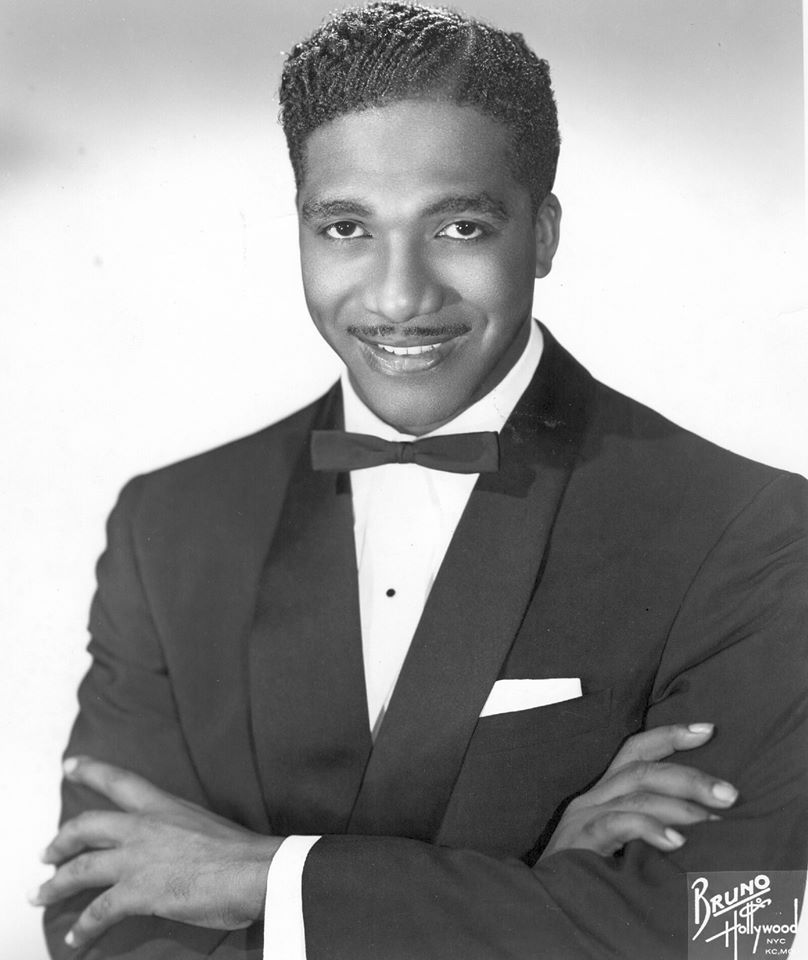
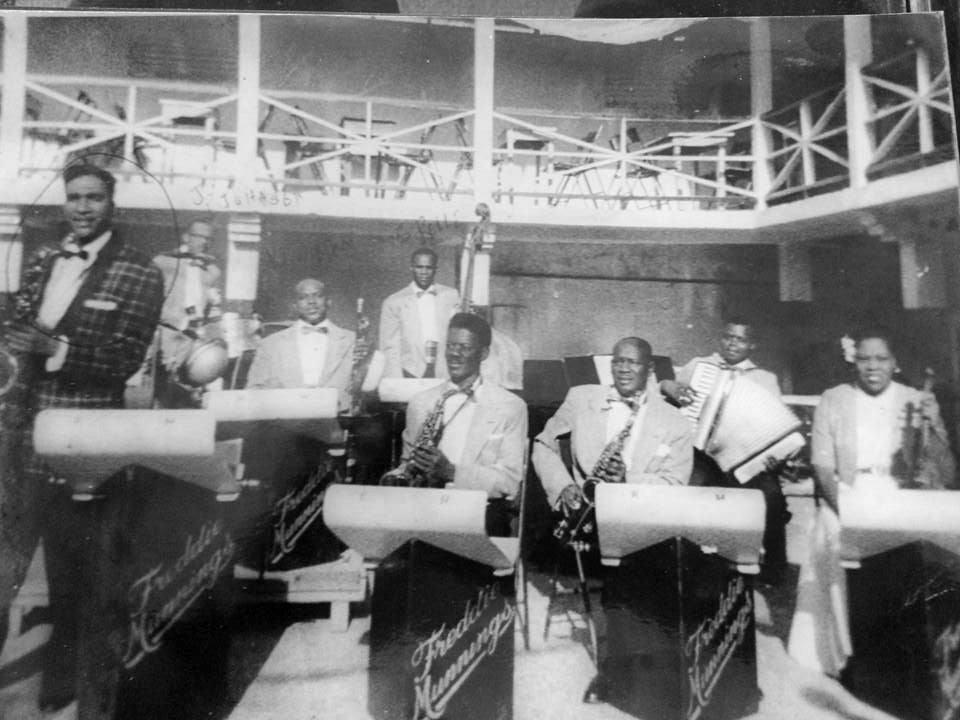
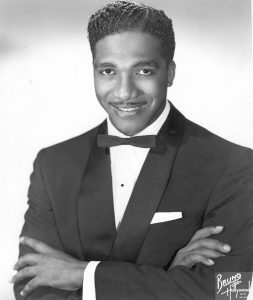 Mr. Munnings was a member of the Police Force and played the clarinet in the Police Band, and later got into commercial music by chance. He undoubtedly became the most popular and versatile musician these Islands have produced. The Silver Slipper Club on East Street was bought by the late Edgar Bain from his original partners, the late Gerald Dean, Viki Brown, Cyril Richardson, and Whylly Reid, and this was the home ground for the Rudy Williams Orchestra, in which Mr. Munnings played and later took over. The entertainment spot flourished like no other. Native shows were put on at least twice per night for locals and tourists. The Silver Slipper was the first establishment where local musicians worked full time and made a living as professionals holding their heads high, and there were their counterparts, a cadre of dancers and support staff, who also made a living as full time entertainers. At the Silver Slipper, international shows were brought in and the Freddie Munnings Orchestra ably supported them.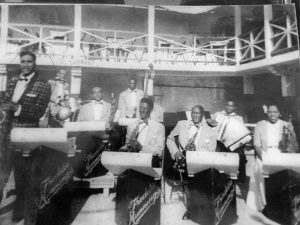
Around this time, Mr. Percy Pinder returned home from the U.S. and built a dance hall just across the street from the Silver slipper, called the Rainbow Gardens, where the Fred Ramsey Orchestra played, but the operation was no match for the charisma of Mr. Munnings and soon closed its doors and was turned into a movie theatre. This theatre was unique in that it had two balconies where you could take your favourite girl and watch the movie in seclusion. This theatre, along with the Cinema theatre just across the street from the Silver Slipper made East Street the capital of entertainment.
Mr. Pinder’s theatre went up in flames and he later built the Capital theatre on Market Street which is now Purity Bakery. The Capital was a high class cinema not for all and sundry, the entrance fee took care of that. In the early fifties, The Bahamas Playhouse was established for the winter seasons and Broadway plays with big name stars were brought in. The building used for this entertainment was then a part of the Colonial Hotel just at the bend joining Marlborough and West Streets, at the waterfront, where the Hertz Rent-A-car is now situated. These plays were then put on at the Capital Theatre for the masses and school children. Also at the Capital there was a weekly talent show directed at different times by Mr. Bert Cambridge and Mr. Freddie Munnings. These activities were big time.
Meanwhile, in the mason’s Addition / McCullough corner area there was the ACL Hall where a group of young musicians, led by John Chipman jammed every Saturday night to overflow crowds. If you wanted to make a pickup for the weekend, this was one place to go.
Then there was the King of the rake and scrape, the Joe Billy Dancers on King Street, just off Market Street. They also played to overflowing crowds. The entrance fee was sixpence and the peculiar feature of this dance was that the ladies had to consent to any man who asked her to dance or she was immediately put out. This also a good musical pick up place.
At the western end of King Street at Baillou Hill Road, stood the Zanzibar Cabaret and Hotel owned and operated by the late Felix Johnson. Mr. Johnson emceed his shows and what an entertainer he was, dressed in tails and using a walking cane at the strains of “Sunny side of the Street”, you knew it was “Show Time” (his famous quotes, his fights). It was safe to walk the streets at any hour of the night or morning. As the number two club on the Island, the Zanzibar imported some of the best bands from Jamaica, the Eric Dean Orchestra, the Baba Mooda Orchestra, to name a few. But the Zanzibar never really swung until Mr. Johnson was able to persuade the tall, handsome, curly haired, silver tongue man, who could beat Perry Como singing, who mastered the clarinet and saxophone, to play at the Zanzibar. When Freddie Munnings sang, many husbands and boyfriends were embarrassed by the way their ladies responded. The number of offspring he fathered is testimony to this fact. Mr. Johnson also held his own in that category.
With these two giants teaming up, everywhere else was dead. Giant musicians were brought in from the U.S. – names like: Roy Hamilton, James Brown, Les Paul, Jackie Wilson and others complemented by locals, Naomi Taylor, the Jungle Queen, and Becky Chipman, the queen amongst the ladies; Mary Clarke, Queenie, Lucille, Rosie, Maureen Duvalier and a host of shapely ladies. Amongst the men we remember the Kemp brothers, Toe Joe, Pally, John “Chippie” Chipman, Peanuts Taylor (Peppi), etc. etc.
At this time let me mention individual musicians who excelled: Eric Russell, Eric Cash, Bruce Coakley, sir Buck Marshall, John Clarke, Jerry Johnson, Martin Conliffe, George Moxey, Garnet Woodside, B-O-Bie, Dennis Donaldson, Blind Black, Jack Roker, Ed white, Chubby, Lou Adams James Sweeting, Jimmie Thompson, Charles Carey, Apple Elliott, Ralph Munnings; brothers from the south who joined us: Little G, Neville Sampson, Gladstone Sterling, Tom McCook, George Wright, Lane, Fred Callender, Billy Cooke, Rod Williams, Vernon Muller, Hackschore, Jackie Willisee, etc.
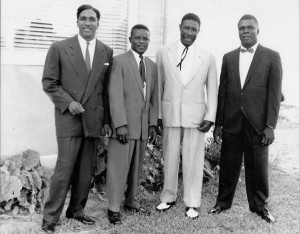 In a talk such as this there are certain names you cannot leave out, although they did not work in clubs Over-The-Hill or, if they did, it was very brief: blind Blake, George Symonette, of course King Eric had a recording studio Over-the-Hill and worked over here for a short time; Ronnie Butler, and Flash Rodgers.
Meanwhile, Mr. Munnings, on top of the proverbial world and probably the best known Bahamian of the era, naturally seized the opportunity to purchase the Cat & Fiddle Club when it became available. Prior to this the Club was a dismal failure for more than one reason.
The popularity of Mr. Munnings could draw the crowds on the Island, and success after success led to the continued practice of bringing in the best: Nat King Cole, Count Basie, the comedian Flip Wilson and many more. There was even an ice skating review brought in, and in our hot climate you could imagine the cost for constructing and maintaining a skating rink on the Cat & Fiddle floor. Mr. Munnings branched out into several businesses, and at the pinnacle of his career he began to fade and fade from the active music scene, which still remains a mystery. The Ghana Room was added later and operated as a separate club, although both clubs complemented each other. With the departure of Mr. Munnings from the stage, the Cat & Fiddle also folded.
THE DRUMBEAT CLUB
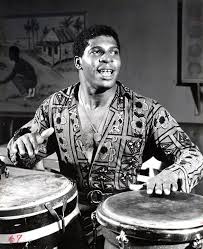 Owned by drummer, Berkley “Peanuts” Taylor, this club always had a good band. Situated at Market Street and the Northern side of Wellington Street, this establishment catered mainly to tourists but had its share of local business, and held its own. Unlike the clubs mentioned earlier, the Drumbeat was an enclosed club. The club was re-located to West Bay Street, and quite recently had a tragic end.
THE SMALLER CLUBS
These clubs known as the late spots operated at some odd hours and catered to a special clientele including musicians and entertainers from the larger clubs and hotels, and usually had a three or four piece grouping. Musicians are a peculiar lot, usually they stopped playing on the button at their regular jobs, but would immediately go to one of the late spots and jam until closing time.
During the fifties, one such club was the Conch Shell, operated by Mr. Gene Toote. I can well remember getting up at 10:00 p.m. to arrive at the club for the 11:00 p.m. jam. As I rode my bicycle beyond St. Barnabas Church, the only thing between there and the club was BEC, tall pine trees and draught. Other clubs in this category were Flowers on Quackoo Street, the Taxico Club, Wulff Road, Hutch Lounge, also on Wulff Road, the Blue Note Club, Poinciana Drive, and a few others.
Then there was the Confidential Club in the Adastra Gardens. Now this club is not really in the perimeter of this talk but I will include it because during the period that I worked there, it was run by a Grant’s Town man, Nelson Chipman. What a character! The name of the club itself dictates confidentiality, so you would have to use your imagination, as to things that really happened, but I could tell you that you worked hard as hell for that £16 a week. Let me describe a typical slow night. The band started about 10:30 p.m., first show at 11:00 p.m., then the club was emptied, musicians would fall asleep. A taxi drives up half an hour later with four people and asks what time is the next show: “In five minutes” shouts Mr. Chipman, and then he would go around waking up everybody. A show is put on for four people and they leave, and the same scenario is carried on for the rest of the night and into the morning.
There was a saxophone player in this band who openly smoked ganja (as they still call it) and that damned thing smelled so bad. The flame never goes out, and that was one way the police would catch you in the dark. Sitting in the front of the band, patrons would naturally give any tips to the person up front and, when questioned, he would say “The man gave the money to me, not the band. On one occasion, when he was given a blue £5 note, we had to beat him up and take the whole thing. While on this subject, there was another famous musician who collected the tips for his group, and this is what he did – one tip went into his left pocket, next tip went into the right pocket and so on, and at the end of the night, he only shared from one pocket, until one night, when he said let’s see how much we share tonight, one fellow who kept score in his head blurted out “50 + 50, to his surprise. At the Confidential Club, a very young limbo dancer was part of the show. I believe Nelson Chipman gave him the name “Tony Seymour” and it was at the Confidential that he first began to sing and formed his band that took the new club the Banana Boat, to great heights. In later years, as a taxi driver, Tony was murdered. The Banana Boat building which is now being renovated as a Baptist church was financed by the late Canon E.W.G. Holmes and, according to records, he was the owner for a long time.
PAUL MEERES
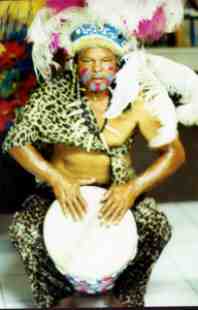
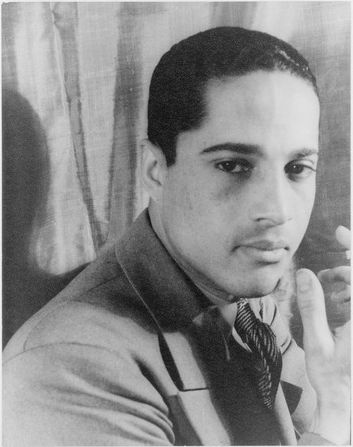
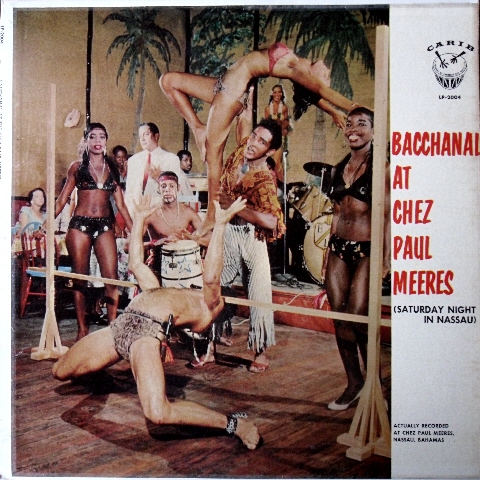
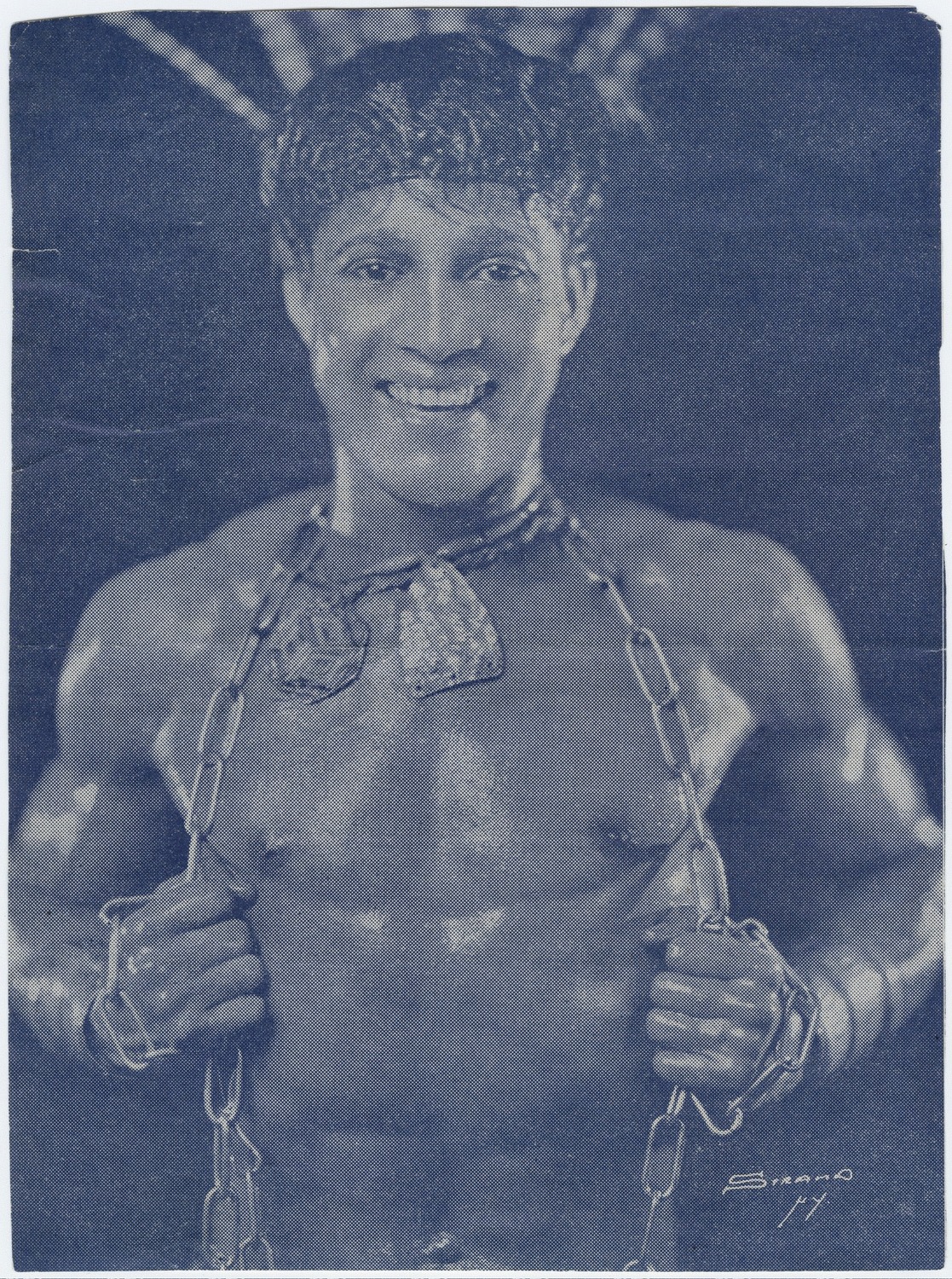
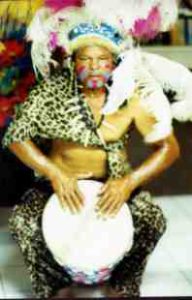
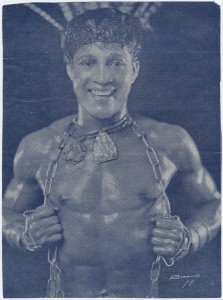
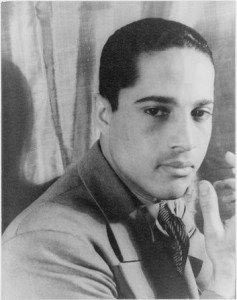 I purposely left this for the last. Bahamian Paul Meeres was an international super Star all over Europe. Mr. Meeres had a black mother and a white father. Paul was exceptionally good looking and those of us, who can remember the photo of him in the show window of Df. Cleary on Bay Street, would remember the daily crowds looking at his picture in dance costume. Mr. Meeres returned home after having the Paul Meeres Hotel built at Market Street and Wellington Streets. On the ground floor there was a night club where he dazzled patrons and showed us why he was a super star. The late George Symonette and Peanuts Taylor played there.
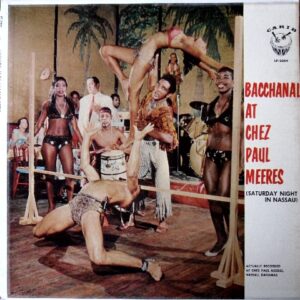 Mr. Meeres had a tragic end that started when he decided to serve the prison sentence handed down to his Mother by the court for hiding a relative, who had escaped from prison. During the time of his incarceration, many of his overseas visitors and friends were shocked about the whole thing, which added to his tragedy. Upon his release, the old Paul Meeres was gone forever. In his final years he was a regular from club to club, by now an alcoholic. He was knocked down early one morning on Baillou Hill Road near Wellington Street as he apparently stumbled home.
There is so much more that can be said on this subject and those that made it tick but, all of the presenters in this series before me took roughly about half an hour so, I feel obliged to do the same. That was the hardest part of presenting this paper.
 In conclusion, let me reminisce a little more. Musicians are a special breed, special in a way that not many professions are. It’s an ungrateful profession, and you must keep on top of it, or it will let you down. You must pass the test each and every day as musicians so well know. It’s very demanding, exciting, dangerous, lonely, yet fulfilling and there are no pensions. If you don’t provide for those rainy days, God help you! In this fickle industry where the musicians are the first to be cut from the payroll, who are taken so much for granted, that provides so much excitement, can also bring to much devastation. It is a profession oh so academic, yet so relaxing, carefree, and sobering. The world without musicians and music would be a very empty world. That is why music is the only art of heaven given to man, and the only art of earth we take to Heaven.
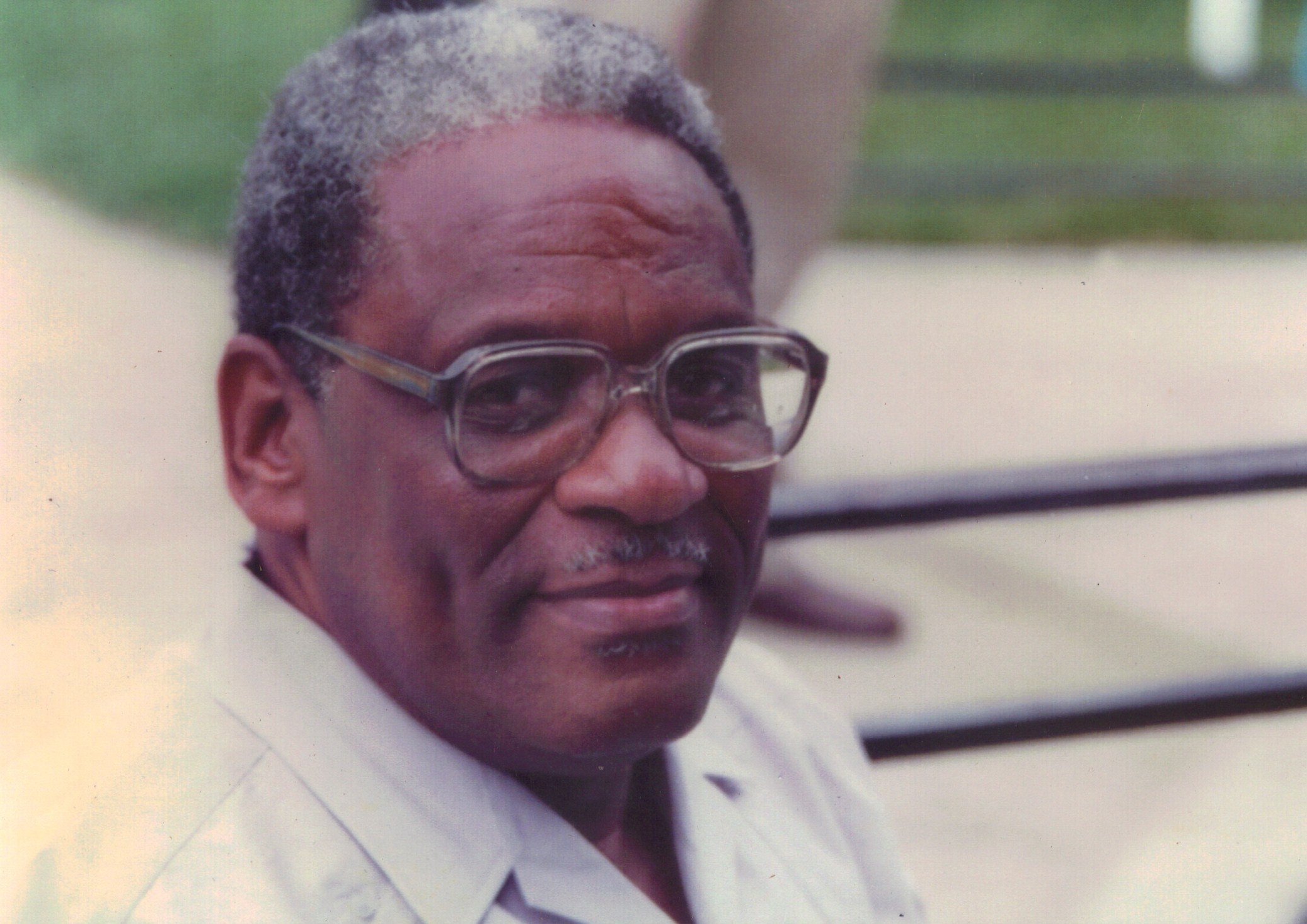
This lecture was presented by Ivan A. Hanna (1934-1999) on 20th September 1995 and is recorded here by kind permission of his widow Dolores Hanna.

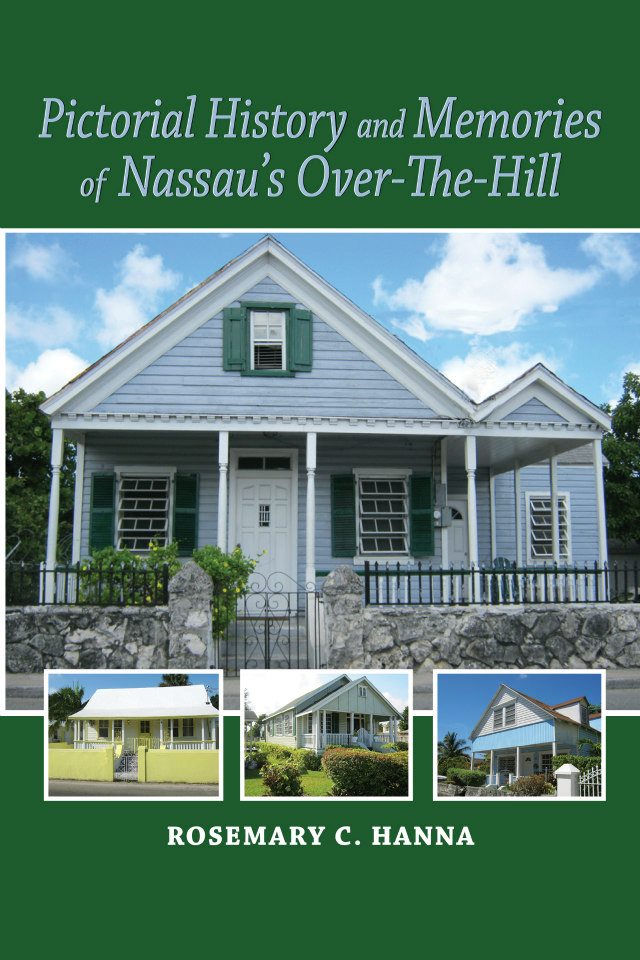 This book seeks to paint a picture of what life was like in the Over-the-Hill area of Grant’s Town and surrounding areas on the Island of New Providence, The Bahamas, beginning in the mid-nineteenth century following Emancipation, when the area was settled by freed slaves. It includes a brief history of the settlement and development of the area, the role of the Church in that process, and introduces some of the families that lived Over-The-Hill.
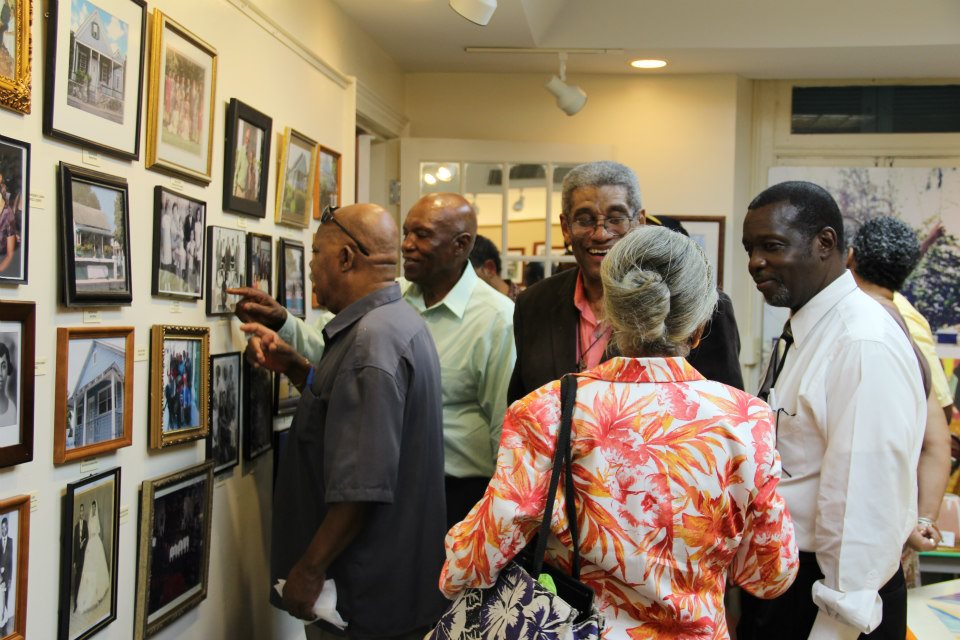 I extend special thanks to Sir Orville Turnquest for writing the Foreword.