

By Ann Marie Albury
The home where my cousin lived in Roses, Long Island, that was destroyed by Hurricane Joaquin was over 100 years old. The photos are paintings by Jeanie McLean, a visitor to the island and that was published in the calendar on two occasions. My Great-grand mother, Lelia, my Grand mother Theresa Major, and Grand Uncle Julius Major and His wife Effie, and now Inez lived in this home.
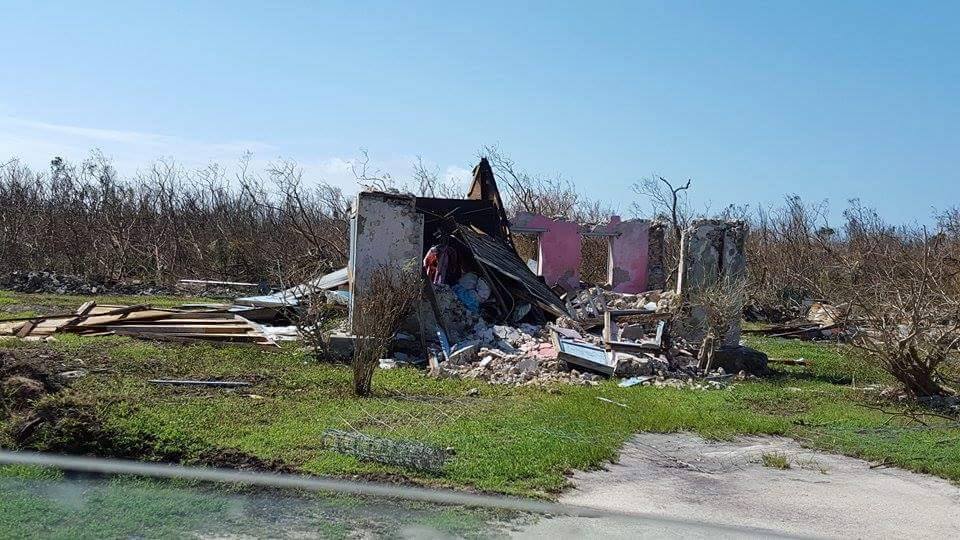
This home is a Traditional Out Island cottage built in the tabby construction method with wood-shingle hip roof, but given its height probably originally intended to include a garret (or attic) chamber later with addition of dormer windows positioned to set up a cross-current and become the coolest room in the house. The dormers never went in. In order to build, rocks and conch shells were gathered, trees cut and all toted on site. A kiln was made to burn it all converting the stones and shells to lime. Sand and chopped sisal were added to the mixture and the walls of the cottage were constructed using that mixture of slime (mortar) and rocks until the structure was erected. They used wooden forms to hold the mixture and added to the height as the mixture hardened. Notice the height of the foundation. Master Bedrooms usually were built with wooden floors, I am told, to prevent injury to babies should they fall from the bed. Notice the walls in the photograph after the hurricane and the rocks are visible. Nowadays the same technique is costlier. Steel will be used every so many feet in columns strengthening the walls. A beautiful house. The hard work and effort involved in building it should not be forgotten. 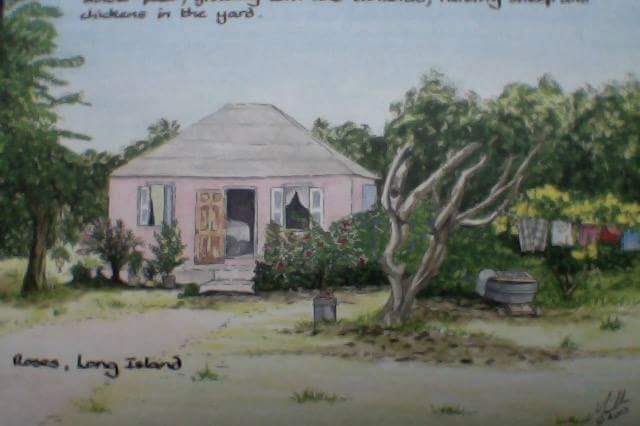
The technique has not been lost and the addition of steel columns in the corner and centre of the walls should be the answer to another Joaquin with the addition of hurricane straps to tie down the roof more firmly. Gauging the modern hurricane wind velocity, Bahamians should experiment with their own hurricane straps of a higher grade metal than sold in hardware stores. I have been asking whether vehicle grade tin is an answer and if it is thicker than current hurricane straps it should be a means of creating a local industry out of derelict vehicles. One hundred years ago, the construction of a house was a goal of young men whose parents had sent them “to trade” and they left school at 13 or 14 years of age. The families provided the building materials and food. Labour was contributed by family and friends. The grand occasion was “wetting the roof” and family and neighbours provided the food for the festive event. And of course the libation too. A bottle of liquor was broken when the roof went up. After that it was “finishing” work shingling, putting in windows and doors and painting or “white-washing” and you could get that in other colours too yellow and pink were standard in The Bahamas you got it by the pound in the hardware stores in Nassau and mixed it with water and applied it with a large brush like the stone-masons used to wet surfaces before plastering (I forgot the name of that brush somehow).
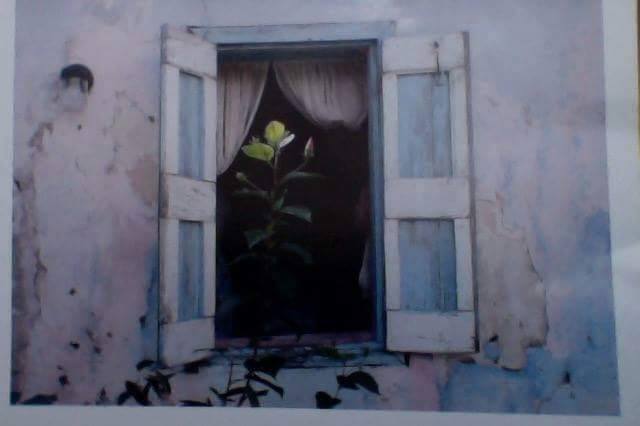
 The next celebration was the wedding of the young man because the purpose of the exercise was to assist the eligible bachelor who had finished school and learned his trade to, using another colloquialism, “cage the bird,” i.e. get married. The building pictured demonstrates the skills of the old-fashioned stone-mason and carpenter and in a social setting illustrates now-lost customs which once bonded and strengthened ties in a community and kept our Out Island Settlements open. The value and respect of the young for their elders was repaid by things like this and when that house was built it was professionally rendered because those helping supervise were skilled artisans. Elderly relatives and friends who could not tote rock or mix lime (actually slime) supervised the younger friends of the young man and viewing this you can see that they got it right. I notice in the rear (on the right of the house) a small portion of a dry rock wall which might be either the boundary of the land or the demarcation of the beginning of the cow, sheep and goat pasture. Usually, an out building at the rear housed a fire hearth and it was there that food was prepared and cooked, produce was preserved and stored and the thought of store-bought jellies, jams, yellow grits was unheard of. One or two Mandarin orange rinds were kept on nails in the rafters to make tea — the true Bahamian Orange Pekoe — when special guests visited. The folks lived closer to the soil and the lady of the house kept these preserves on hand in jars, some lasting the entire year. The Oven was also built out of rocks and mortar and positioned in vicinity of the outside kitchen.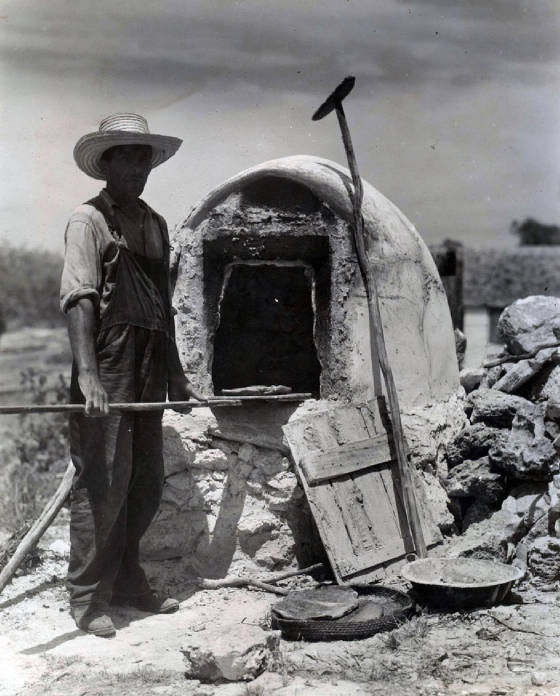
Remarkable is that 100 years ago a young Bahamian man left school at 13/14 years of age, learned a trade by age 21, which then the legal age of majority when he could marry without written parental consent, he acquired land, had no BGCSE or other qualifications beyond a School Leaving Certificate, but the New Bahamian is kept in school until 16 or 17 and shoved to the wolves after an expensive prom and cannot tune up the engine of the car he used to take his escort there. Hurricane Joaquin is telling us many things.
Thanks to Sidney Dorsett for sharing this valuable information.
October 2015
Very educational. I hope this would encourage more people to come forward with this type of “education”. Some people seem to think the Bahamas started around 1973. Please continue to write the stories.