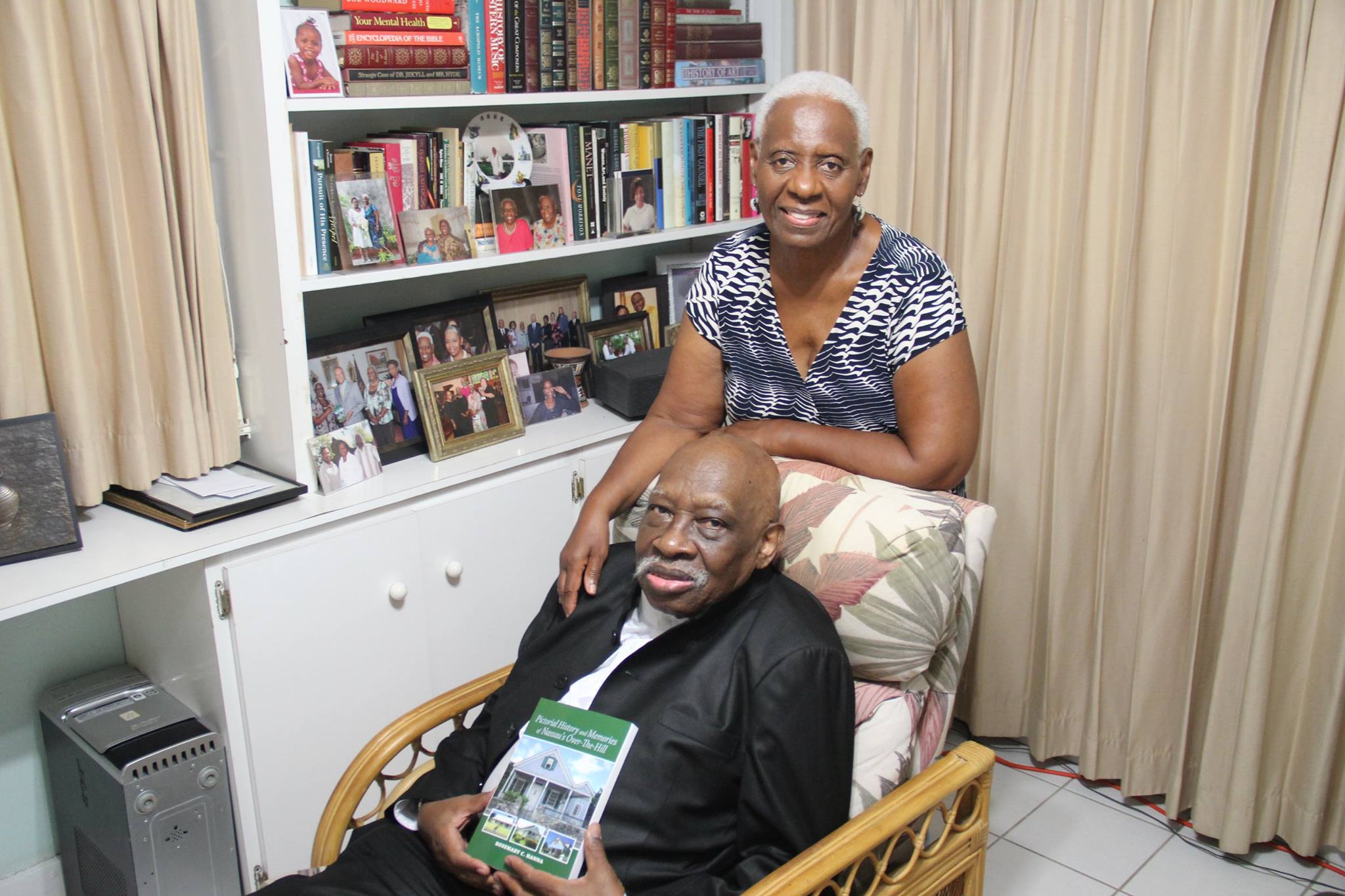
Excerpt from “Pictorial History and Memories of Nassau’s Over-The-Hill”
By Rosemary C. Hanna
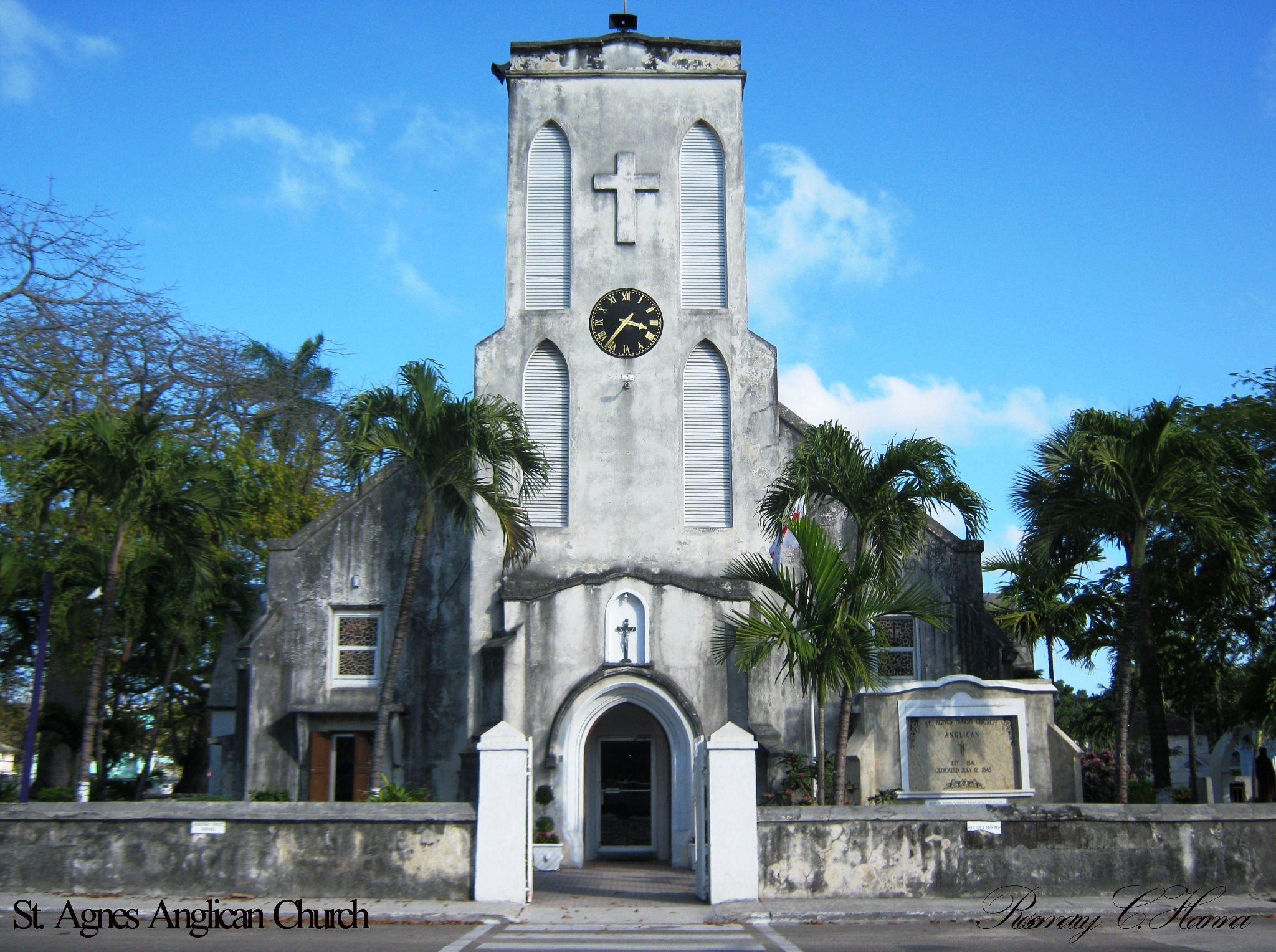
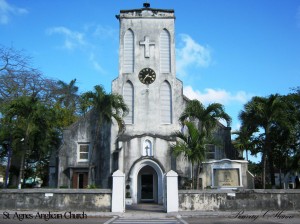 St. Agnes Anglican Church played a pivotal role in the lives of my family and many others Over-the-Hill. When I was a child all of the families that lived on Gaol Alley were members of and actively involved in the life of the Church. Parents took their children to Church and children attended Sunday School, were involved in the Guilds, Boys Brigade, Anglican Young people’s Association (AYPA) and other organisations.
The Church was established in 1841 and dedicated on 12th July 1845. It was established to provide a place of worship for the freed slaves who had settled in Grant’s Town. Both St. Agnes and the Parish Church of St. Mary the Virgin were Chapels of Ease under Christ Church Cathedral and designated parishes on 18th July 1889. The current Rector of St. Agnes, Archdeacon I. Ranfurly Brown, points out that St. Agnes and other churches Over-The-Hill played an importnt role in the education of the people. The Anglican Church first established schools in The Bahamas in the 1700s.
In 1840 Deacon Edward Jordan Rodgers came to The Bahamas from Falmouth, England as a missionary. He was the first Anglican Priest to work with the freed black slaves in Grant’s Town. He returned to England in 1843 to be ordained as a priest. Rodgers held the first St. Agnes services in the old African School House in 1841. He served at St. Agnes from 1841 to 1847. At the time The Bahamas was part of the Diocese of Jamaica. The Bahamas became a diocese on its own in 1861.
Reverend William John Woodcock was ordained as a Deacon on 12th November 1848 by the Lord Bishop of Jamaica, Aubrey George Spencer, and licensed as Assistant Curate at Christ Church Cathedral, New Providence, with charge of the St. Agnes District Chapel. At that time the Chapel was located at the present site of the St. Agnes Pre School. Woodcock began his duties at St.Agnes District Chapel on 1st Janury 1849 and he served the Church until 1851.
He realized that good schools were of paramount importance in the district and opened the Woodcock School on 28th March 1849. The wooden building with thatched roof accommodated seventy students and the attendance quickly expanded, making it necessry to add another room. Father Woodcock left all of his assets to the Woodcock School. His remains are interred inside the Chancel Gate at St. Agnes Church.
Reverend James Fisher served as Rector for fifty years (1856-1906). He was te first rector to be called “Father”. It was during his tenure that the new Church was built on Blue Hill Road to include a new Chancel and Lady Chapel.
Reverend Audley Browne was appointed Rector on 14th October 1906 and he served until 1925. He was made Archdeacon of Nassau in 1918. He was an accomplished musician who built and repaired organs and installed the the first organ in St. Agnes. He and Mr. Austin Destoup taught my father, Percival Hanna, to play the organ. St. Agnes had other accomplished instrumentalists and vocalists who took part in church services and regularly presented concerts.
In 1916 the porch at the Western entrance to the Church was erected and dedicated in memory of Father Fisher and the former rectors of the parish. The addition was planned by Father Fisher but he did not live to see it come to fruition and the project was completed by Archdeacon Browne.
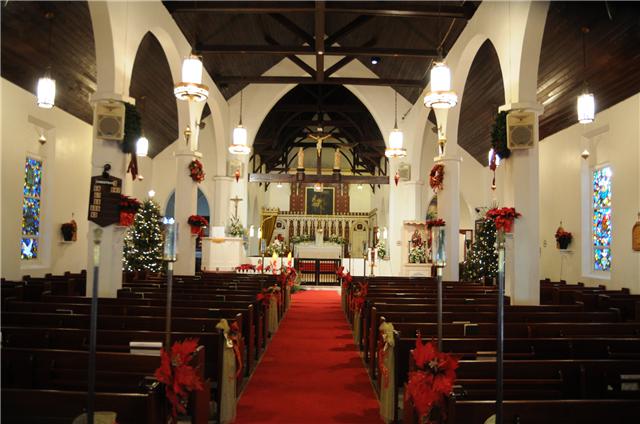
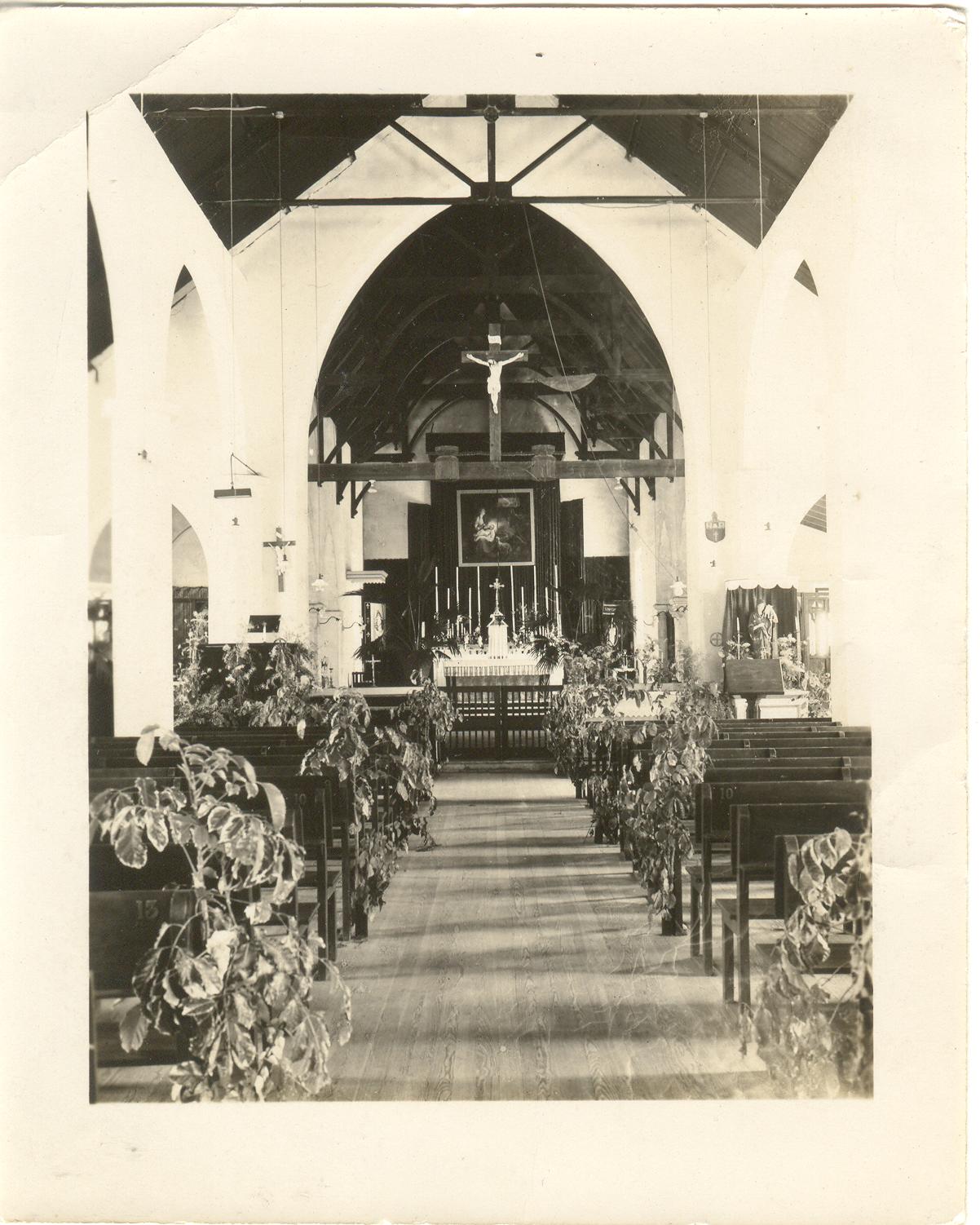
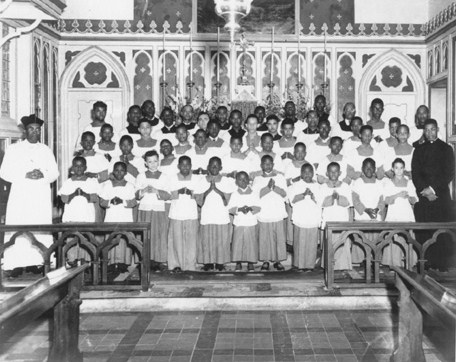
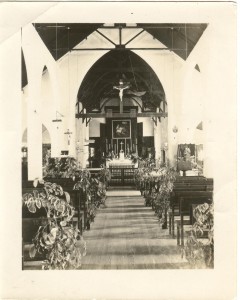
Reverend Herbert George was Rector from 1925 to 1936. During his tenure the Church was destroyed during the 1929 hurricane. During the time that the Church was being renovated, services were held at the schoolroom and at the Woodcock School. The newly renovated Church included the enlarged nave and other changes shown in the 1952 and 2009 pictures below.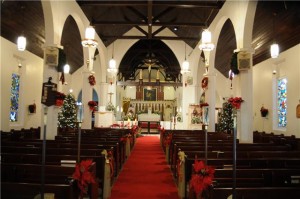
Bahamian Rectors of St. Agnes Church
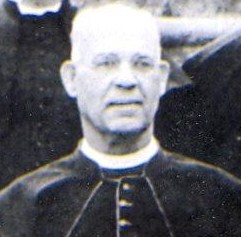 Canon George Loran Pyfrom was born on 16th April 1883, the only son of George Loran Pyfrom, a pineapple farmer, and his wife Elizabeth of Governor’s Harbour, Eleuthera. They also had three daughters, Lucilla, Ella and Meta. George Loran was a young boy when his father died and he was greatly influenced by Reverend Charles Smith who was then the Rector of St. Patrick’s Church, Governor’s Harbour.
In 1902 George Loran and one of his sisters came to New Providence where he ran the Church’s bookstore. He worshipped at the Church of St. Mary the Virgin on Virginia Street, and was a member of the serving choir. In 1911 he went to England to study theology at Dorchester College. In 1913 he was ordained Deacon at St. Paul’s Cathedral, London.
After his return to The Bahamas he was ordained to the Sacred Priesthood on 17th July 1915, by then Bishop Wilfred Hornby, at St. Mary’s Church, Virginia Street. After his ordination he was sent to Long Island where he served for twenty-two and a half years, travelling the length and breadth of the 70 mile Island by horseback, sometimes accompanied by his wife, Ethlyn, who was from Simms, Long Island. In 1931 he was appointed as a Canon of Christ Church Cathedral He was honoured as a member of the Most Excellent Order of the British Empire (MBE) in 1935.
Canon Pyfrom was appointed as Rector of St. Agnes in 1936. He was loved by his parishioners and well known for his emotional sermons. Below is a quote from an article written by his son Roscow Napier and recorded in “The Voice of the Church”. Lent 1988:
The beauty and dignity which still surround the services at St. Agnes are a reflection of Canon Pyfrom’s high standards for correctness and proper decorum and his passion for dignified ceremonial. He often affectionately referred to St. Agnes as the Pro Cathedral. The people of St. Agnes responded with affection and enthusiasm to Canon Pyfrom’s ministry among them, and together they built St. Agnes into a very vibrant institution and it most certainly became one of the leading parishes in the Anglican Church in The Bahamas.
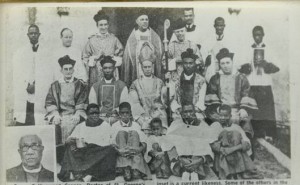 Canon Pyfrom made plans for extensive improvements to St. Agnes; however, due to ill health, he resigned in January 1947. He died on 2nd January 1950, five months after the passing of his wife. Their children were George Loran III, LaGloria, and Roscow Napier.
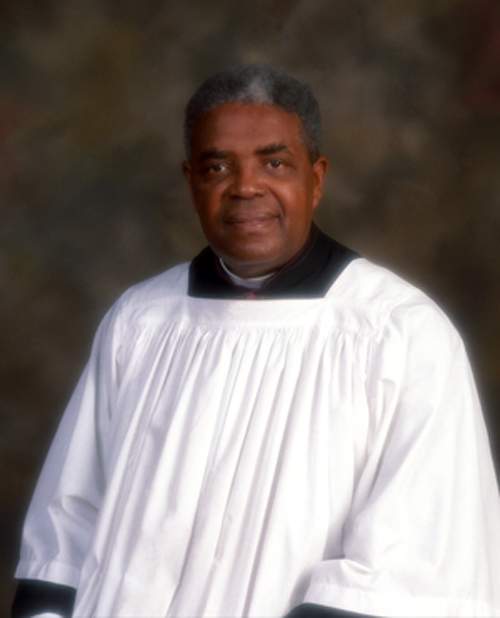
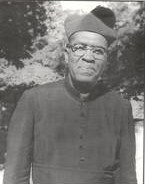 Canon Milton Edward Cooper was born in Exuma on 25th May 1903. He was the first Bahamian to go to Codrington College in Barbados. He was ordered Deacon in 1928 and served at churches in Cat Island, Long Island and Andros before his appointment as Rector of St. Agnes. He was made a Canon of Christ Church Cathedral in 1950. Archbishop Drexel W. Gomez, who was an acolyte when Father Cooper came to St. Agnes, recalls that he was always impressed with the attractive manner in which Father Cooper conducted services. Many persons who were not Anglicans used to come to Stations of the Cross at St. Agnes to observe how he conducted the service. Father Cooper had an outstanding tenor voice and people also came to Evensong on Sundays to hear him sing the Divine Praises.
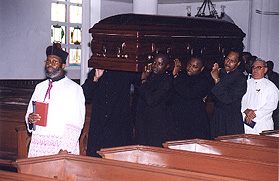
 Father Cooper encouraged many young men to become priests, prominent among them being: Archbishop Drexel Gomez, the late Archdeacon William Edward Thompson, Bishop Gilbert Arthur Thompson, the late Archdeacon Murillo Bonaby and the late Canon Dudley Strachan. Archbishop Gomez states that Father Cooper was the person who solidified the parishes. When he preached his last sermon at Evensong on 11th June 1967, Father Cooper quoted the first line of the A&M Hymn 271: “O Jesus I have promised to serve thee to the end”. He left the pulpit, took his seat in the Sanctuary and quietly died.
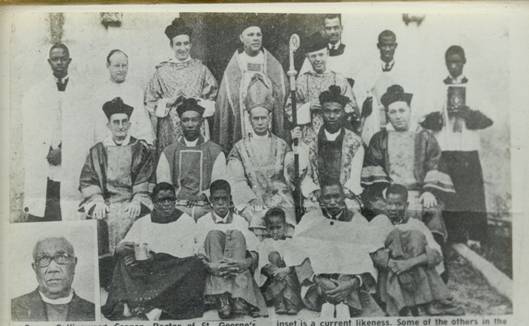
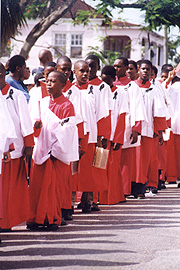
He was married to the former Gwendolyn Ramming and their two sons are Christopher, who resides in Freeport, Grand Bahama and Paul. Canon Cooper and Father John Taylor are pictured at left and right respectively in the above picture with Acoyltes.
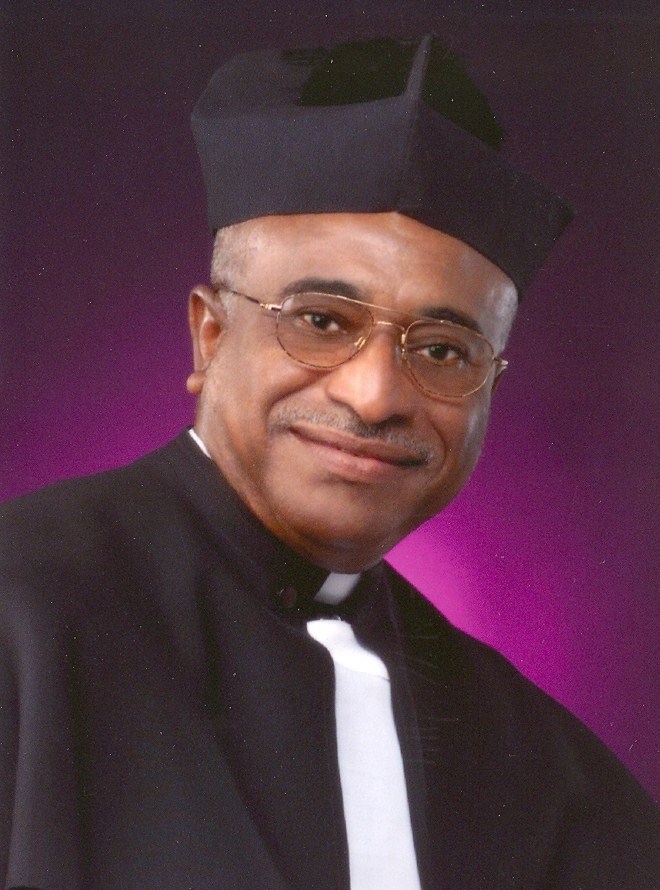
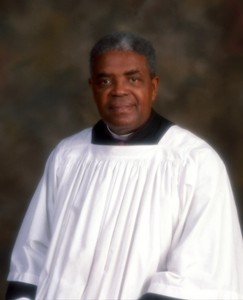 Archdeacon William Edward Thompson, OBE was born in Eleuthera on 17th December, 1933. He was the oldest child of William Edward and Corene Thompson (née Hutcheson). Father Willie, as he was affectionately called, was educated at the St. Agnes Day School, the Western Preparatory and Junior Schools and St. John’s College. He was one of Canon Milton Cooper’s protégés and entered Codrington College in 1952. He obtained an Honours Degree in Theology as well as a Masters Degree in Theology from the University of Durham, England.
He was made a Deacon in Barbados on 21st December 1956 and ordained to the Sacred Priesthood at Christ Church Cathedral on 21st December 1957. He travelled throughout The Bahamas in his capacity as Diocesan Missioner. He was Priest in Charge of Exuma from 1958 to 1961. He subsequently returned to New Providence and taught Latin, English and Religious Studies at St. John’s College. In 1967 he succeeded Canon Milton Cooper as Rector of St. Agnes and retired in December 1999, having served for thirty-two years.
Father Willie followed Canon Cooper’s example and mentored many young men whom he encouraged to enter the priesthood namely, Keith Cartwright, I. Ranfurly Brown, Laish Boyd, the late Brian Colebrooke, Charles Simmons, Andrew Toppin, Roland Hamilton, and others.
During his time at St. Agnes, Father Willie was made a Canon of the Cathedral, Archdeacon, Vicar General and Sub-Dean of the Cathedral. He served the Church as Chairman of the Anglican Central Education Authority, and in many other capacities both locally and internationally. He also served on the Anglican Consultative Conference which is made up of bishops, priests, and lay persons throughout the Anglican World Communion. Father Willie was regarded by many as a Bahamian National Treasure.
Father Willie was married to the former Rosemarie Bailey. He was a sports enthusiast and in 1995 the softball field in the Southern Recreation Grounds, just North of St. Agnes Church, was renamed in his honour as the Archdeacon William E. Thompson Softball Park. Tragically, he was shot by an intruder at the St. Agnes Rectory and died a few weeks later on 23rd June 2000.
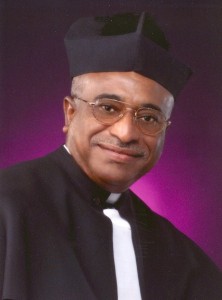 Father Simeon Patrick Johnson (Father Pat) was born in Gregory Town, Eleuthera, on 3rd November 1950. He attended primary school in Eleuthera and later came to New Providence where he attended St. Augustine’s College. He worked at the Public Treasury in New Providence and Grand Bahama and subsequently at El Casino in Freeport. However, from early childhood Patrick always felt the call to serve God and, after much prayer, he gave up his lucrative employment at the Casino to study for the Priesthood at Codrington College. Upon his return to the Bahamas Father Pat was posted at several churches in the Family Islands and New Providence, prior to taking up his appointment at St. Agnes on 1st March 2000. He died suddenly on 15th December 2005. He was married to the former Ethel Bethel and they have two daughters. Sonja is married to Kendyce Moss-Moultrie and they are the parents of a son and daughter, Kaleb and Kaiden. The Johnsons’ second daughter, Shaundica, is married to N’Krumah Vontez Edwards.
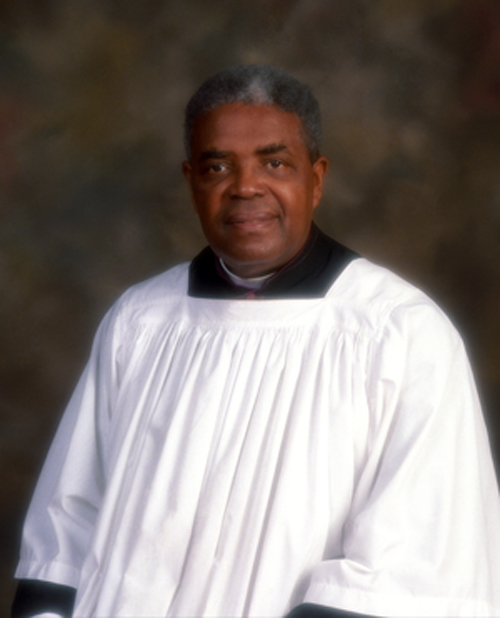
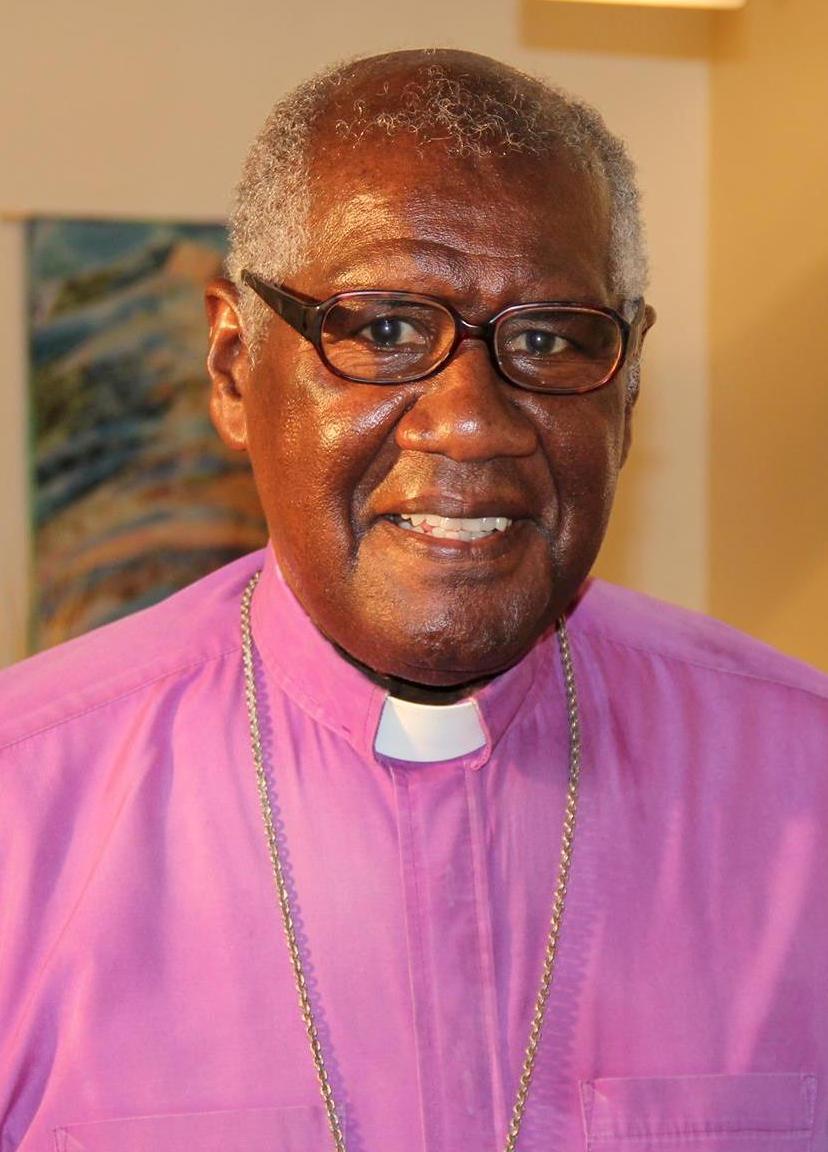
In the interim, between Fathers Johnson’s death and the appointment of Archdeacon I. Ranfurly Brown, Bishop Gilbert A. Thompson served as Rector pro tempore 2006-2007.
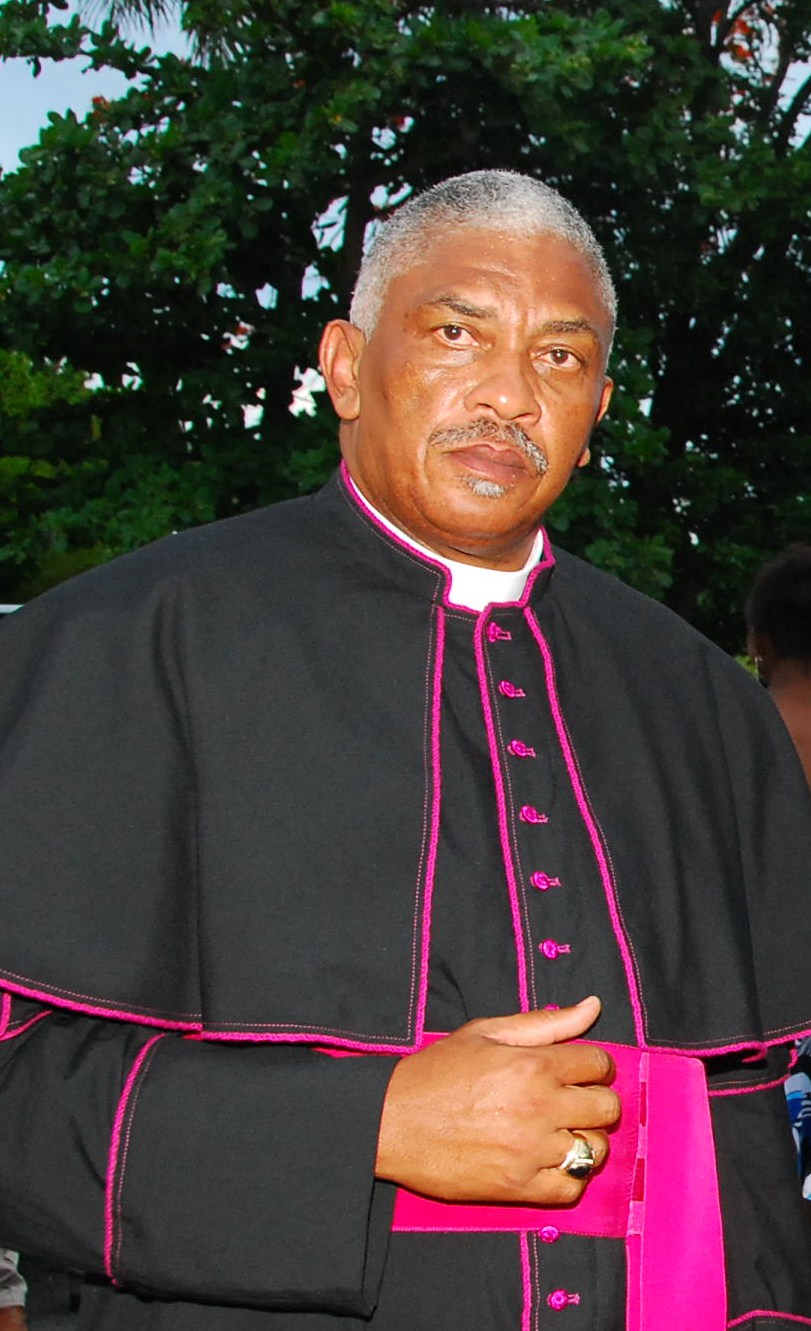
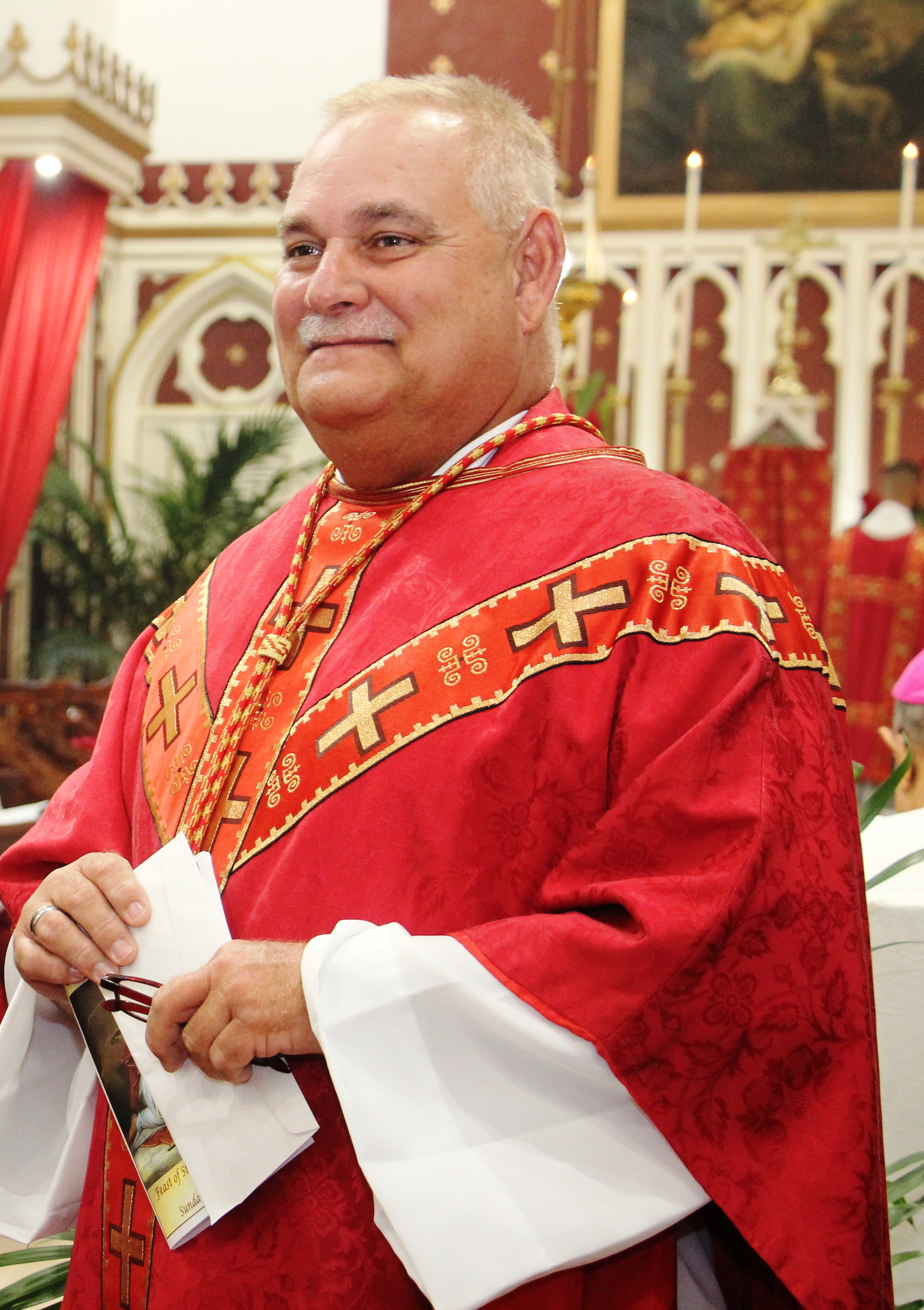
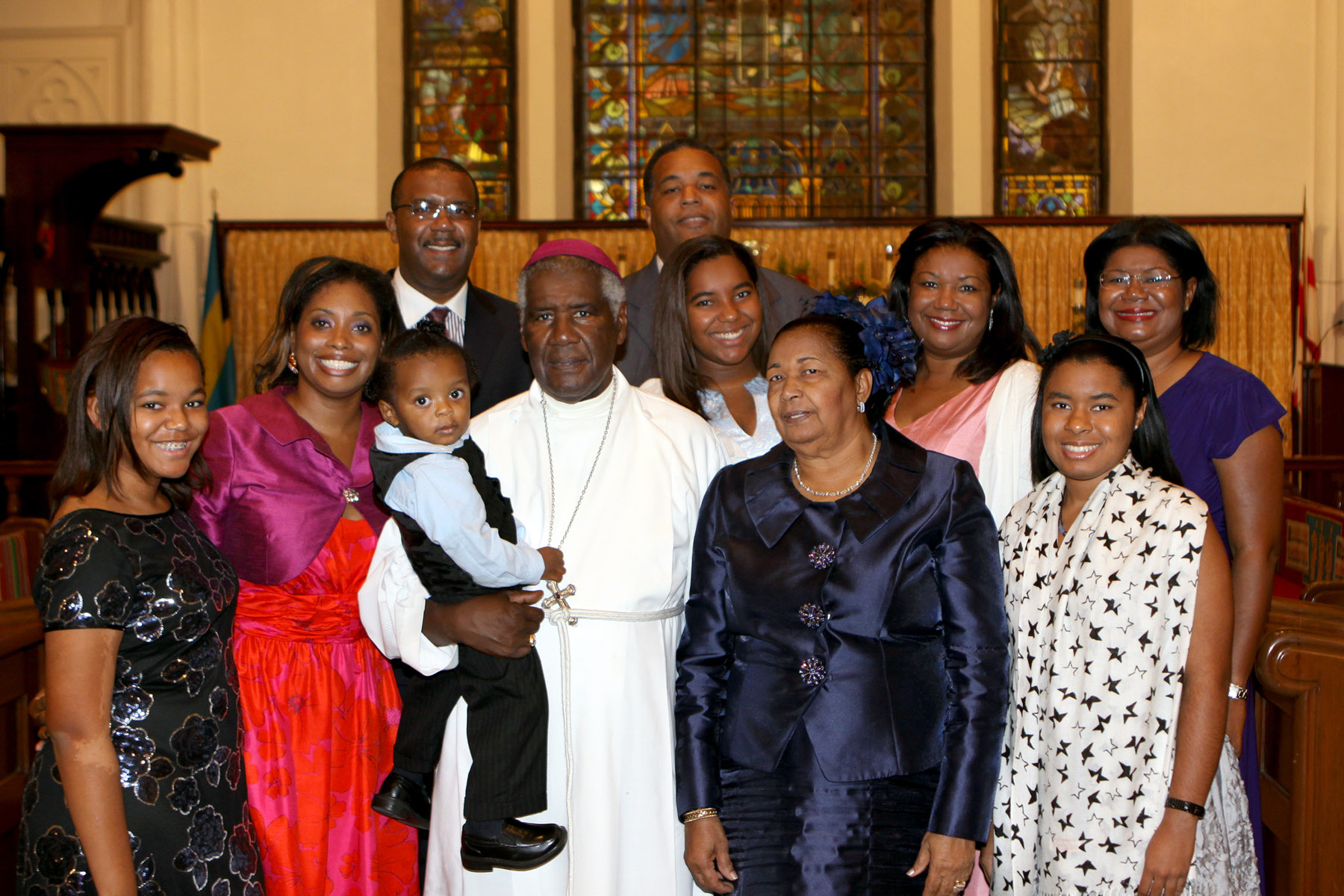
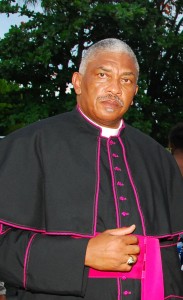 Archdeacon I. Ranfurly Brown was installed as Rector of St. Agnes on 1st February 2007. A “Son of St. Agnes”, he served as an altar boy under Canon Milton Cooper and also under Archdeacon William E. Thompson. Archdeacon Brown attended Queen’s College. He attended Codrington College and graduated with a Licentiate in Theology from The University of The West Indies. He also studied Urban Ministry at Colgate Divinity School in Rochester, New York and obtained a Master of Arts degree from Princeton Seminary in New Jersey.
He was made a Deacon on 24th June 1977 and ordained to the Sacred Priesthood on 24th June 1978. He served as Rector of the Parish of Our Lady and St. Stephen in Bimini from 1980 to 1988 and as Rector of Christ the King Parish in Ridgeland Park from 1988 to 2007. He was appointed a Canon in 1996 and as Archdeacon in 1998.
Archdeacon Brown is married to the former Olga Maria Rolle. Their two sons, Michael and Ian, serve in the Sanctuary as members of the Guild of St. Ambrose. A third son, I. Ranfurly Brown II, is deceased.
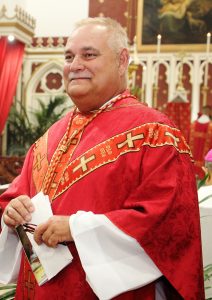
This is an update to include Archdeacon Keith Cartwright, another Son of St. Agnes, who succeeded Archdeacon Brown in…….
St. Agnes Influence Abroad
The historic St. Agnes Episcopal Church in Miami, Florida had its beginnings as a result of the washtub singing of a former member of St. Agnes Anglican Church in Grant’s Town. To quote from “The Historic Saint Agnes Episcopal Church”:
“Saint Agnes Episcopal Church, one of Miami’s oldest and largest churches had its origin in October 1897. The Reverend James O S. Huntington late Father Superior of the Holy Cross came to the Miami area accompanied by two monks to supply the religious needs of the Episcopal Church until a priest was called to replace them.
One day while Father Huntington was visiting at the home of the late John Sewell he was attracted by the voice of Mr. Sewell’s washwoman, Louise Newbold. Mrs. Newbold, a Bahamian by birth was singing lustily the hymn, “The Church Is One Foundation”, to ease the burden of her chore. Father Huntington approached Mrs. Newbold and asked if a church existed in the area where Colored Anglicans could worship. She answered no, but told him there were scores of Anglicans in Miami who desired to worship in a way which they were accustomed. Father Huntington requested that Mrs. Newbold invite some of her friends to a meeting on the following Sunday. She complied.
“Thirty members assembled with Father Huntington in a private home located on North West 2nd Avenue near Flagler Street, then known as Avenue C and 12th Street. It was then that an idea “born in a washtub” became a reality.
“The founders chose the name of Saint Agnes for the new Church because the majority of them had been members of the popular and vigorous Saint Agnes in The Bahamas. When Father Huntington wrote to Bishop William Crane Gray to inform him of his meetings, he stated that he found the people to be quite intelligent and comfortable with the worship service.”
St. Agnes, Miami is designated as a local historic site. Two other Episcopal churches, The Church of the Incarnation and The Church of the Transfiguration, have come out of St. Agnes, Miami. As well, St. Paul’s Episcopal Church is a mission of St. Agnes. The current Rector of is Canon Richard Livingstone Marquess-Barry, who was born in Miami of Bahamian parents. Bahamian, Father Denrick Rolle, is now at St. Agnes and he is expected to succeed Canon Barry as Rector in December 2012.
The late Fathers James Edden of Lewis Street and Bruce Williamson of Blue Hill Road, who were both members of St. Agnes Church, served as priests in the United States as did Father John Taylor, who was a former Curate at St. Agnes. Father Taylor’s home Church was St. Mary The virgin. Father Charles Simmons, a protégé of Archdeacon William Thompson, is the Rector of St. Andrew’s Episcopal Church in the Bronx, New York.
Dr. Joseph Robert Love
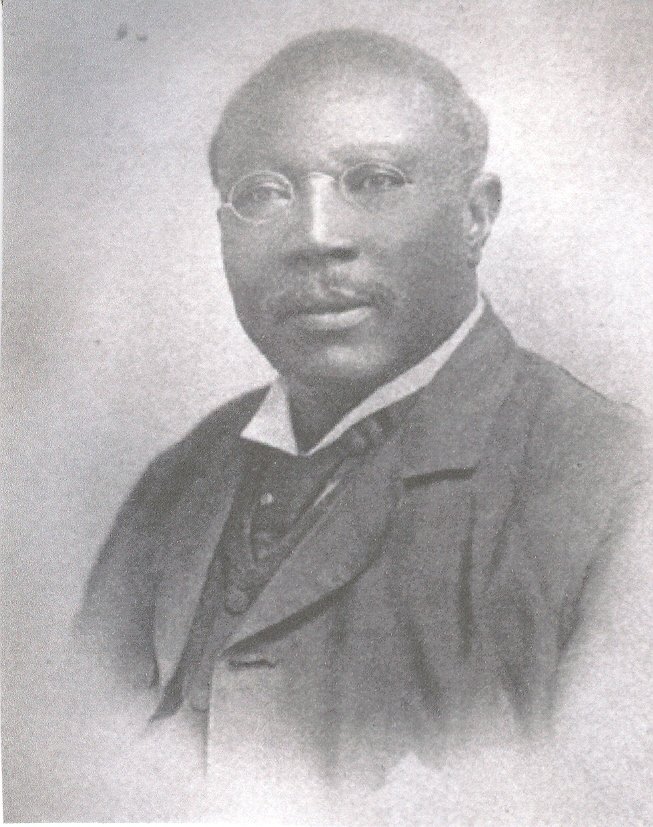
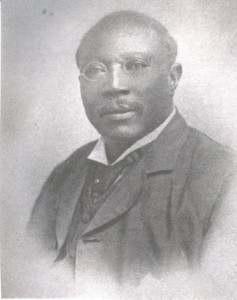 Dr. Joseph Robert Love was the grandfather of the late Vera Love and great grandfather of the late Cynthia Love, who were both lifelong active members of St. Agnes Church. Another of Dr. Love’s great granddaughters, Gloria Archer, lives in Freeport, Grand Bahama. Dr. Love was born in Nassau in 1839. He grew up in Grant’s Town and was a member of St. Agnes Church. He moved to the United States in the 1860s and became a priest in 1877.
 In 1879 Dr. Love became the first black medical graduate of the University of Buffalo. He went to Haiti in 1881 as a medical missionary. In the 1880s many black West Indians went to Haiti in search of work as they felt more comfortable living in a Black Republic, where they would not be discriminated against by Colonialists. Dr. Love was among a number of foreigners who became involved in Haitian politics. He later moved to Jamaica where he also became active in politics and published a weekly paper the Jamaica Advocate. He was elected to the Legislative Council in 1906 and served in other high offices in Jamaica. Dr. Love was a proud black man and he always encouraged black Jamaicans to become involved in politics. Marcus Garvey, the Jamaican Black Nationalist Leader, was influenced by the writings of Dr. Robert Love, who died in Kingston, Jamaica in 1914. The bust of Dr. Love was created and photographed by Andret John.
© Copyright Rosemary C. Hanna 2013
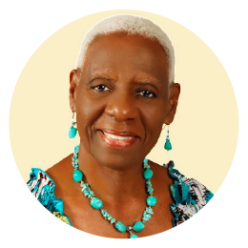
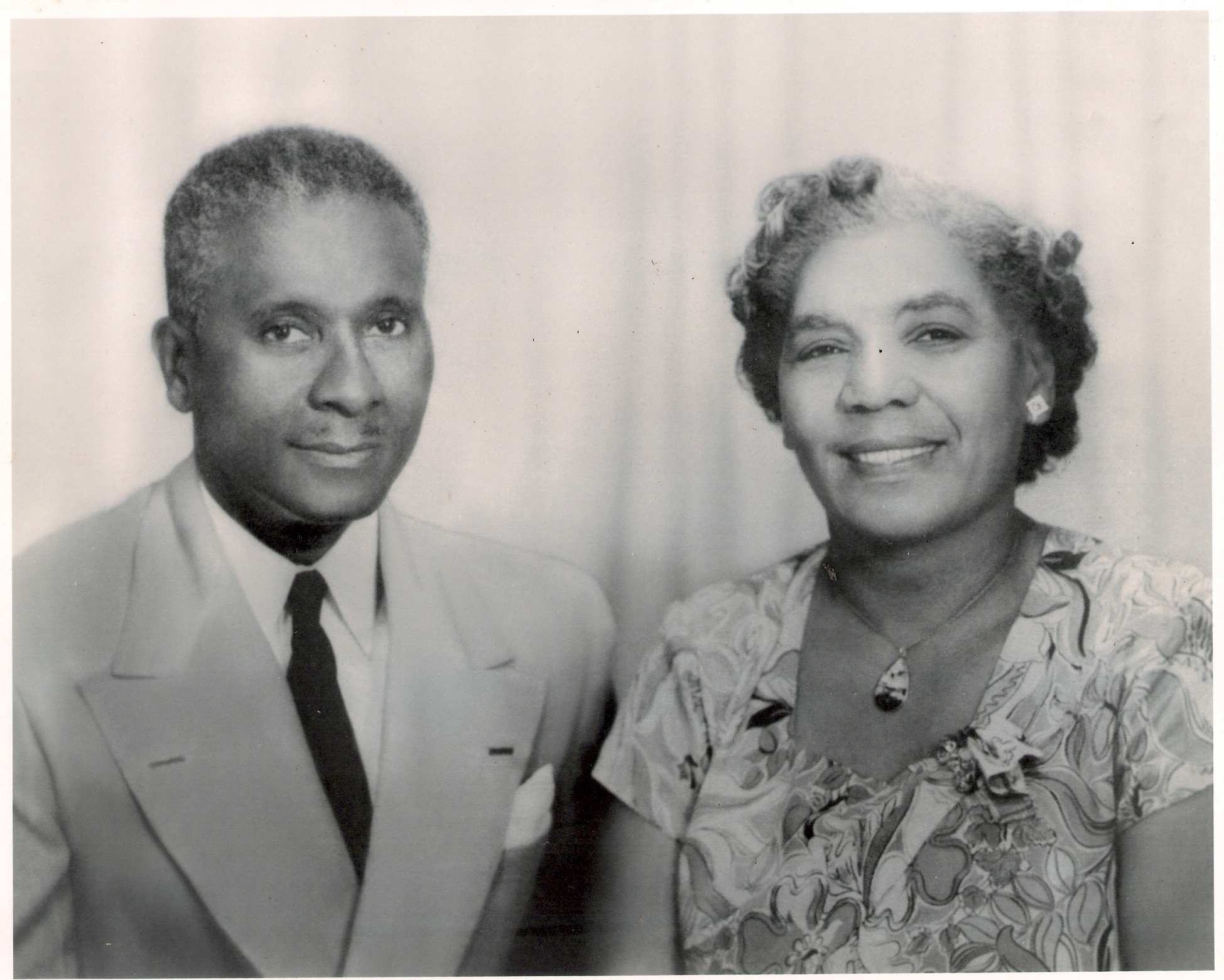
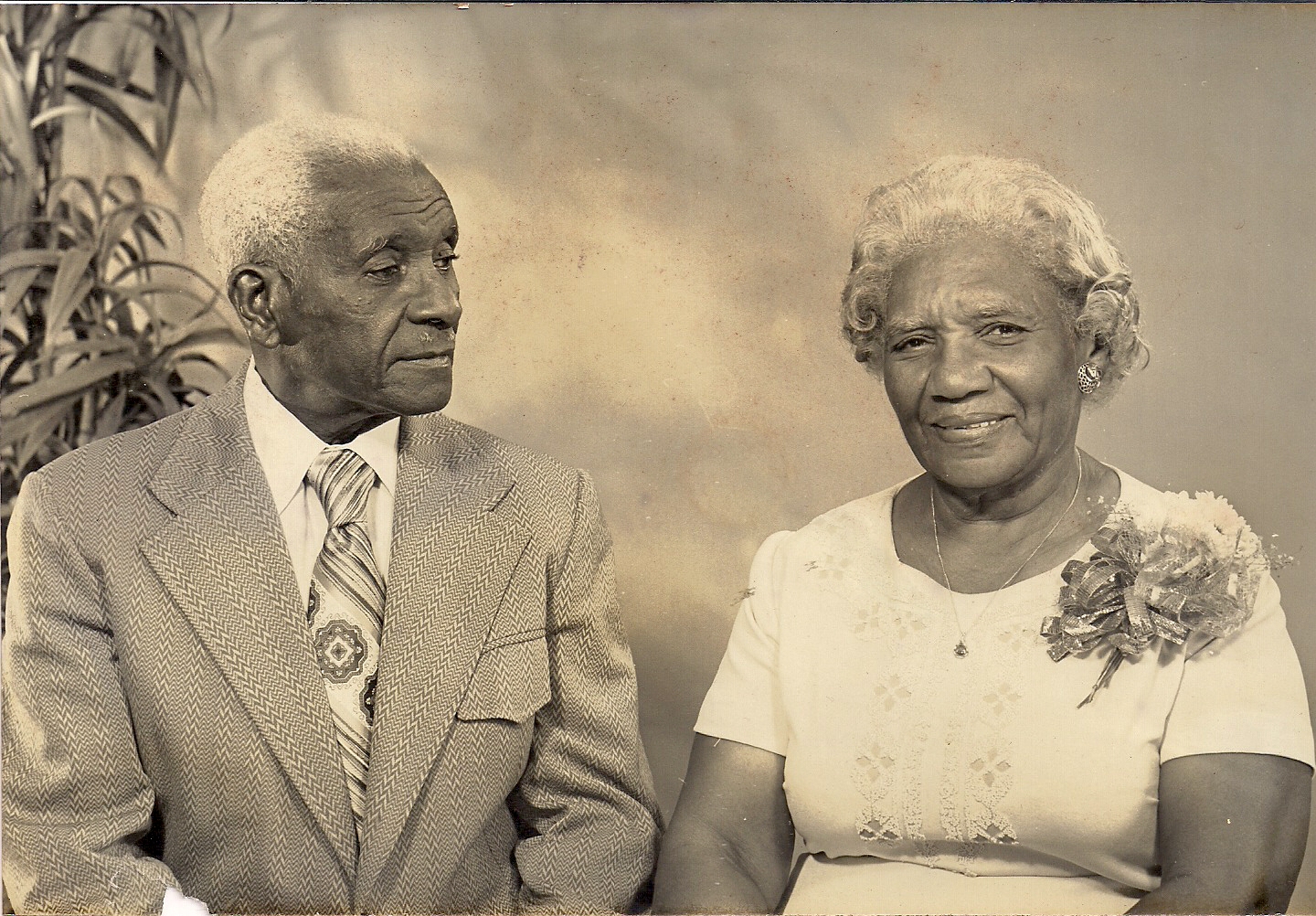
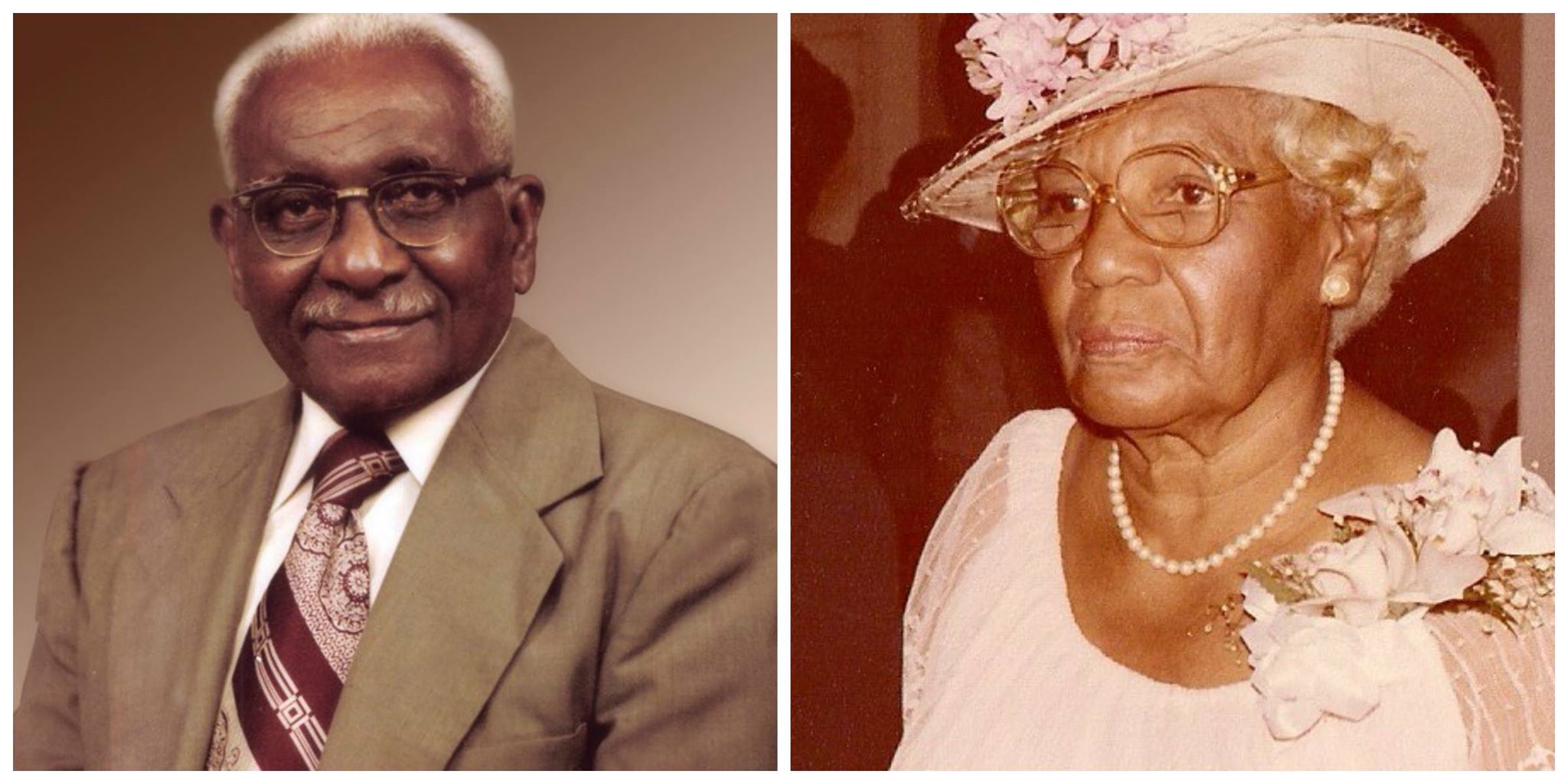
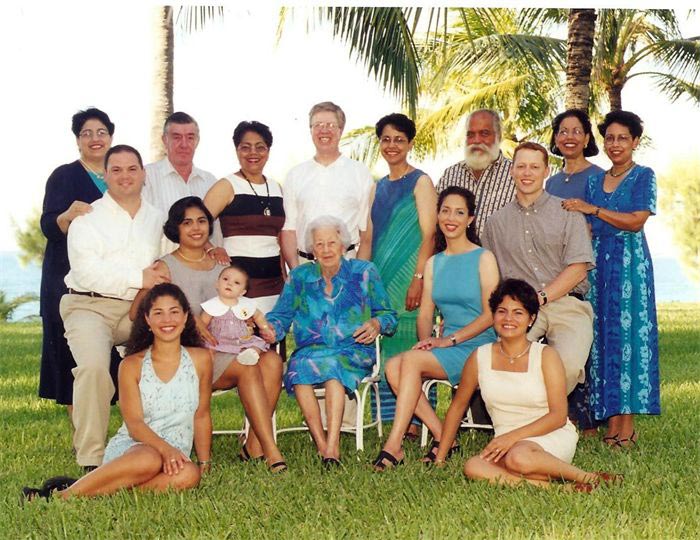
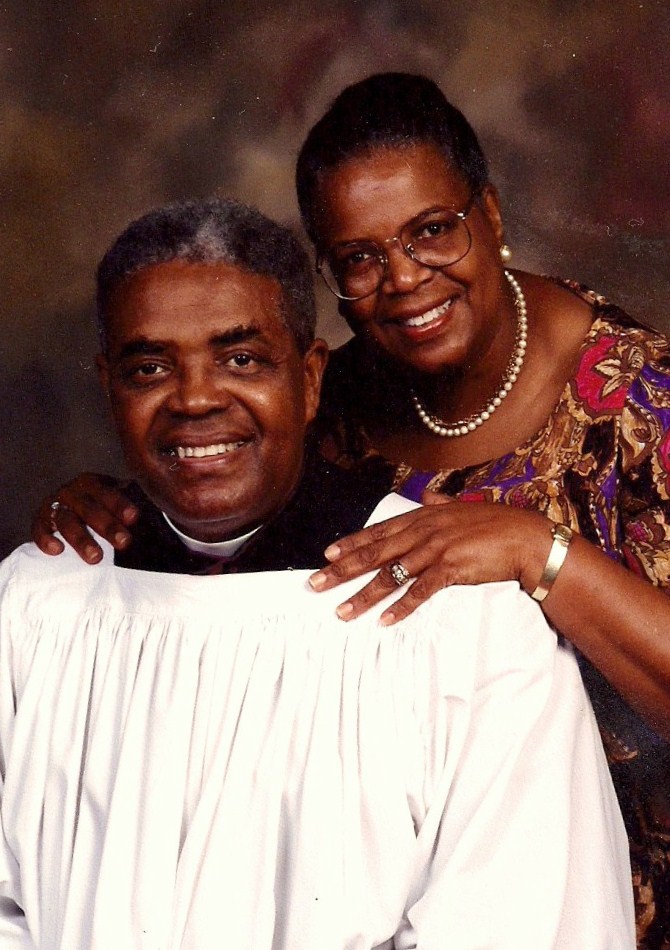
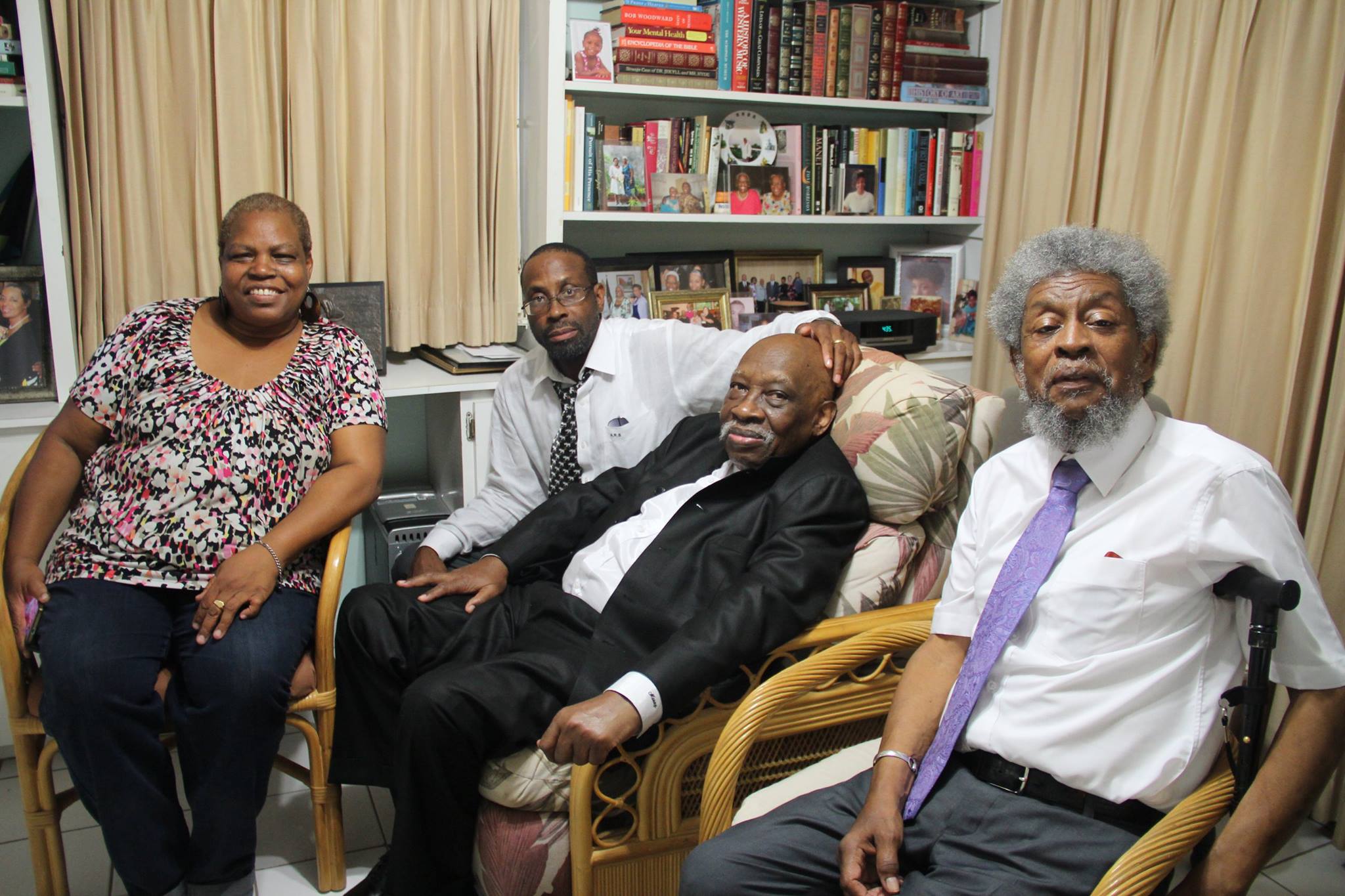
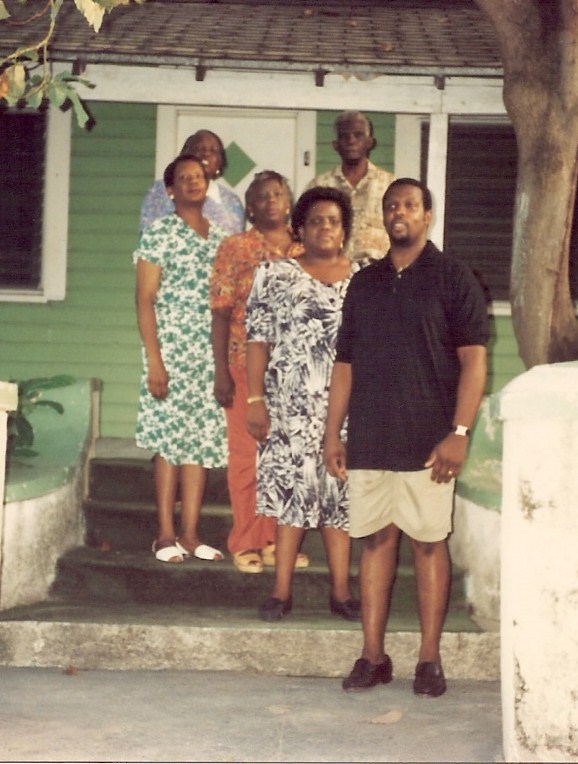
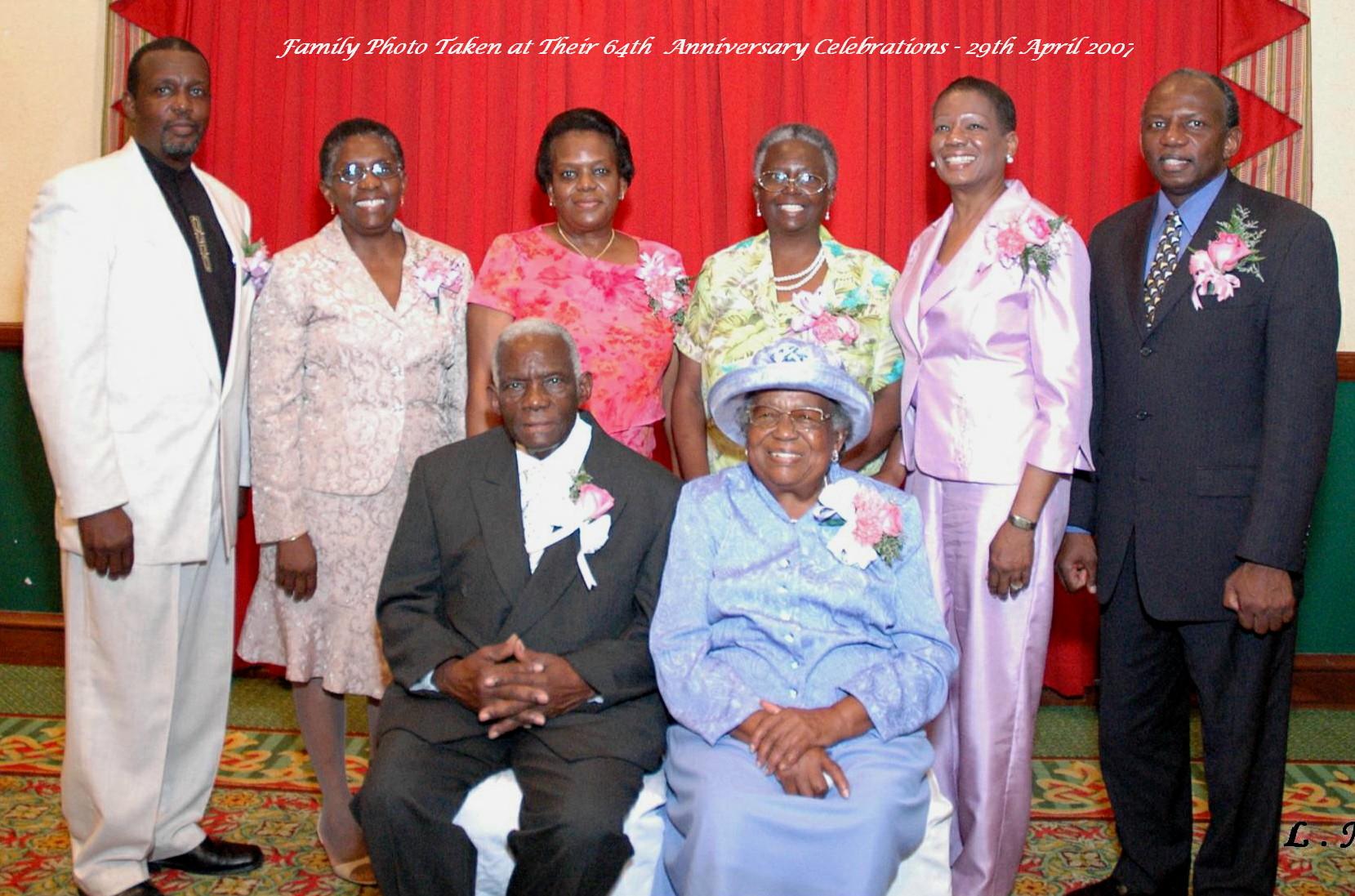
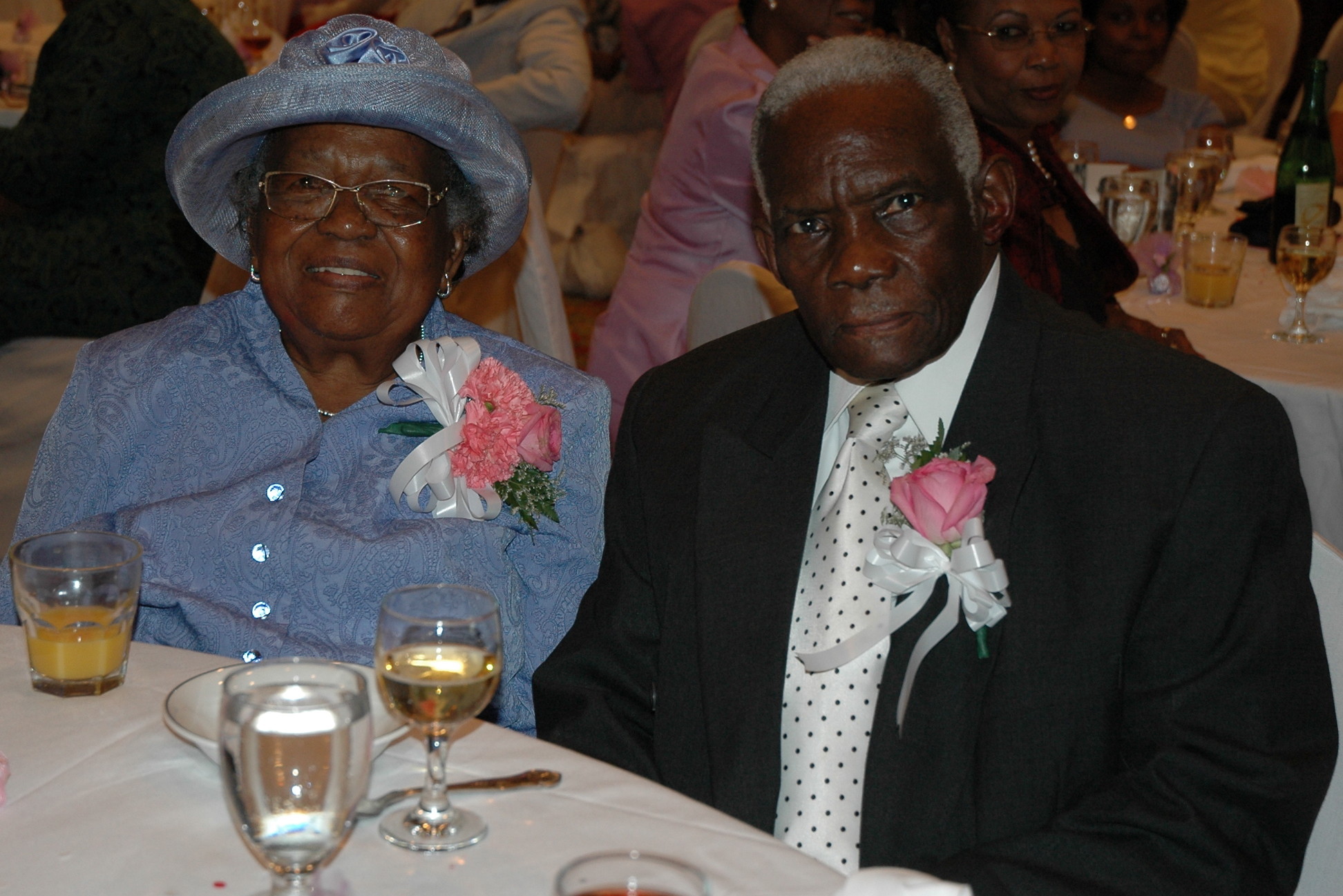 The Percival (Percy) Blyden Family lived on the south side of Lewis Street opposite St. Agnes Church. Mrs. Sybil Blyden was a member of the Nicolls family from Tin Shop Corner in Grant’s Town. She was the third of eleven children in her family. The Blydens later moved to Farrington Road. The picture at left was taken at their sixty-fourth wedding anniversary. Mrs. Blyden was baptized at Wesley Grant’s Town Methodist Church where she was actively involved until in 1964 she became a founding member of St. Michael Methodist Church, where she was also involved in every aspect of the Church. Mr. Blyden was a member of St. Agnes Church.
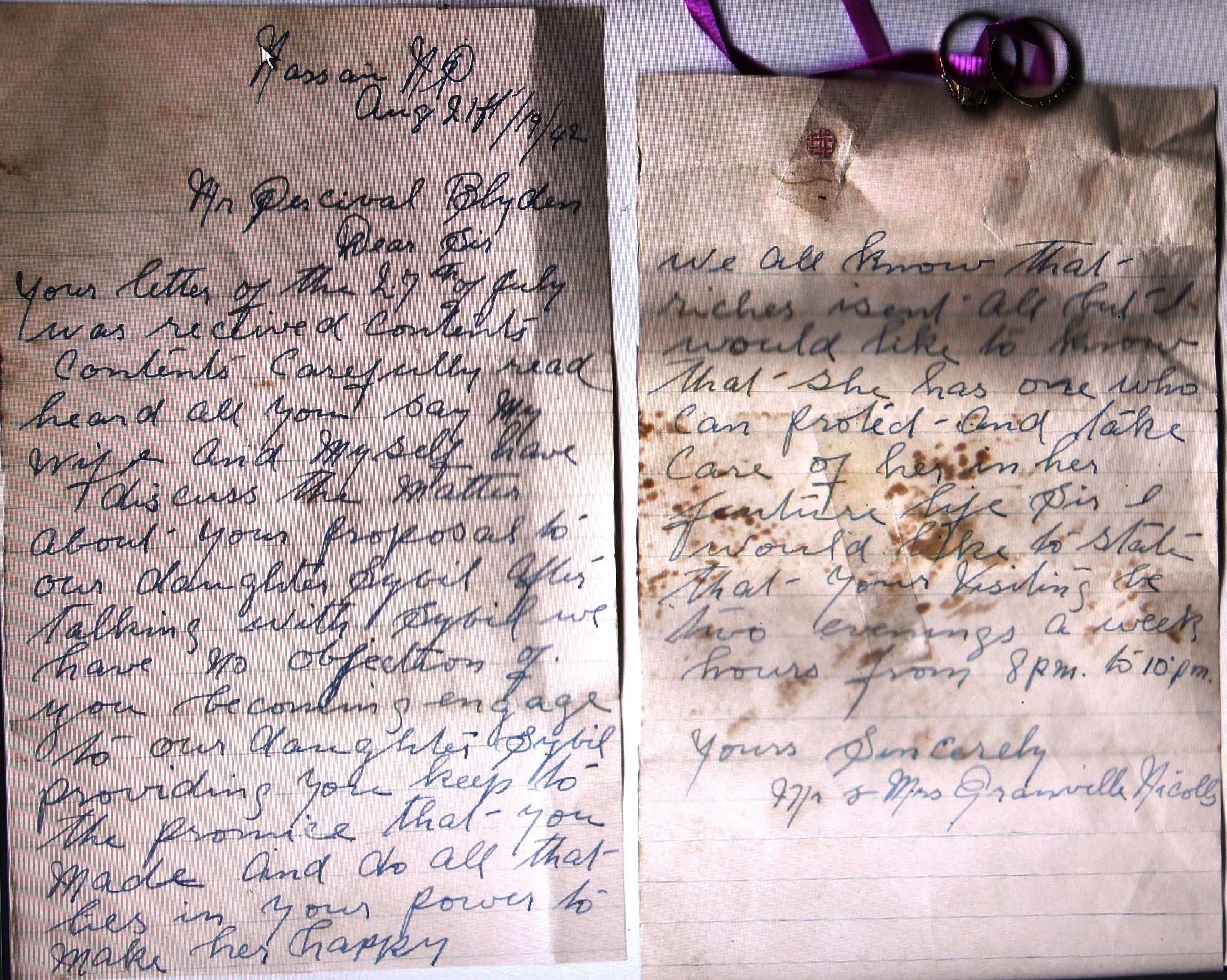
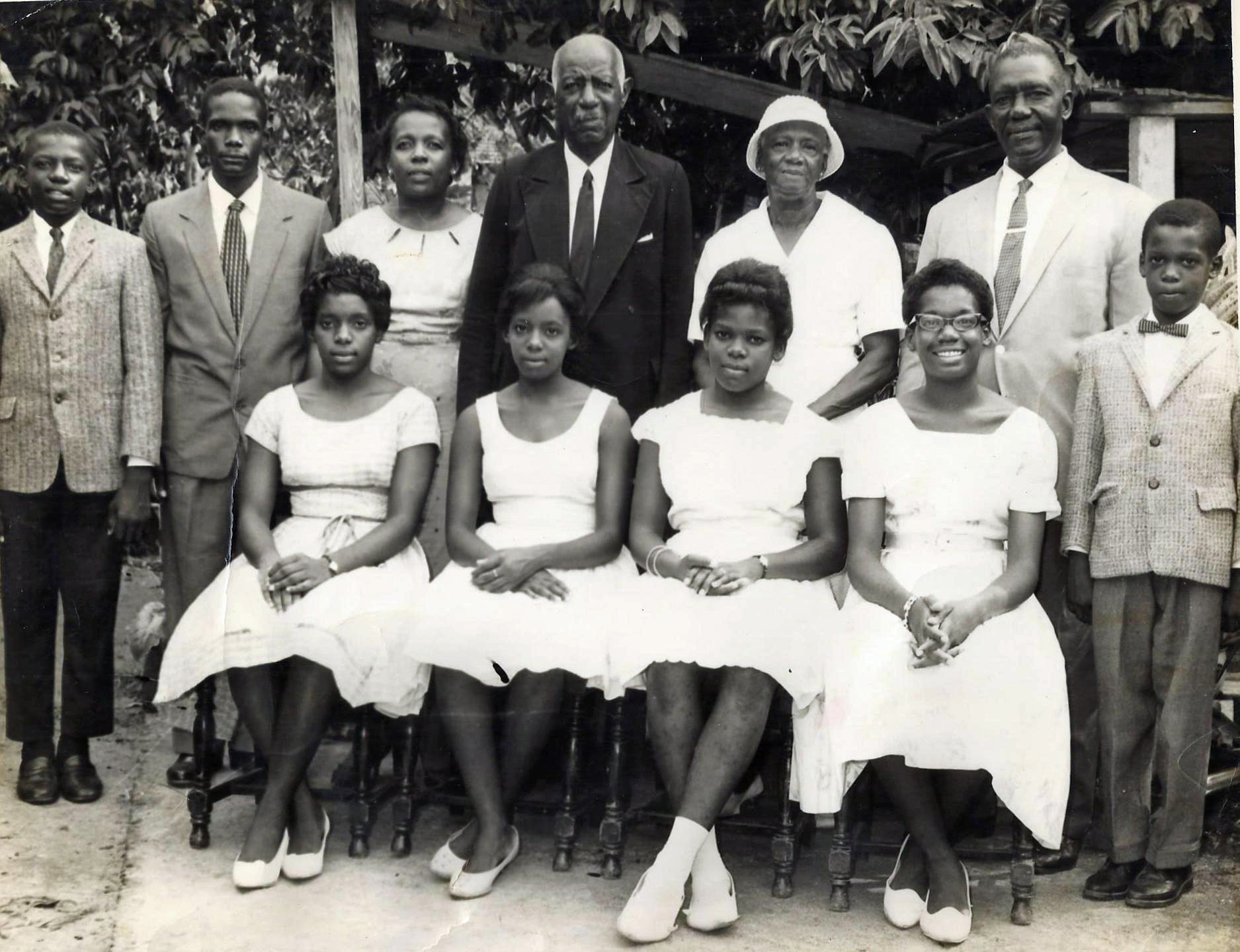 I knew the Blydens all of my life and attended Sunday School with their children at St. Agnes. However, I got to know Mr. Blyden better when we were part of a church group that travelled to the Holy Land in the early nineties, and we became good friends. Percy and Sybil were married on 29th April 1943. When I visited with them a few years prior to their deaths, Mr. Blyden very proudly showed me the original framed “visitation” letter that he received from Mr. Nicolls giving permission for Percy and Sybil to be engaged and setting visiting hours at two evenings per week from 8:00 – 10:00 p.m. The Blydens had six children: Veta Brown, Calliope Williams, Persis Hepburn, Dr. Gershwin, Louise and John.
 Percy was a carpenter and he worked for a number of the large construction companies, including McAlpine, Sunco Builders and, Cavalier Construction where he held the position as site foreman. He was a quiet gentleman who grew just about everything in the dense garden on the eastern side of his yard at Farrington Road including rose bushes, other flowering trees, avocados, breadfruit, plums, bananas, sapodillas, citrus and many others. On a few occasions I rambled through the garden with him as he showed and shared his crops with me.
 Sybil initially worked as a seamstress, and later as an Assistant Teacher at Woodcock Primary School. However, at the age of 38 years, with six children, and with the full support of her husband, she undertook to become a fully qualified teacher. This meant that after a full day’s work teaching she got on her bicycle and went to evening classes in order to prepare herself. It did not bother her that she was the most mature among the many young students. She successfully obtained her professional qualifications at The Bahamas Teachers’ College and the Maria Gray College in England, and rose to become the pioneering Principal of the Stapledon School for the Mentally Retarded. A special site was designated on the Stapledon School grounds for a building to be constructed in honour of Mrs. Blyden in 2008, prior to her death. The building was subsequently constructed, commissioned and officially named in April 2010. She received the Queen’s Certificate of merit and the Victor Sassoon Golden heart Award in 1971. One of the streets in the Millennium Gardens Subdivision is also named in her honour.
 Veta is a Health Management consultant. She is married to Granville Brown and they have two children, one daughter and one son: Gravette and Gerard. Calliope is a High School Guidance Counsellor in New York. She is married to Darwin Williams and they have no Children. Persis is employed at the Eugene Dupuch Law School as a secretary. She is married to William Hepburn, Sr. and they have two sons: William II and John, two grandchildren twins, Kyle and Katherine. Gershwin is a medical doctor practicing in Miami, Florida specializing in Hematology and Oncology. He is married to the former Donna Russell and has one son Gershon. Louise is employed as an Accounts Supervisor at the National Flag Carrier, Bahamasair. She has one son Lamon and one grandson Jaden. John is employed at Chekard as the Office Manager. He is married to the former Princess Butler and they have three children: one daughter Johnneice Blyden-Williams, two sons Percy “PJ”, Prince, and one son-in-law Robert Williams. John is a member of the Senior Choir and a soloist at St. Agnes.