By Orville A. Turnquest (A Grant’s Town Boy from Over-Da-Hill”)
The story of “Over the Hill” is the story of the history of a proud and aspiring people. It is the story of freed slaves from West Africa who settled in a new land across the Atlantic Ocean. It is a story of the preservation of many aspects of an ancient culture, and the acquisition of modern skills, and quality education, in order to achieve success in a new land. It is a story of an entire area in the centre of this Island which was a distinct Settlement known as Grant’s Town, and which was once the mecca of future leaders, builders, educators, politicians, business and professional people, as well as ordinary artisans and workers, all of whom lived there and developed a fine record of black families and developing neighbourhoods.
But that reputation has changed in recent decades, as “Over the Hill” is, sadly, fast becoming a symbol of the deterioration of those same neighbourhoods “Over the Hill”. And so it is important that we do not forget from whence we came. It is also important that as we recall where we have come from we should reflect from time to time on who we are.
The Nassau Guardian, one of our two daily Newspapers, was founded in 1844; and 5 years ago, in the year 2004 when that Newspaper celebrated its 160th Anniversary, I was invited to comment on the organizational history of that Newspaper, which had operated in the down-town City area since 1844, but moved to its present location “Over the Hill” some 45 years ago. I stated at that time that when the Newspaper was founded by Edwin Moseley in 1844, only about one-quarter of the Island’s total population could read and write – and the very large majority of them were from the white community, comprising the more privileged and economically elite white residents, who lived and worked and socialized in the Town of Nassau. Indeed, it was only a decade earlier that these white residents of Nassau had been legally deprived of their right to own slaves, with the coming into effect of the Emancipation Act of 1834. These white folk never came “Over the Hill” – or, at most, hardly ever; and they were, for the most part, the employers of the “ova-da-hill” crowd, who therefore remained generally docile and subservient to the folks uptown.
And so it was in those early days that if you lived or hailed from an area like Grant’s Town “ova-da-hill”, you were not only a black or coloured person but also underprivileged, and attached with an automatic badge of social inferiority and subservience. Hence, one frequently was dismissed with the assessed and rhetorical condemnation, adapted from the age-old biblical question, “Can any good thing come out of Grant’s Town?”
Geographically, in 1844 when The Guardian was first published, specific areas of New Providence were identified by their districts and separate settlements, each with its own boundaries, its special indigenous features, its particular segment of the population, and its historical origins. The Guardian, like all other business establishments of the day, was then located to the North of the hill range that formed a ridge parallel to the Harbour of Nassau, providing a natural southern and protective boundary to the area of land which then comprised the Town. Indeed, a section of this hill range was the site of Government House, the official residence of the Governor, bearing the rather pretentious title of Mount Fitzwilliam.
All official buildings – starting with Government House, as well as the City’s only bank at the time, all the government offices, the commercial shops, professional offices, the electrical power plant and public works department – all were located north of the hill. Any enterprising resident of “ova-da-hill”, with a flair for trading or artisanship, who decided to go into business for himself, and established his work-place in his neighbourhood, had to contend with being designated by his peers and potential customers as having merely a “petty shop”.
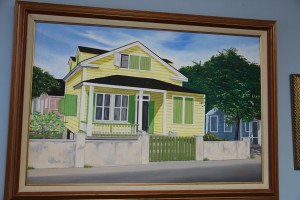 As a proud product of Grant’s Town, where I was born and lived until marriage, my earliest recollections go back to the mid-1930s, and many of the residents “ova-da-hill” were by then generally literate – even if not well-read. There were still only three or four primary schools in the entire area, and all but one of these were then operated by Churches. Woodcock School (which later became Western Preparatory #2) in Hospital Lane south, and St. Agnes “Copper-bread” School at Market and Lewis Streets, were both operated by the Anglicans; and Our Lady’s School further south on Young Street was operated by the Roman Catholic Church, which also catered to children from “ova-da-hill” at its other day school on the grounds of St. Francis on West and Delancy Streets. The only public school “ova-da-hill” operated by the Government was the Quarry Mission School – Western Preparatory – on Nassau Street. The two other Government Schools which accommodated children from “ova-da-hill”, were “Smith’s School (or Western Junior) and “Central School” (or Western Senior, as a successor to the “Boys Central School”).
Apart from being the business and civic hub of the Island, the Town of Nassau was also the residential area of the white and mulatto population, as well as a middle-class minority comprising the racially mixed and most of the then affluent coloured population. As the population grew, these city dwellers correspondingly extended their residences eastwards and westwards from the City limits, along or near the northern waterfront of the Island, but never southwards over the hill ridge…. no, never “ova-da-hill”.
The several distinct and clearly defined neighbourhoods of the mass of the black population also expanded, as their numbers increased, into areas outside the original “ova-da-hill” neighbourhoods into what became known as the new subdivisions. In my boyhood days the different townships of the Island were Grant’s Town, Bain Town, Englerston, Contabuta, Delancey Town, Chippingham, Mason’s Addition, Fort Fincastle, Freetown, the Pond, the White Ground, Poitier’s, Okra Hill, Kemp Road, See-me-no-more, Congo Town, Fox Hill, Sandilands Village, Headquarters (or Carmichael), Gambier, Delaporte and Adelaide Village.
All the well-known, newer, subdivisions of today were later developments of the 1940s and ‘50s …..such as Coconut Grove, Shirley Heights, Culmersville, Sears Addition, Centreville, Westward Villas, Greater Chippingham, Sea Breeze Estates, Pinedale, Nassau Village and Pinewood Gardens. Of the many villages, settlements and towns, those concentrated in the central section of the Island, south of the ridge on which Mount Fitzwilliam was located, collectively comprised the geographical area known and always referred to as “ova-da-hill”. So that “ova-da-hill” was a geographic description — but it was also a culture, a concept, an identity, a heritage, and a way of life.
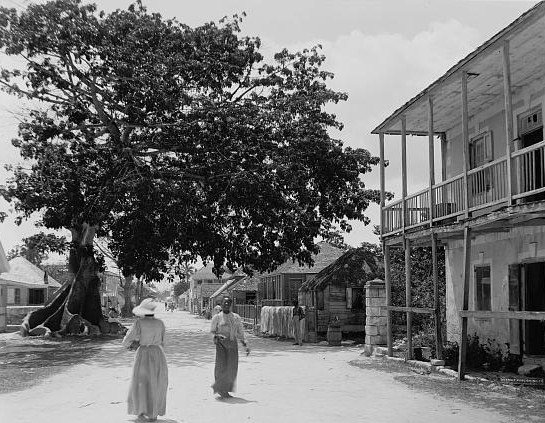
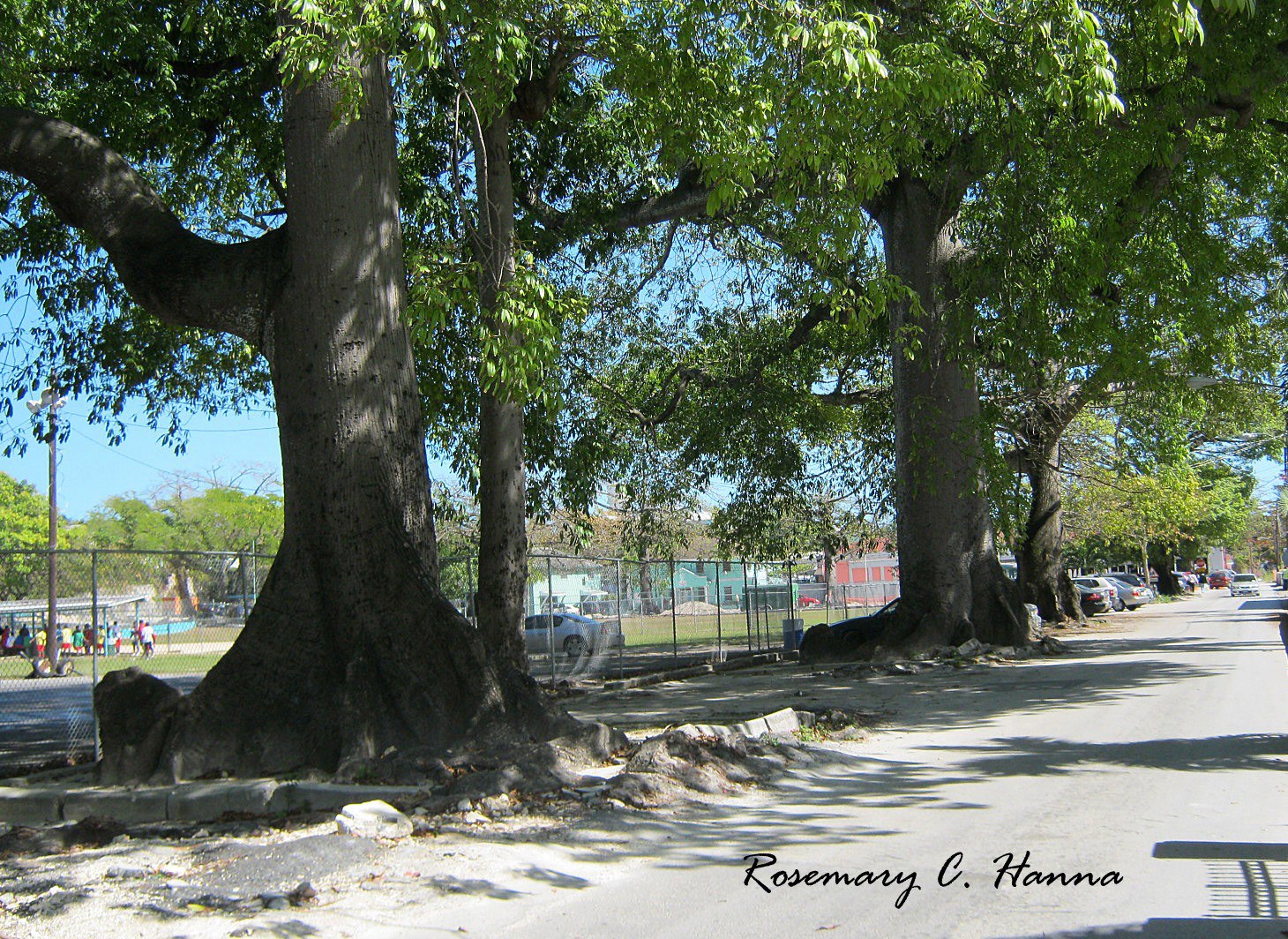
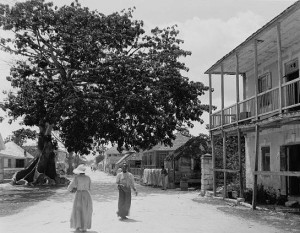 “Ova-da-hill” was the area to which the majority of the population returned at the end of their work day, to their homes and their recreation. It was the location of their Churches, their bars and rum shops (or “bar-rooms” as they were called), their petty shops, their lodge halls and, most significantly, their cotton trees. Huge silk cotton trees lined the side of the main roads leading from the northern hill range southwards to the Coconut Groves and to Big Pond; so that in Grant’s Town as one proceeded southwards from the Southern Recreation Grounds at the foot of the hill, there were not less than seven or eight such giant landmarks, standing as silent sentinels at regular intervals down the eastern side of the road. The only silk cotton tree remaining along Baillou Hill Road today stands at the corner of Cockburn Street, just outside St. Agnes Church. There used to be a popular one, a regular rendezvous, just in front of the “Biltmore Shop”, a general store at the corner of Cameron Street, owned by Mrs. Minna (Frances) Thompson, one of the more affluent women of substance of Grant’s Town. Indeed, “Minna” Thompson, Mrs. Letitia Curry of Hay Street, and Mrs. Lee Laing of Market Street, were the only three ladies “ova-da-hill” who owned motor cars in that era, and they were chauffeur-driven.
In a sense it is a great pity that these majestic cotton trees, towering over Market Street, Baillou Hill Road, Hospital Lane and West Street, had to be taken down for road widening in later years; for these imposing giants served several purposes in addition to the stately aura which they provided to the area. They were regular assembly points for men of the district, particularly after Church, where discussions on every topic took place, and solutions were given for every current political issue or local problem. Shoe shine boys set up their stands on Blue Hill Road, under the cotton tree outside the Biltmore Shop, to earn their livelihood. The grandeur of the cotton trees gave authority and credence to “cotton tree justice” which was dispensed from these venues, for the traditional tribal practice was still prevalent in that period whereby the respected elders of the district dealt with reported neighbourhood wrongdoing. They received the complaint, heard the evidence of the various witnesses and persons concerned, and handed down their summary judgment which was always accepted, otherwise neighbourhood ostracism was the penalty. The trees pictured below are on Cockburn Street on the southern border of the William E. Thompson Baseball Field.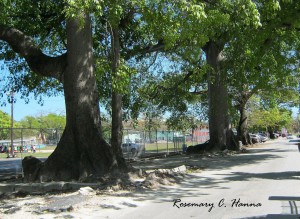
There is not much heard about “cotton tree justice” these days, but it was quite a feature of “ova-da-hill” life in times past. Young boys, in particular, who where caught, or reported, for cursing, pilfering, ill-manners to their elders, or other such bad behaviour, they were summarily dealt with under the cotton tree, receiving the appropriate number of strokes with a belt or switch. And frequently they begged their chastisers not to report the infraction to their parents, lest they afterwards receive a double dose of punishment at home. Quite a contrast from the culture en vogue today, where even teachers are hesitant to apply any form of punishment to children in their classrooms, lest they themselves be charged with abuse, or risk worse at the hands of angry, permissive parents.
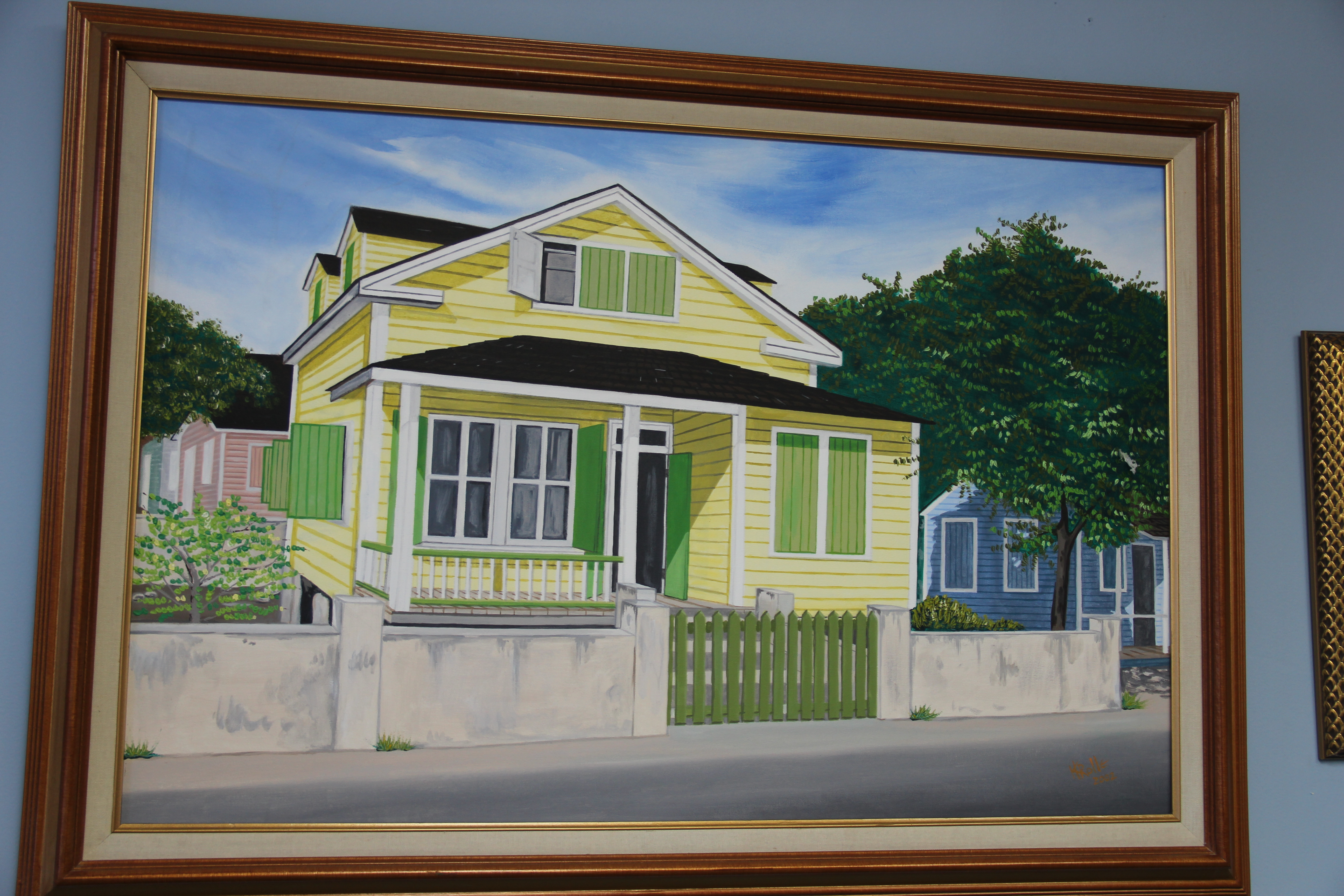
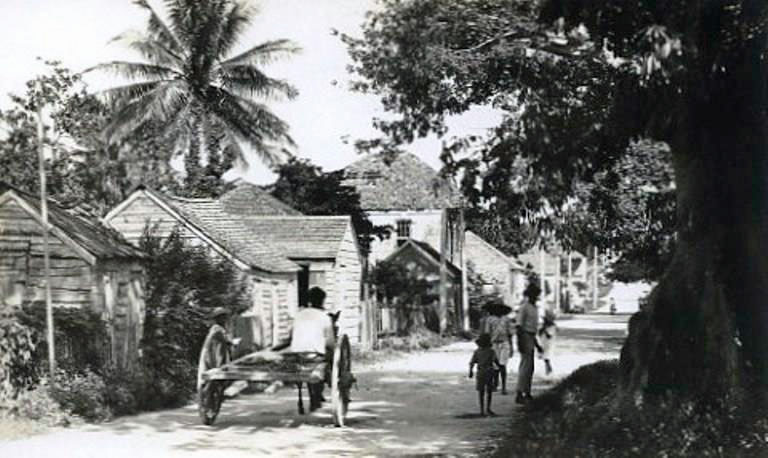
Generally speaking, a reference to “ova-da-hill”, as a means of identity, was a method of describing the background and social strata of those who lived south of the hill, between Nassau Street on the west, and Collins Wall on the east. Within those boundaries were contained the huddled bulk of the black community of the Island. The area was densely crowded, both with its residents as well as their petty shops, barber shops, cafes, bar rooms, tailors and dressmakers, hairdressers and road-side fruit stands. All the houses were small wooden dwellings, seldom more than two bedrooms, plus a dining room and a “front room” or “parlour”, but there was always also a porch on the front, which was the family’s communal area every evening after work or school.
 The elders of the homes socialized on the front porch with their neighbours from next door or from “through the corner”, while the youngsters did their home-work assignments from school, or played games of hop-scotch, marbles, rolling hoops, flying kites, spinning tops, telling ole’ stories, and ring-play, until time for bed. The houses were erected on small lots for the most part, sometimes two houses to a lot; each site was never more than 30’ or 40’ wide by 50’ deep, with its own small out-door toilet in the backyard. On the side of each house were a clothes line, and a sunken well, that provided all the family’s water needs for drinking, cleaning and washing. In whatever yard space that was left, a small garden always existed with the usual patch of vegetables, some flowers, and two or three fruit trees. The entire area was remarkable for its fertile soil, and one could always find a supply of locally grown guineps, ju-ju (jujubes), dillies (sapodillas), tamarinds, guavas, mammies, hog plums and scarlet plums, star apples, mangoes, citrus, almonds, coconuts, gooseberries, sea grapes, sugar apples, sour-sops, and banana.
“Ova-da-hill” was also a wonderful source of typical Bahamian food. Many of the regular dishes indigenous to the “ova-da-hill” district were really native dishes perpetuated by home-makers from their African forebears. Many of those dishes are hardly seen today, but as a boy I regularly feasted on Foo-Foo, okra soup, accara, coconut jimmy, crab and dough, guava duff, pig’s feet or sheep-belly souse, yellow corn meal, aggidi, stew fish, and scorch’ conch. Not many of our residents could afford to eat in the few native restaurants that then existed, but for the “more affluent” waiters, truck drivers, mechanics, artisans and government workers who earned steady salaries, the small but legendary restaurant, such as that operated only on weekends by Mrs. Effie Cambridge, at the corner of Baillou Hill Road and Cambridge Lane, was renowned for its outstanding delicacies in native dishes.
“Ova-da-hill” was not an economically vibrant neighbourhood during my youth, but those residents who were not permanently employed “out town”, or were not tradesmen or mechanics, were usually innovative in making a living as street-side or itinerant vendors. Fish vendors purchased their supplies from the main fish market on Bay Street, or from nearby sloops moored west of the Prince George dock. They packed them in wheel barrows which they carted “ova-da-hill” from street to street, heralding their arrival by shouting “Fish man! Fish man!” as they walked along pushing their supply of fresh fish and conch for sale. In the same way, some enterprising women would walk through the district carrying large trays of vegetables on their heads, making daily sales to house-owners who had not gone out to the market. Others carried on their heads huge bundles of dried grass, tied in a bed sheet, as they moved through the neighbourhood shouting “Bed grass! Bed grass!”, which was regularly purchased by persons who could not afford regular mattresses and utilized this native material to make home-made mattresses for their beds.
The entrepreneurial spirit was even prevalent amongst the youth. Newspaper deliveries to subscribers, as well as street sites were handled by teenage boys who went through the streets of the area every evening delivering newspapers to their customers, or making sales. Young boys also earned a livelihood by selling hot peanuts from box-carts, which they made from small wooden crates mounted on wheels, with a burning coal stove in the bottom compartment to keep the peanuts warm.
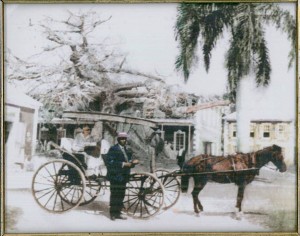
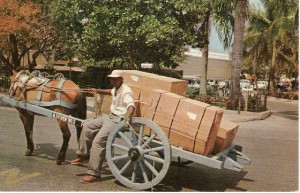
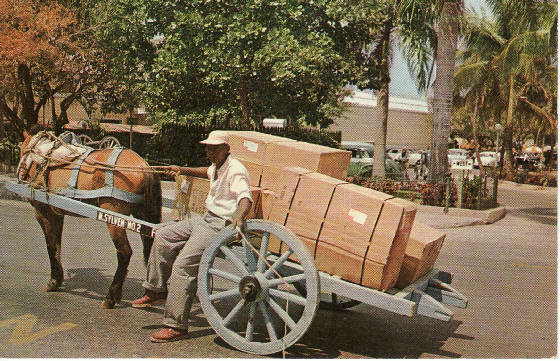
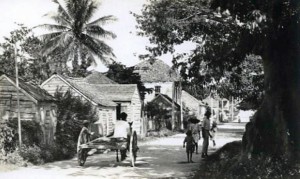 Of course, the regular means of transport were horse drawn carriages (now only a tourist attraction), horse-drawn drays and donkey-carts for transporting wholesale freight and large supplies being delivered to retail establishments “ova-da-hill”. Individuals either rode bicycles or walked wherever they had to go. There were comparatively very few motor cars; but of course in those days the usual destinations were all within walking distance.
In those early years Religion was a dominant feature of life. The majority of the early settlers were Anglicans, Methodists, Roman Catholics, Baptists and Church of God. Prior to the 1940s, there were only one or two Churches of each such denomination. St. Agnes and later St. Barnabas were the Anglican Churches which served Grant’s Town and Bain Town. Grant’s Town Wesley was the only Methodist Church “ova-da-hill”, while Our Lady’s and St. Joseph were the Church homes for those Roman Catholics who did not wish to make the trek up the hill to St. Francis on Delancey Town.
The Baptist Churches were “Metropolitan” on Hay Street, “Transfiguration” at Market and Vesey Streets, and “St. Paul” through Bias Street, although many Baptists went up on Delancy Town to Bethel, and to St. John’s on Meeting Street. The first Church of God was established by the late Bishop W.V. Eneas, father of the late Dr. Cleveland W. Eneas. This congregation first worshipped on a site in Hospital Lane south, then moved to Eneas Jumper Corner, until they relocated the present Cathedral at the junction of East Street and Lily of the Valley (Red Lion Bar) Corner.
Apart from the Churches, which have certainly multiplied in abundance over the last 50 years, the social life of the “ova-da-hill” community was fully supplied by the lodges, friendly societies, nightclubs and sporting organizations. The more entertaining form of after-work activity was provided by the nightclubs which were legendary. Strangely, none of them now exist. There was Weary Willie’s at the corner of Baillou Hill Road and Bias Street, which was a three-storey structure with a restaurant and shops on the ground floor, hotel rooms on the second floor, and a nightclub on the top floor. The Silver Slipper on East Street, the Zanzibar on Baillou Hill Road, and the Cat’n Fiddle on Nassau Street South, operated almost on a nightly basis, both as dance halls and nightclubs, and also as fund-raising venues for charities and social organizations which did not have access, as they do today, to the hotels and white establishments to which black and coloured patrons were at that time racially barred.
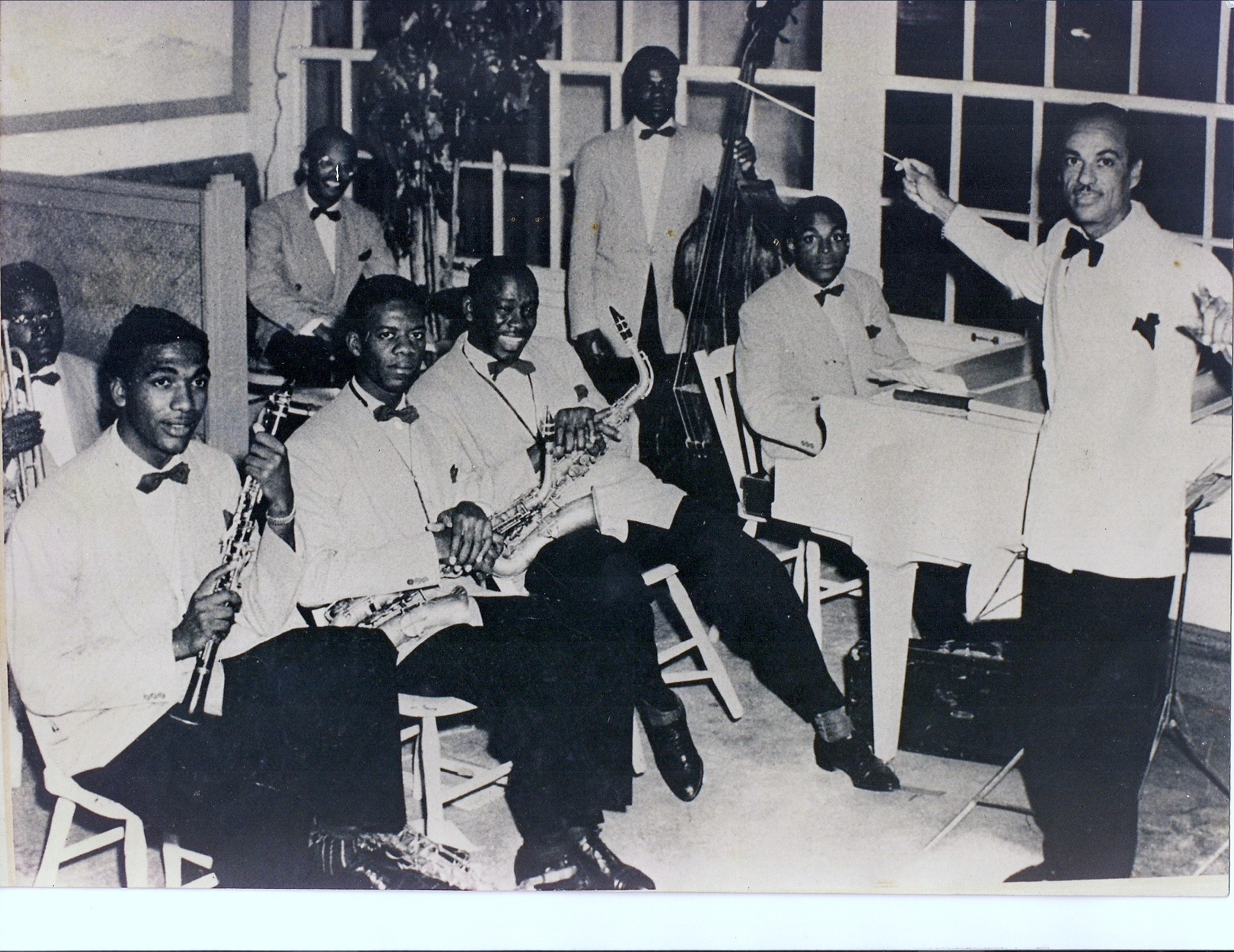
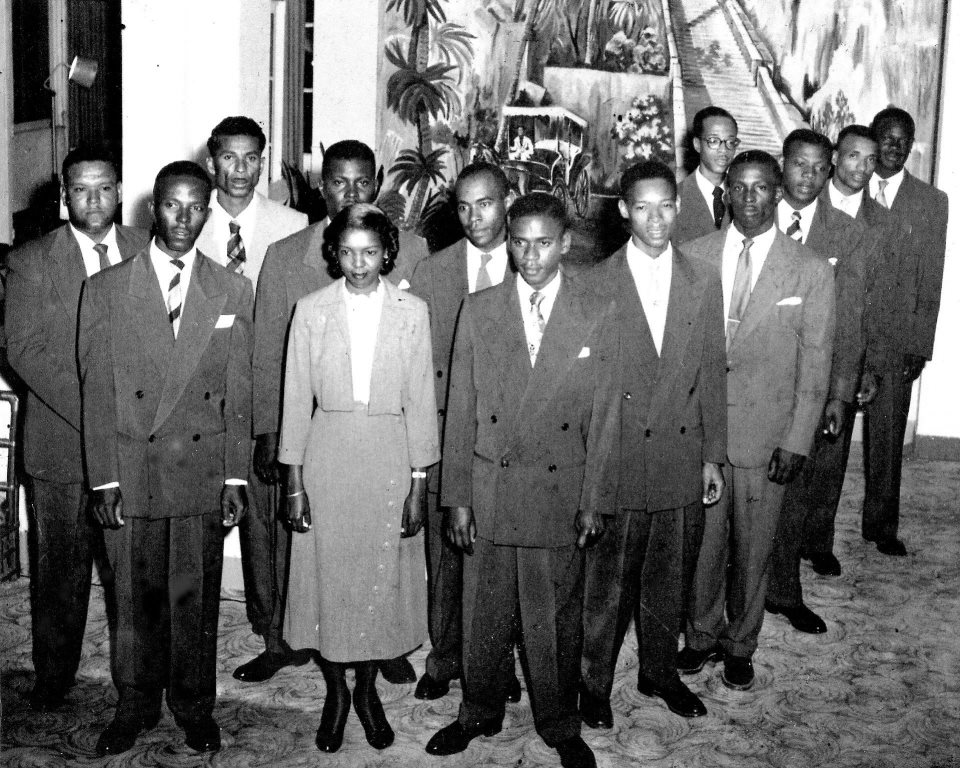
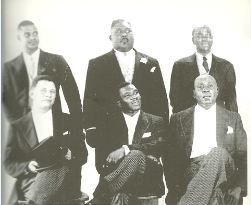
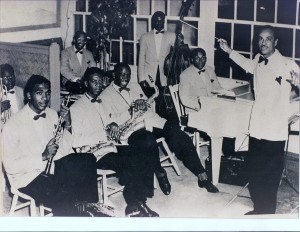 Music was a predominant feature of the day-to-day life “ova-da-hill”. Practically every child went to “music lessons” in addition to the regular day school attendance, to study music and to learn to play the piano, violin, saxophone or some other instrument. The teachers were usually a Church organist, member of a band or orchestra, or some other accomplished musician in the district. And there were many. Names that immediately come to mind are Charles Weir, Bert Cambridge, W.A.G. Bain, Blanche Horton Stuart (later Wright), Charles Carey, Nat Bosfield, “Bulla” Roberts (who was also the father of Persis Rodgers), Rudy Williams (pictured at right with his band), Freddie Munnings, Sr. (clarinet player at left in picture), Eric Cash, Maurice Harvey, Eric Russell and “Sir Buck” Marshall. There were also many musical performers in the entertainment field, such as Sidney Wood, Eloise Lewis, Joe Lord, Maureen Duvalier, Charlie Adamson and “Joe Billy” Rolle, who was renowned for his Saturday night “jumpin’ dance” sessions in the Cat Island Association Hall through King Street.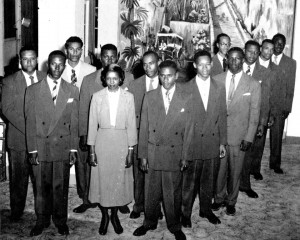
Another form of entertainment was provided by the neighbourhood movie houses. The Palace Theatre was in existence from my earliest recollection. It was situated in Grant’s Town at the foot of the hill opposite the Southern Recreation Grounds and was owned by Mr. Louis Duvalier who lived on Market Street. Years later, in the 1940s, the Cinema Theatre was established at the corner of East and Lewis Streets; and in the 1950s Mr. Percy Pinder built and operated the Hill Side Theatre at the corner of East Street and Mason’s Addition. This was followed by the Capital Theatre which was built on Market Street opposite the Southern Recreation Grounds. None of these movie houses exist today.
Sport was a pervading outlet for the energies and interests of the young people of the community. Cricket was the national sport, with soccer and rugby the popular winter interests. Everyone either played cricket or was a knowledgeable enthusiast. Each district in the Island was represented by a senior team, all competing for an annual championship trophy. There was St. George’s for the Eastern District, St. Alban’s for the West, The Wanderers for the Police and St. Michael’s (later St. Agnes) for “Ova-da-hill”. In later years, there were additional teams like St. Bernard’s for the Catholic community, the Vikings, and the Westerns. Of course, today, the youngsters from “ova-da-hill” excel in all forms of current popular sport, including track and field, baseball, softball and basketball. They stand, symbolically and proudly, on the shoulders of many former “ova-da-hill” champions in all disciplines of Bahamian sport.
Importantly, however, were the many leaders in commerce, industry, education, government and the professions who came from humble beginnings “ova-da-hill” and, despite many obstacles of opportunity and financial means, went on to become the Bahamian legends of the present and past generations who were the prominent “ova-da-hill” merchants of yesteryear.
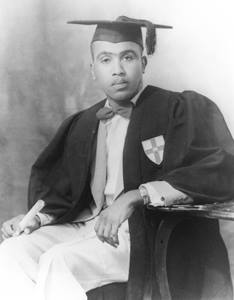
Many of today’s lawyers, doctors, dentists and other professionals have their roots “ova-da-hill”, but they were rare specimens 50 years ago. Dr. C. R. Walker was probably the first, followed by Dr. Cleveland W. Eneas from Bain Town. I was acclaimed as the first lawyer from “ova-da-hill” when I was called to the Bar 56 years ago. In fact, the late Justice Maxwell J. Thompson, although born in Inagua, grew up in Mason’s Addition and could certainly claim to have been an “ova-da-hill” boy when he was called to the Bar seven years earlier in 1946. Serving the entire area was a single Police Station, and fire engine, which provided the police and emergency needs of the “ova-da-hill” community in the early days. The first Southern Police Station was in fact destroyed during the infamous Burma Road Riot of 1942. It was then located on the western side of Baillou Hill Road, at its junction with Bias Street, opposite which was the two-storey building at Vesey Street which housed the Post Office on the ground floor and the Grant’s Town Public Library on the upper floor. Here, many of us, as students, went to do our home-work under the helpful eye of Miss Lily Weir, the Librarian. It is interesting to note that her niece, Mrs. Lillian Weir Coakley, was later appointed a librarian after the library had been later relocated to its present site, nine years later in 1951, when the present Southern Public Library was erected on the Southern Recreation Grounds after much parliamentary and governmental difficulty sustained by its promoters, Dr. C. R. Walker and Mr. Bert A. Cambridge, the MPs for the District.
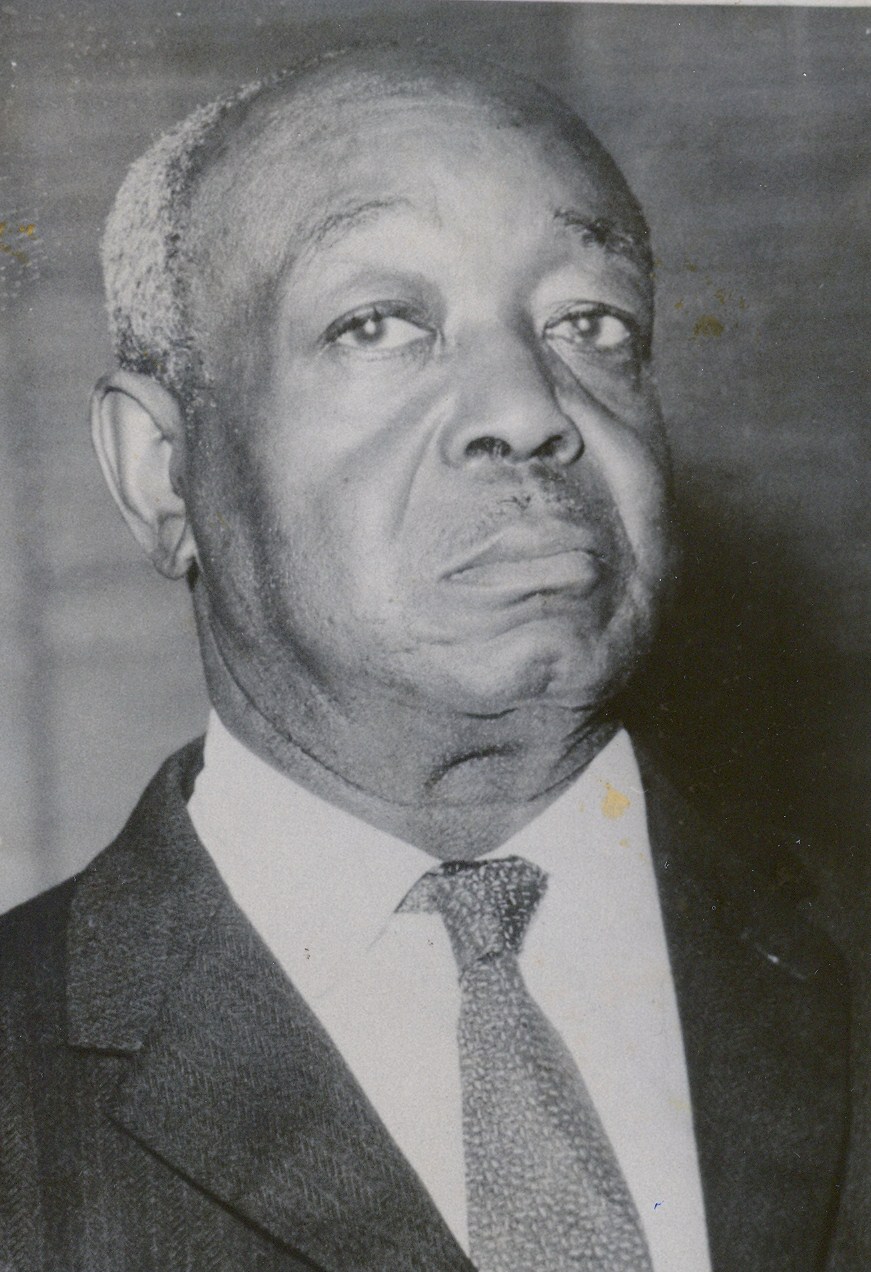
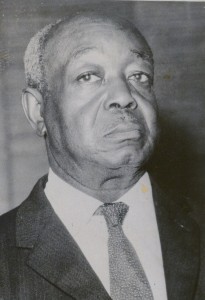 In those early days the community leaders were the few professionals and the more successful merchants, teachers and artisans who stood out and were relied upon for guidance in all the public and civic occasions. They were also the officers in the Churches, in lodges, burial societies and the fledging credit unions, some of which were not more than Asues. The late Dr. C. R. Walker was the only medical doctor who set up his office over-the-hill. He had first established a consulting office on the hill-top, on Meeting Street opposite Bethel Baptist Church; but he later built the Reinhardt Hotel at the corner of Baillou Hill Road and the Tin Shop Corner, and moved his office and a small pharmacy on the ground floor of this building, which he himself designed and constructed. He also published a weekly newspaper, “The Voice”, from this building. Immediately to the South of the Reinhardt Hotel was the Grant’s Town Market, which was an adjunct to the main fish and vegetable market on Bay Street. The Bay Street Market was a venerable old Spanish-type building on the North side of Bay Street, opposite the Northern end of Market Street, bounded on its western side by the Government Ice House which daily manufactured ice for the entire Island in those days, prior to the advent of refrigerators in homes. On the Southern side of the Grant’s Town Market there was a small area to which ice was delivered daily from the factory “ice house” on Bay Street, and “ova-da-hill” residents could purchase their daily ice requirements from their own ice depot each morning. A corn mill was also located in this Grant’s Town Market, where residents took the corn grown in their own fields “over Blue Hill”, or in their own backyards, to be ground into grits or meal for their personal home use.
And so life went on. Over the past generation, most of the old families from “ova-da-hill” have expanded in numbers, in affluence, and in importance in the Country. They have become some of the Country’s main “movers and shakers”. Grant’s Town and Bain Town which produced the achievers of yesteryear still provide homes for the under-class, mostly the present-day less privileged who have moved into the area from outlying Family Islands, and immigrants from Haiti and other Caribbean Islands. Meanwhile, as “ova-da-hill” expands, large commercial and industrial establishments continue to base themselves in this popular and historic sector.
This year, as we celebrate 36 years as an Independent Nation, those of us who hail from “ova-da-hill” must look back with pride to our roots and to this area from which we came.
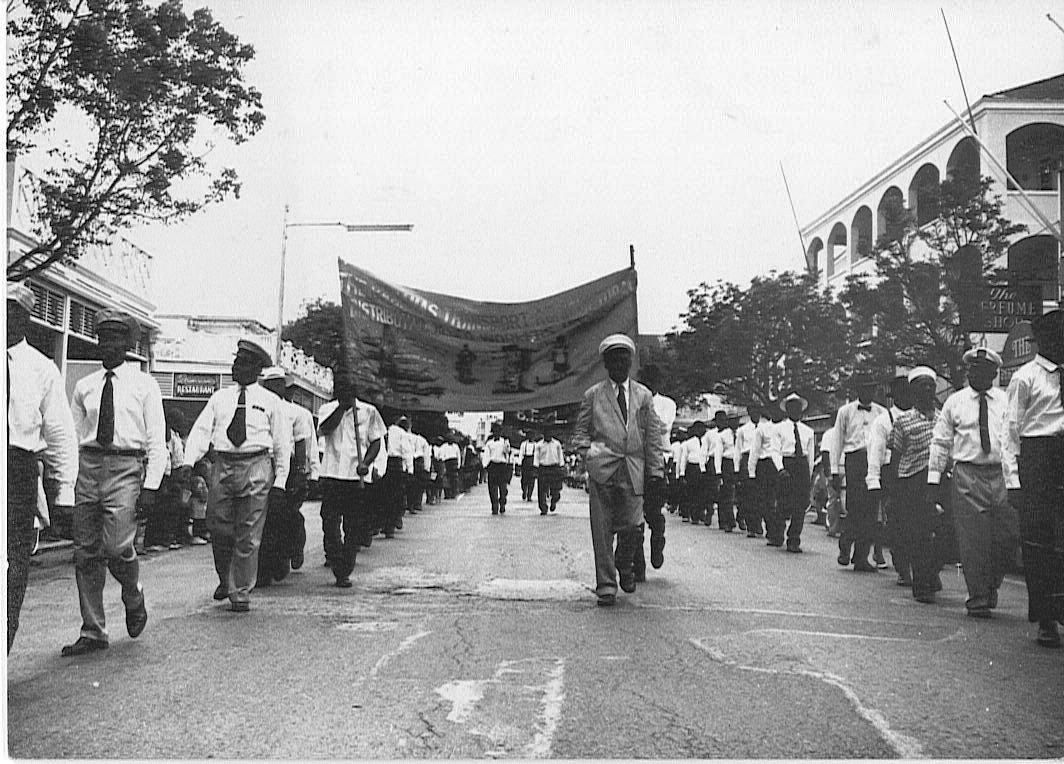
Old street scene photos courtesy of Bob Davies http://www.oldbahamas.com/
Rudy Williams orchestra courtesy of his daughter Carolyn Bartlett
Dr. C. R. Walker courtesy of his daughter Juliette Barnwell
February 2009
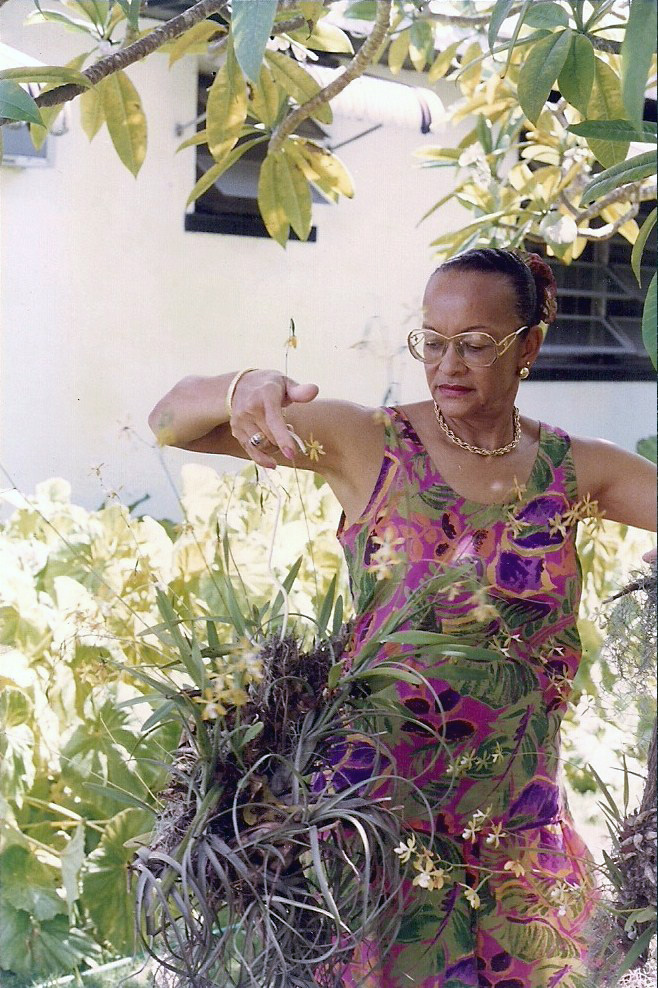
 I fell in love with plants at an early age. During the summer, my brother Stephen and I spent time in Aunt Clara’s garden watching and helping her with her plants. As a child, her garden became my favorite place.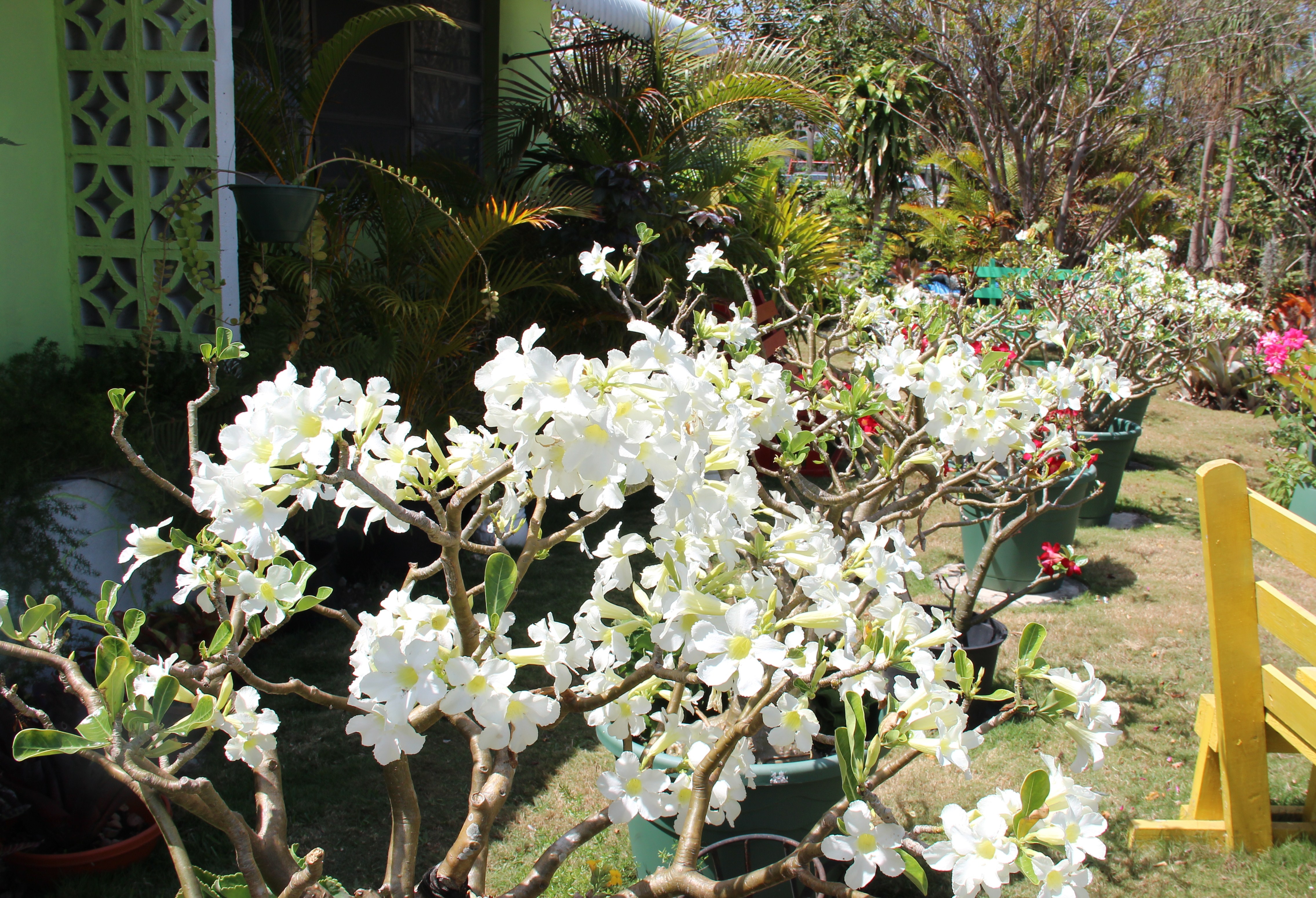
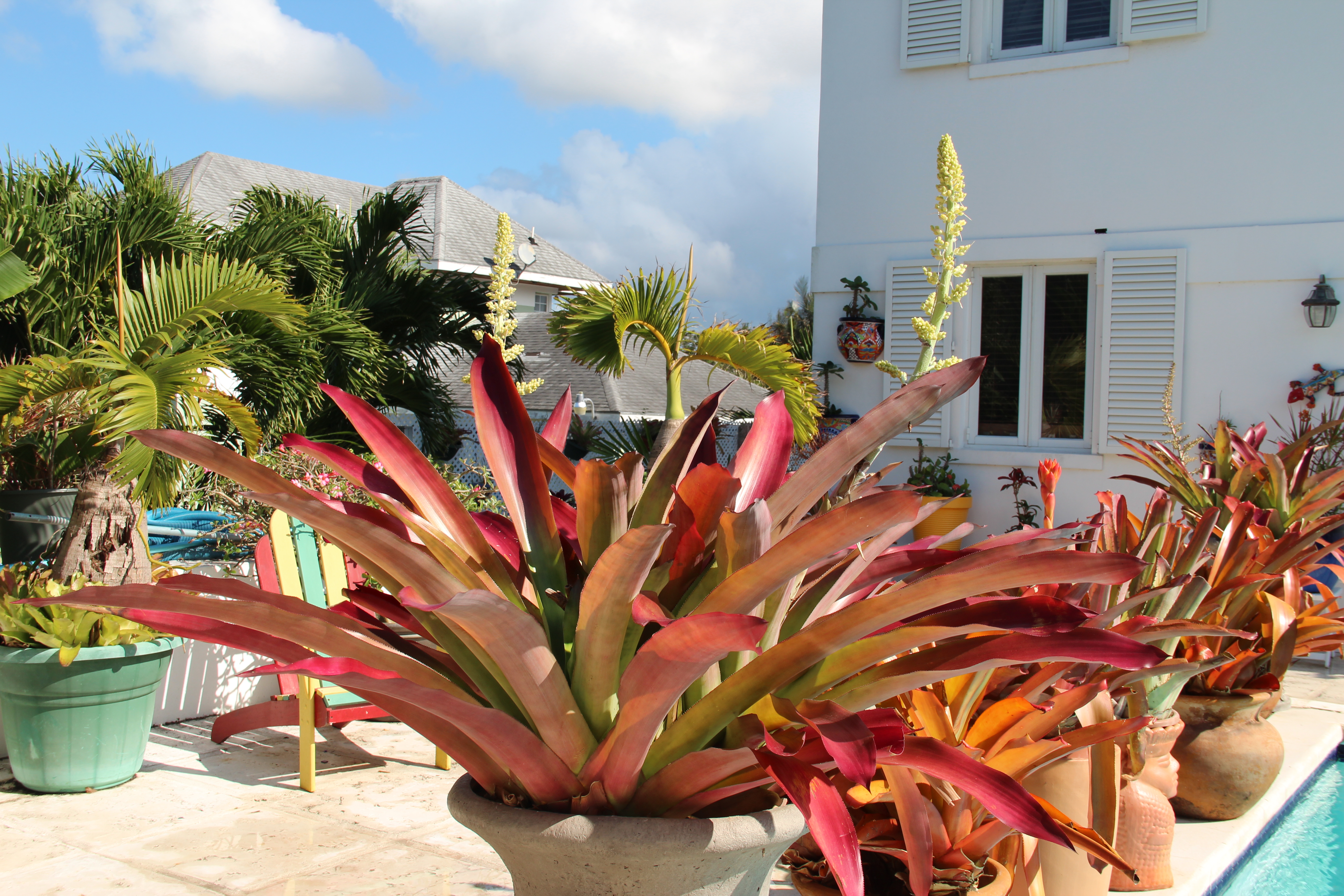
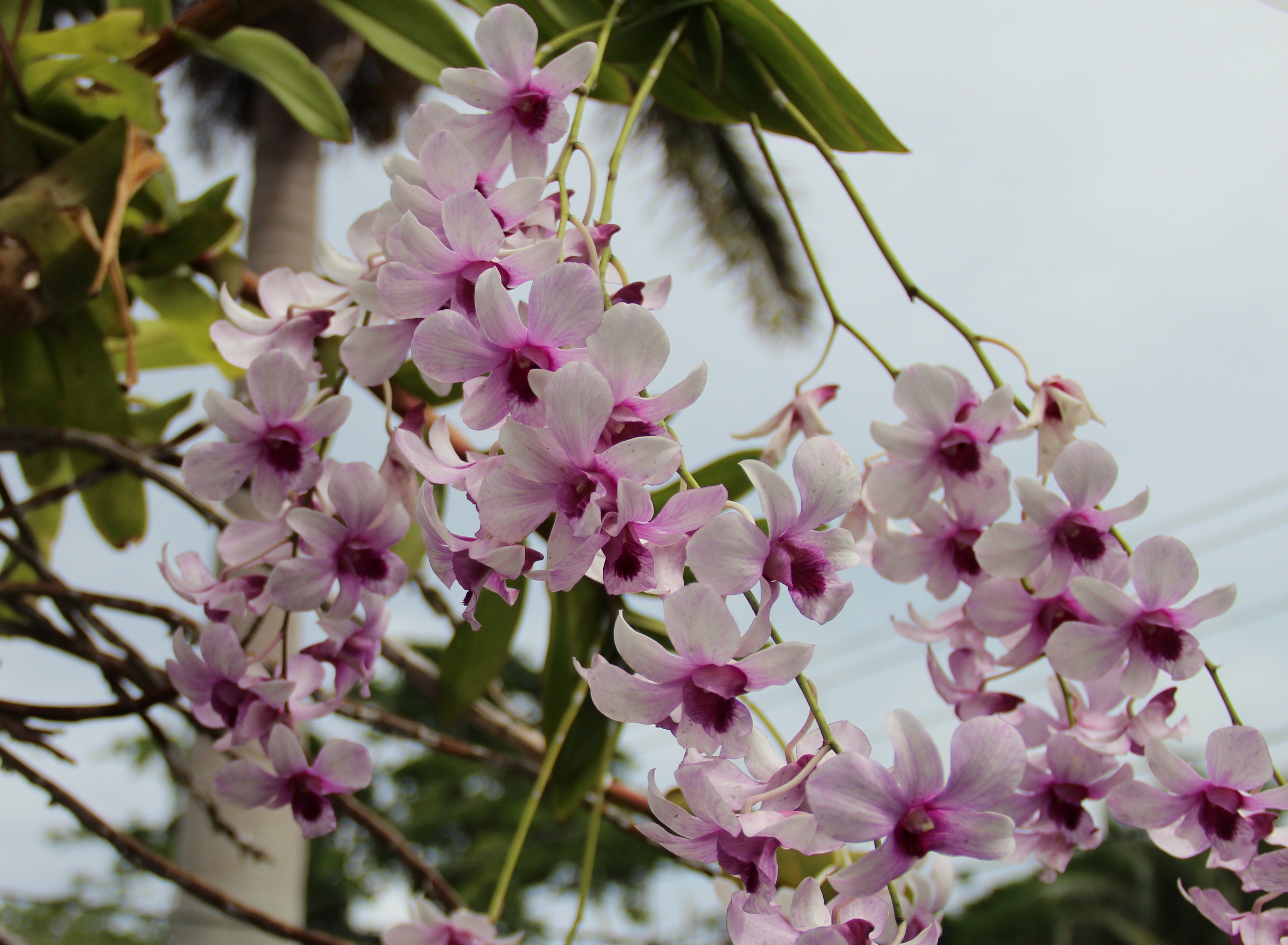 Then I met Sarah Bardelmeier, Founder of the Horticultural Society of The Bahamas; my garden began to bloom and, as the saying goes: “the rest was history”. I enjoy attending the monthly meetings at members’ gardens, where we exchange tips and also get expert advice from various speakers. Gardening is a joy to me and bromeliads are now my favourite plants.